
Traveling can be an enriching experience, but safety should always be a top priority. In today’s digital age, safety apps offer invaluable tools and resources to help travelers stay informed, prepared, and protected. Whether you’re venturing abroad or exploring domestically, leveraging the right technology can significantly enhance your travel safety. This article explores the top safety apps every traveler should download, covering features from real-time alerts and location sharing to emergency assistance and local information. We’ll delve into the essential functionalities to look for and highlight some of the most reliable and effective safety apps available.
From navigating unfamiliar territories to receiving critical safety alerts, these essential travel apps can provide peace of mind and empower you to handle unexpected situations. By incorporating these safety apps into your travel planning and execution, you can proactively mitigate risks and focus on enjoying your journey. Discover how these powerful tools can become your indispensable companions, ensuring a safer and more secure travel experience wherever your adventures may lead. Read on to explore the top safety apps and discover how they can contribute to a more confident and worry-free travel experience. Stay safe and stay informed with these essential travel companions.
Why Travel Safety Apps Matter
In today’s interconnected world, travel has become increasingly accessible. However, alongside the excitement of exploring new destinations comes the responsibility of prioritizing personal safety. Travel safety apps play a crucial role in mitigating potential risks and enhancing security for travelers. These apps provide a range of features, from real-time location sharing with family and friends to up-to-the-minute safety alerts and access to emergency services.
Safety apps empower travelers with information and tools to navigate unfamiliar environments confidently. They offer invaluable resources like local emergency contact details, embassy information, and crime statistics for specific areas. Many also include features that allow users to pre-load important travel documents, such as passport and visa copies, and provide a platform to report incidents or request assistance. This readily accessible information can prove vital in challenging situations.
By utilizing a travel safety app, individuals can proactively enhance their security consciousness and preparedness. From receiving alerts about potential dangers in their vicinity to having a quick way to contact local authorities, these apps provide a sense of security and allow travelers to focus on enjoying their journey. While they are not a substitute for common sense and situational awareness, they serve as an important tool in a comprehensive travel safety plan.
Emergency Alert Apps for Solo Travelers
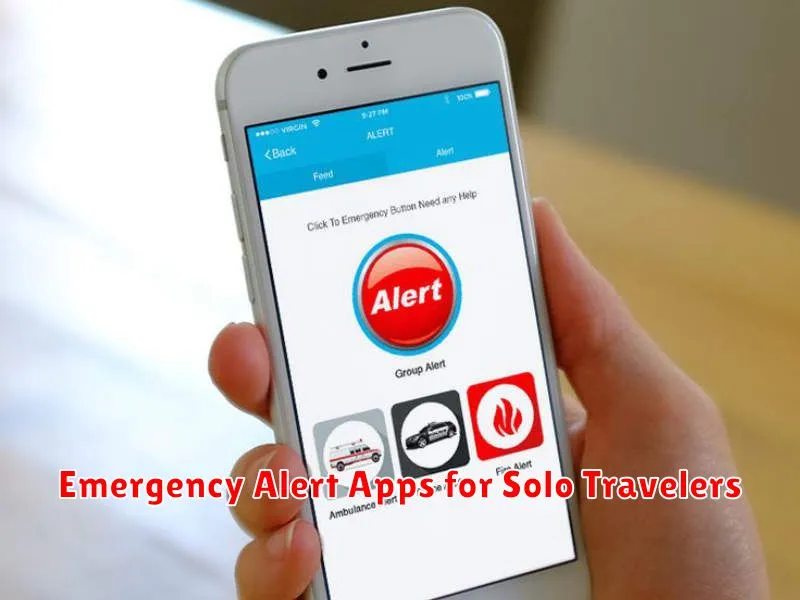
Traveling alone can be an enriching experience, but it’s crucial to prioritize safety. Emergency alert apps can provide an additional layer of security and peace of mind for solo adventurers. These apps offer various features, including real-time location sharing with designated contacts, SOS alerts in case of emergencies, and up-to-date safety information for your destination.
Choosing the right app depends on individual needs and travel plans. Some popular options include apps that specialize in offline functionality, crucial for remote areas with limited connectivity. Others provide check-in features, allowing users to periodically confirm their safety with contacts. It’s also important to consider apps that provide local emergency numbers and information specific to your destination.
Before embarking on your solo trip, thoroughly research available emergency alert apps and select one that best suits your requirements. Familiarize yourself with its features and ensure it functions correctly on your device. Inform trusted contacts that you will be using the app and how they can be alerted in case of an emergency. While these apps can enhance safety, remember that they are just one part of a comprehensive safety plan. Staying aware of your surroundings and practicing common sense safety measures are always essential.
Navigation and Offline Map Tools
Navigation and offline map tools are essential for travelers, especially in areas with limited or no internet connectivity. These tools provide location information, route planning capabilities, and points of interest (POIs) even when offline. Choosing the right tool depends on individual needs, such as the type of activity (hiking, driving, etc.), the desired level of detail, and device compatibility.
Several popular navigation and offline map apps are available. These apps typically allow users to download maps of specific regions for offline use. Features commonly include turn-by-turn navigation, searchable POIs, and the ability to record tracks. Some apps even offer specialized features like topographic maps for hikers or nautical charts for boaters. It’s important to download the necessary maps before venturing into areas without reliable internet access.
Beyond dedicated apps, some devices offer built-in offline map functionalities. For instance, certain smartwatches and GPS devices provide basic navigation and mapping features even without a connected smartphone. While perhaps less feature-rich than dedicated apps, these built-in options can be invaluable in emergencies or when traveling light. Users should familiarize themselves with their device’s offline capabilities and ensure maps are updated regularly.
Translation Apps That Save Time
In today’s interconnected world, quick and accurate translations are often essential. Translation apps offer a convenient solution for overcoming language barriers, whether for business communication, travel, or personal learning. These powerful tools leverage advanced technologies, such as machine learning and artificial intelligence, to provide instant translations in numerous languages.
Several factors contribute to the time-saving nature of these apps. Offline functionality allows users to translate text even without an internet connection, ideal for travelers in remote areas. Real-time translation features, such as camera translation and voice input, streamline communication and facilitate understanding in diverse settings. Furthermore, many apps offer document translation capabilities, eliminating the need for lengthy manual translation processes.
Selecting the right app depends on individual needs and preferences. Some popular choices include Google Translate, Microsoft Translator, and DeepL. Consider factors like the number of supported languages, accuracy of translations, and the availability of specialized features, like offline dictionaries or pronunciation guides, when choosing an app.
How to Find Hospitals and Embassies
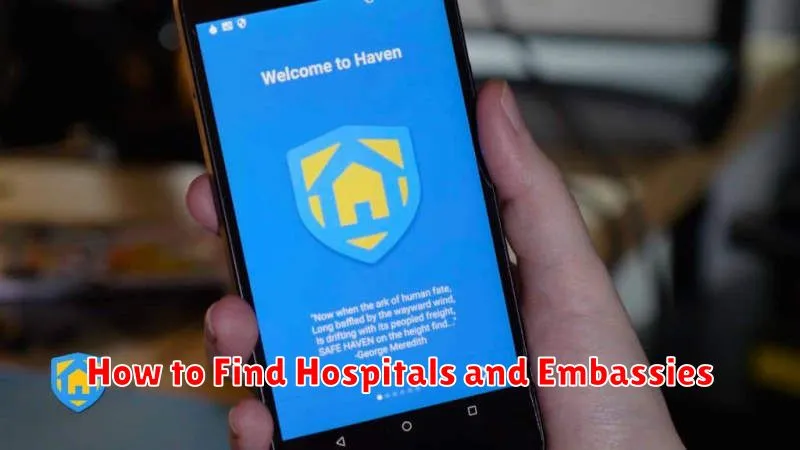
Locating nearby hospitals can often be achieved through several methods. Using online search engines like Google or Bing, simply search for “hospitals near me” or “hospitals in [city name]”. Most smartphones also have built-in map applications that identify nearby hospitals with a simple search or by browsing the map. In emergency situations, dialing the local emergency number (such as 911 in the US) will connect you with emergency services who can direct you to the nearest appropriate facility.
Finding embassies typically involves slightly different methods. The most reliable way is to visit the website of your country’s government; they usually have a directory of their embassies and consulates around the world. Online search engines are also useful; searching for “[your country] embassy in [city/country]” will usually yield the correct result. If you are already abroad, your hotel or local tourist information centers can often provide contact information for your embassy.
Remember to keep key contact information accessible, especially when traveling internationally. Storing these details in your phone or a physical document can be incredibly helpful in unexpected situations. This includes the phone number and address of your embassy and local emergency numbers.
Apps for Tracking and Sharing Location
Location tracking and sharing apps offer a variety of features, from real-time location updates for family and friends to location history logs for personal use. These apps can be helpful for safety, coordination, and peace of mind. Choosing the right app depends on your specific needs and priorities. Consider factors such as accuracy, battery usage, and privacy features when making your selection.
Several popular options are available for both Android and iOS devices. Some apps focus primarily on family tracking, allowing designated members to view each other’s locations on a private map. Others are designed for broader social sharing, enabling users to check in at locations and share their whereabouts with a wider network. Many apps also include features like geofencing, which sends alerts when a user enters or leaves a predefined area, and emergency SOS capabilities.
It’s crucial to remember that location sharing should always be consensual. Before tracking someone’s location, ensure they are aware and comfortable with it. Review the app’s privacy settings and ensure they align with your comfort level for sharing your own location data. Responsible usage of these apps can provide valuable benefits, but it’s important to prioritize privacy and respect.
What Features to Look for in a Safety App
A reliable safety app should offer a core set of features designed to protect you in emergencies. Real-time location sharing with trusted contacts is crucial, allowing friends and family to know where you are at all times. Emergency alerts that can be quickly activated to notify your emergency contacts and potentially even authorities are essential. A good app should also include a check-in feature, so you can proactively reassure your contacts that you’re safe at regular intervals.
Beyond basic safety features, consider apps that offer advanced options like duress codes. These codes can be entered if you’re forced to use the app under duress and will silently alert your contacts without the perpetrator’s knowledge. 24/7 monitoring provided by trained professionals adds another layer of security. While often a premium feature, professionals can dispatch help directly to your location, even if you’re unable to communicate.
Finally, user-friendliness and customizability are key. A cluttered or complicated interface can waste valuable time in an emergency. Look for an app that’s easy to navigate and allows you to customize your settings, including who is notified and what information is shared. A discreet activation method is also important, ensuring you can activate the app without drawing unwanted attention.
