
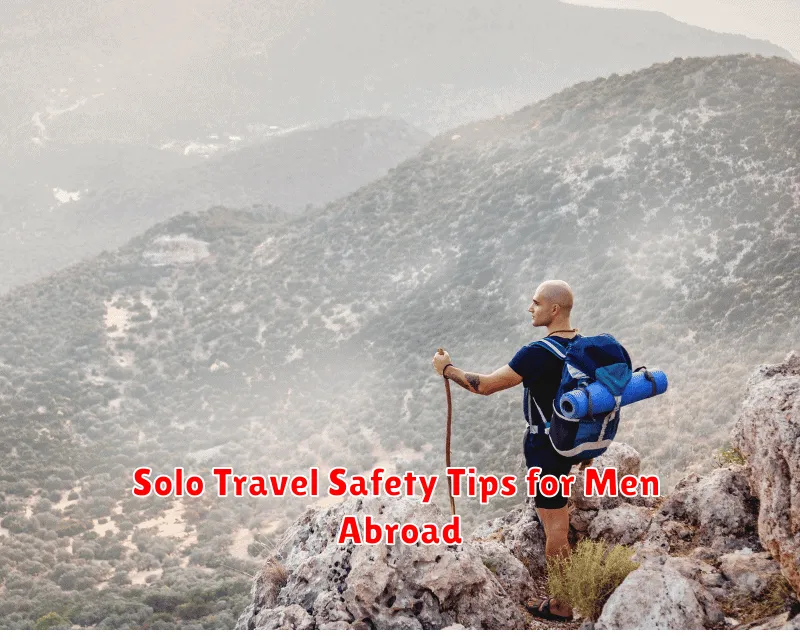
Embarking on a solo trip abroad as a man can be an incredibly rewarding experience, offering unparalleled opportunities for self-discovery, adventure, and cultural immersion. However, ensuring your safety while traveling alone is paramount. This article provides essential solo travel safety tips for men venturing abroad, covering everything from pre-trip planning and in-country awareness to mitigating potential risks and handling emergencies. Prioritizing your safety will empower you to fully embrace the freedom and excitement of solo travel while minimizing potential dangers.
From navigating unfamiliar cities and protecting your belongings to understanding local customs and staying healthy, these safety tips are designed to help you travel smart and confidently. Whether you’re a seasoned backpacker or a first-time solo traveler heading abroad, this guide will equip you with the knowledge and practical advice you need to stay safe and make the most of your solo adventure. Learn how to assess potential risks, handle unexpected situations, and ensure your well-being throughout your solo trip abroad.
Why Men Also Need Travel Safety
While discussions surrounding travel safety often focus on women, it’s crucial to acknowledge that men also face potential risks abroad. Theft, scams, and violent crime can target anyone, regardless of gender. Men may be more likely to engage in risky behaviors, such as exploring unfamiliar areas alone at night or accepting drinks from strangers, which can increase their vulnerability. Furthermore, men might be less likely to report incidents due to societal expectations or fear of being perceived as weak. Therefore, being aware of potential dangers and taking appropriate precautions is essential for all travelers.
Men can take proactive steps to enhance their safety while traveling. Being aware of your surroundings is paramount. Avoid displaying large amounts of cash or expensive jewelry, and be cautious of overly friendly strangers who may have ulterior motives. Researching your destination beforehand, including common scams and areas to avoid, can significantly reduce your risk. Staying in well-lit and reputable accommodations, informing someone of your itinerary, and learning basic self-defense techniques can also provide added security.
Just as women are advised to be vigilant, men should also prioritize their safety. Don’t let a false sense of security based on gender cloud your judgment. By being prepared and taking sensible precautions, men can minimize potential risks and enjoy a safe and fulfilling travel experience.
Researching Destinations Ahead of Time
Thorough research is crucial for a successful trip. Understanding your destination’s climate, local customs, and transportation options can greatly enhance your travel experience. Knowing the average temperatures and typical weather patterns will allow you to pack appropriately, ensuring comfort and preparedness for various conditions. Familiarizing yourself with local customs demonstrates respect and can prevent unintentional cultural misunderstandings. Researching transportation options, including public transit, car rentals, or ride-sharing services, will help you navigate efficiently and budget effectively.
In addition to practical considerations, research can also enrich your trip by uncovering hidden gems and unique experiences. Explore local blogs, travel guides, and online forums to discover off-the-beaten-path attractions, local festivals, or authentic restaurants. This pre-trip exploration can lead to more immersive and memorable experiences, allowing you to truly connect with the local culture and discover hidden treasures.
Prioritizing research also helps manage expectations and avoid potential disappointments. Reading reviews from other travelers can offer valuable insights into accommodations, attractions, or tour operators. Being aware of potential challenges, such as crowded tourist spots or limited accessibility, allows you to plan accordingly and make informed decisions. Ultimately, pre-trip research empowers you to maximize your travel experience and create a smoother, more enjoyable journey.
Avoiding Night Travel Alone
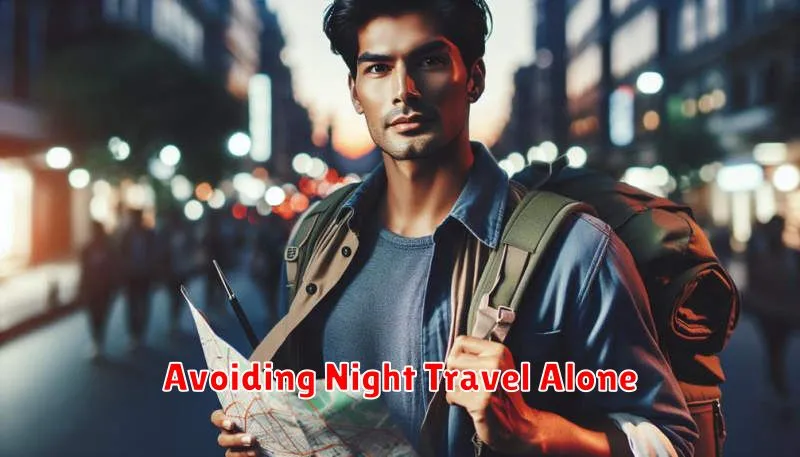
Traveling alone at night can present increased safety risks. It’s generally advisable to avoid solitary nighttime journeys, especially in unfamiliar areas or using less secure modes of transportation. If night travel is unavoidable, prioritize well-lit and populated areas. Share your travel plans with someone you trust, including your route and estimated arrival time. Stay aware of your surroundings and avoid distractions like headphones or excessive phone use.
Pre-planning is essential for safe night travel. Research your route thoroughly, identifying potential hazards and safe havens like 24-hour convenience stores or police stations. Consider using ride-sharing services or pre-booked taxis instead of public transportation where possible. Ensure your phone is fully charged and consider carrying a portable charger. If driving, make sure your vehicle is in good working order and keep your doors locked. Carry only essential belongings and keep valuables out of sight.
While traveling at night, maintain a confident and assertive demeanor. Make eye contact with people around you, but avoid engaging in unnecessary conversations with strangers. Trust your instincts – if a situation feels unsafe, remove yourself from it immediately. If you feel threatened, contact local authorities or seek help from a trusted individual. Prioritizing your safety and well-being is paramount when traveling alone at night.
Watching Out for Scams Targeting Solo Men
Solo men can be particularly vulnerable to certain types of scams, often exploiting feelings of loneliness or the desire for connection. Romance scams are a prime example, where scammers create fake profiles on dating apps or social media to build relationships and then manipulate their victims into sending money. These scams can be emotionally devastating and financially crippling. Investment scams also frequently target men, promising high returns with little risk. These can range from cryptocurrency schemes to fraudulent real estate deals. It’s crucial to be skeptical of any unsolicited investment opportunities, especially those promising guaranteed profits.
Protecting yourself involves a combination of awareness and caution. Thoroughly research any online romantic interests or investment opportunities before committing. Be wary of individuals who quickly profess strong feelings or pressure you for personal information or financial contributions. Never send money to someone you haven’t met in person, and be hesitant to share sensitive details like bank account numbers or social security information online. Trust your instincts – if something feels wrong, it probably is.
There are several resources available to help you stay informed about common scams. The Federal Trade Commission (FTC) website offers valuable information on identifying and reporting scams. Consulting with a trusted friend, family member, or financial advisor can also provide a helpful second opinion before making any significant financial decisions. Remember, staying vigilant and informed is the best defense against becoming a victim of a scam.
Safe Social Interactions with Locals
When traveling, interacting with locals can enrich your experience. However, prioritizing safety is crucial. Always be aware of your surroundings and avoid sharing personal information like your hotel or exact itinerary with strangers. Trust your instincts. If a situation feels uncomfortable, remove yourself from it. Stick to well-lit and populated areas, especially at night.
Research local customs and traditions beforehand to avoid unintentional offense. Be respectful of cultural differences in communication styles and dress. Learn basic phrases in the local language; even a simple greeting can go a long way in building rapport and showing respect. Be mindful of local scams and avoid engaging with overly aggressive vendors or individuals offering unsolicited services.
Consider using reputable local guides or joining organized tours for a safer way to interact with locals and learn about the area. These experiences often offer structured interactions and insights you might miss exploring independently. Remember to be responsible with your belongings and avoid displaying large amounts of cash or expensive jewelry. By taking these precautions, you can enhance your travel experience while prioritizing your safety.
Apps and Devices That Improve Safety
Several apps and devices can significantly enhance personal safety. Personal safety apps offer features like GPS tracking, emergency alerts, and check-in systems, allowing users to share their location with trusted contacts and quickly call for help if needed. Smart home security systems provide another layer of protection, utilizing sensors, cameras, and alarms to deter intruders and monitor activity both inside and outside the home. These systems can often be controlled remotely via smartphone apps, providing peace of mind even when away.
Beyond personal safety apps and home security systems, various other devices contribute to improved safety. GPS trackers can be attached to valuable items or even worn by individuals, enabling real-time location monitoring. Personal safety alarms emit a loud siren to deter attackers and attract attention in emergencies. Furthermore, some smartwatches include safety features such as fall detection and emergency SOS capabilities, making them particularly beneficial for elderly individuals or those living alone.
Choosing the right safety tools depends on individual needs and circumstances. Consider factors like lifestyle, location, and specific concerns when selecting apps and devices. By integrating these technologies into daily life, individuals can proactively enhance their safety and security.
Sharing Location with Trusted Contacts
Sharing your location with trusted contacts can provide an added layer of safety and peace of mind. By allowing select individuals access to your real-time location, they can check in on you, know your whereabouts in case of an emergency, or simply coordinate plans more effectively. Choosing trusted individuals is paramount, ensuring they are people you rely on and who respect your privacy.
There are various methods for sharing your location, from built-in features on your phone to dedicated apps. Many smartphones offer location sharing options within their messaging and mapping services. These often allow you to share your location for a specific duration or indefinitely. Consider the appropriate setting based on your individual needs and circumstances. Additionally, dedicated safety apps can provide features such as emergency alerts and check-in reminders.
While sharing your location can be beneficial, remember to review your settings periodically and adjust them as needed. You should also be aware of the privacy implications of sharing your location data. Be sure to only share with individuals you trust and understand the terms and conditions of the service you are using.
Trusting Your Instincts Abroad
Traveling to a new country can be an exciting, yet sometimes unsettling, experience. While embracing the unknown is part of the adventure, it’s crucial to listen to your inner voice. Intuition plays a vital role in navigating unfamiliar territories. If a situation feels off or unsafe, it probably is. Don’t dismiss that gut feeling. Remove yourself from the situation and seek help if necessary. Trusting your instincts can often be the difference between a smooth trip and a difficult one.
Developing your instincts involves staying aware of your surroundings. Observe local customs, pay attention to body language, and be mindful of who and what is around you. Preparation is key. Researching your destination beforehand, including common scams or safety concerns, can help you identify potential risks. While it’s important to be open to new experiences, maintaining a healthy level of caution will sharpen your instincts and allow you to react appropriately to unexpected situations.
Ultimately, trusting your instincts abroad is about prioritizing your safety and well-being. Don’t be afraid to ask for help, change your plans, or even leave a place if you feel uncomfortable. Your intuition is a powerful tool. Use it wisely and enjoy your travels with confidence.
