
Choosing the safest seats on a plane is a common concern for many travelers. While air travel is statistically very safe, understanding the factors that contribute to passenger safety in different seating locations can offer peace of mind and potentially improve your odds in the unlikely event of an incident. This article explores the nuances of airplane safety, dissecting the various claims and studies surrounding safe seating choices. Whether you’re a nervous flyer or simply curious, learning about safe airplane seats can empower you to make informed decisions about your next flight.
From analyzing crash data to understanding evacuation procedures, we’ll delve into the key factors that influence passenger safety on a plane. We’ll examine the arguments for and against specific seating locations, including aisle seats, window seats, and those near exits. By considering proximity to exits, crash forces, and fire safety, you can make a more informed choice about the safest seat on your next flight. Join us as we explore the science and statistics behind airplane safety and discover how to choose the safest seat for your peace of mind.
Is There Really a Safest Seat?
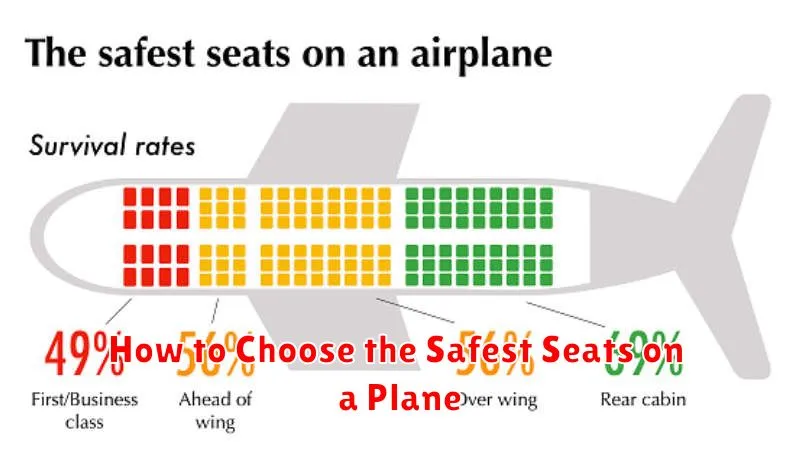
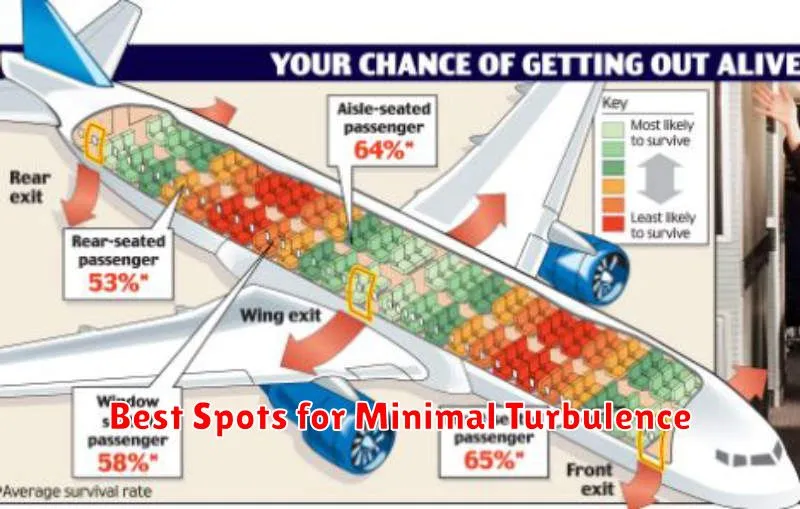
Determining the absolute “safest” seat on an airplane is difficult, as various factors influence survivability in a crash. While studies suggest that rear seats may offer a slightly higher survival rate, the complexity of crash scenarios makes definitive conclusions challenging. Location within the cabin, proximity to exits, and the specific nature of the impact all play crucial roles. Focusing on being prepared for any emergency is arguably more important than fixating on a specific seat.
Federal Aviation Administration (FAA) regulations ensure that all aircraft meet rigorous safety standards, regardless of seating location. These regulations focus on structural integrity, fire resistance, and evacuation procedures. While statistical analyses may indicate marginal benefits to certain seats, these differences are often small, and the overall safety record of air travel remains exceptionally high. Passengers should prioritize following safety instructions from crew members and familiarizing themselves with emergency procedures outlined in the safety information card.
Instead of searching for the “safest” seat, consider these practical tips for enhancing your personal safety:
- Choose a seat near an exit: This can facilitate quicker evacuation in an emergency.
- Pay attention to the safety briefing: Familiarize yourself with the location of exits and emergency procedures.
- Dress comfortably and practically: Wear sensible shoes and avoid flammable clothing.
- Secure your belongings under the seat in front of you: This helps keep escape routes clear.
Seat Location vs Emergency Exit
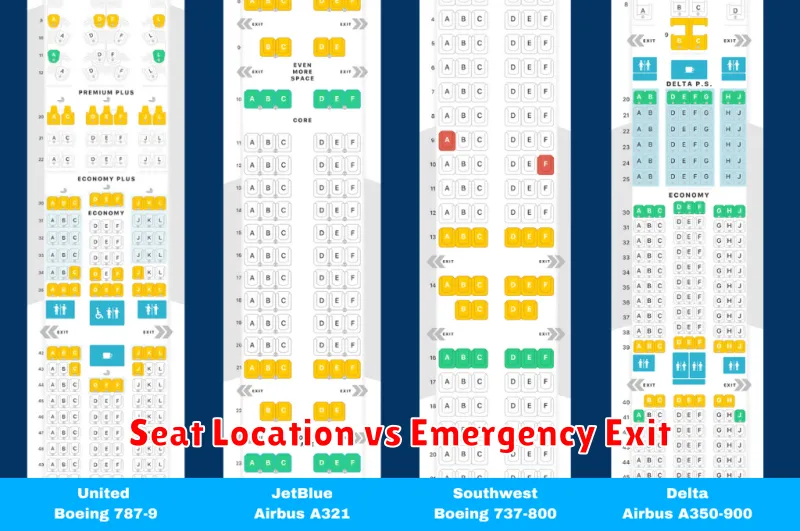
Seat location on an aircraft is a key factor influencing passenger experience. Factors such as legroom, proximity to lavatories and galleys, and window or aisle preference contribute to overall comfort. While personal preference dictates much of seat selection, proximity to emergency exits presents a unique set of considerations.
Seats located near emergency exits generally offer increased legroom, a significant advantage for taller passengers. However, these seats come with specific responsibilities. Passengers seated in these rows must be willing and able to assist in the event of an emergency evacuation. This may include opening the exit door, which can be heavy, and directing other passengers. Therefore, these seats are typically not assigned to children, the elderly, or passengers with disabilities.
Airlines often provide clear guidelines regarding eligibility for exit row seating. Passengers should carefully consider their physical capabilities and willingness to accept the associated responsibilities before selecting these seats. While the extra legroom can be appealing, the safety implications are paramount.
Statistics from Past Incidents
Analyzing statistics from past incidents provides crucial insights for improving safety and preventing future occurrences. By examining trends and patterns in incident data, organizations can identify key risk factors, understand the effectiveness of existing safety measures, and develop targeted interventions to mitigate risks. This data-driven approach is essential for creating safer environments and minimizing the likelihood of similar incidents happening again.
Incident statistics can encompass various metrics, including the frequency of incidents, the severity of injuries or damage, the location where incidents occur, and the time of day or day of the week when they are most prevalent. Additionally, analyzing the root causes of past incidents is essential for developing effective preventive strategies. This analysis might reveal contributing factors such as human error, equipment malfunction, inadequate training, or environmental hazards.
Ultimately, the goal of analyzing incident statistics is to proactively address safety concerns and create a culture of safety. By understanding past incidents, organizations can make informed decisions, implement effective safety protocols, and strive towards continuous improvement in safety performance.
How Airlines Plan Emergency Procedures
Airlines meticulously plan emergency procedures to ensure the safety of passengers and crew. These procedures cover a wide range of potential scenarios, from in-flight medical emergencies and turbulence to mechanical failures and emergency landings. The foundation of these plans lies in comprehensive risk assessments, identifying potential hazards and developing corresponding mitigation strategies. Regular training and drills are conducted to equip crew members with the skills and knowledge to effectively manage emergencies. These drills often involve simulated scenarios, allowing crew to practice their responses in a controlled environment. Close collaboration with regulatory bodies like the FAA ensures that procedures adhere to the highest safety standards.
Emergency procedures are designed to be clear, concise, and actionable. They provide step-by-step instructions for crew members to follow in each specific situation. For example, procedures for a medical emergency might include assessing the passenger’s condition, providing first aid, and communicating with medical professionals on the ground. Similarly, procedures for an emergency landing would address tasks such as securing the cabin, briefing passengers, and coordinating with ground crews. The effectiveness of these procedures hinges on the crew’s ability to remain calm, communicate effectively, and execute their duties under pressure.
Beyond in-flight procedures, airlines also have plans for managing emergencies on the ground. These plans account for situations such as evacuations, fires, and security threats. They outline responsibilities for various personnel, including ground crew, emergency responders, and airline representatives. Regular communication between the airline and external agencies is critical for successful emergency management. This coordinated approach ensures that all parties are prepared to respond effectively and minimize the impact of any incident.
Best Spots for Minimal Turbulence
Finding the smoothest ride on a plane often depends on several factors, including weather patterns, aircraft type, and the chosen flight path. Generally, seats over the wings are considered to offer the least amount of turbulence. This is because the wings provide lift and stability, absorbing much of the jostling from air currents. While no seat can entirely eliminate turbulence, this location tends to experience less movement than seats at the front or rear of the aircraft.
Choosing a flight time can also influence the level of turbulence encountered. Early morning flights are often preferred for smoother journeys. Cooler, calmer air tends to prevail during these hours, reducing the likelihood of encountering convective turbulence caused by rising heat. While this isn’t a guarantee, it’s a factor frequently cited for a more comfortable flight experience.
Lastly, considering the route can be beneficial. Flights over large bodies of water typically experience less turbulence than flights over land, especially mountainous terrain. This is due to the more uniform air temperature and fewer obstacles creating unpredictable air currents. If available, exploring flight path options with your airline might provide a smoother ride.
Safety Tips for In-Flight Emergencies
Prior to takeoff, pay close attention to the safety demonstration provided by the flight attendants. Familiarize yourself with the location of emergency exits, the use of oxygen masks, and the proper bracing position. Understanding these procedures beforehand can be crucial in a real emergency. Be aware of the nearest exit and count the rows to it, as visibility might be reduced in a smoky cabin. Secure your carry-on luggage properly to prevent it from becoming a hazard during turbulence or an emergency evacuation.
In the event of an emergency, remain calm and follow the instructions of the cabin crew. They are trained to handle these situations and will guide you through the necessary procedures. Do not panic, and avoid rushing towards exits. Listen carefully to announcements and cooperate with the crew members. If oxygen masks deploy, put on your own mask before assisting others.
After landing in an emergency situation, evacuate the aircraft quickly and efficiently. Leave your belongings behind and follow the illuminated pathway to safety. Once outside the aircraft, move away from the plane to a safe distance and await further instructions from emergency personnel.
Other Factors That Influence Safety
Beyond the obvious hazards, several less prominent factors can significantly impact safety. Environmental conditions such as extreme temperatures, poor lighting, and inclement weather can create dangerous working conditions. Additionally, inadequate training and a lack of clear safety protocols can lead to accidents and injuries. Fatigue and stress also play a crucial role, impairing judgment and reaction time.
The design and maintenance of equipment are also critical for maintaining a safe environment. Faulty equipment or poorly maintained machinery can malfunction, leading to serious incidents. Regular inspections and preventative maintenance are essential to mitigate these risks. Furthermore, the ergonomics of the work environment must be considered. Workstations that are not properly designed can lead to musculoskeletal disorders and other health problems.
Finally, the overall safety culture within an organization plays a vital role. A culture that prioritizes safety, encourages reporting of near misses, and actively addresses safety concerns is crucial. Open communication, employee involvement, and a commitment to continuous improvement are key components of a strong safety culture. This proactive approach helps to identify and mitigate potential hazards before they result in accidents.
