
Traveling abroad opens up a world of exciting experiences, but managing your finances securely is crucial. ATMs offer a convenient way to access local currency, but using them safely requires vigilance. This guide on how to safely use ATMs while traveling abroad will provide essential tips to protect your money and personal information, covering everything from choosing the right ATM to recognizing and avoiding common scams. Learning how to use ATMs abroad safely is paramount to a worry-free trip. Whether you’re a seasoned traveler or embarking on your first international adventure, understanding the potential risks and taking appropriate precautions is essential.
From identifying secure ATM locations to protecting your PIN, we’ll delve into the best practices for withdrawing cash abroad. We’ll also discuss pre-trip preparations you can make with your bank and credit card companies to ensure smooth transactions and minimize potential issues. Learn how to safely use ATMs while traveling abroad and gain peace of mind knowing your finances are secure. This comprehensive guide will equip you with the knowledge to confidently navigate ATM usage in foreign countries, allowing you to focus on enjoying your travels.
ATM Risks in Foreign Countries
Using ATMs abroad offers convenience, but also presents unique security risks. Skimming, where criminals attach devices to steal card information and PINs, is a significant concern. Additionally, transaction fees can be substantial, varying between banks and countries. Currency exchange rates offered at ATMs may not be favorable, potentially resulting in higher costs compared to exchanging currency elsewhere. Finally, ATM malfunctions can occur, potentially trapping your card or dispensing incorrect amounts. Being aware of these risks can help travelers take appropriate precautions.
To minimize these risks, choose ATMs located within reputable banks or secure locations, preferably indoors. Inspect the ATM for any suspicious devices before using it. Shield the keypad when entering your PIN to prevent observation by others or hidden cameras. Be mindful of your surroundings and avoid using ATMs in dimly lit or isolated areas, especially at night. Inform your bank of your travel dates and destinations to prevent transaction blocks due to suspected fraud.
Familiarize yourself with your bank’s policies regarding international ATM usage and fees. Consider using a credit card with no foreign transaction fees. Withdraw larger amounts less frequently to minimize cumulative fees, while still keeping cash secure. Retain all ATM receipts for record-keeping and reconciliation with your bank statements. If your card is lost or stolen, or if you suspect fraudulent activity, report it to your bank immediately.
Choosing a Secure ATM Location
When using an ATM, prioritizing your safety and security is paramount. Well-lit and highly visible locations are key. Opt for ATMs situated in busy areas, preferably those with security cameras and nearby businesses. Avoid ATMs in isolated or dimly lit areas, especially at night. A well-chosen location can significantly deter potential criminals.
Inspect the ATM before use. Look for any signs of tampering, such as loose or damaged parts, or anything that seems unusual. If the card reader or keypad feels loose or altered, it’s best to avoid that machine and report it to the bank. Protecting yourself from skimming devices and other fraudulent activities starts with careful observation.
While conducting your transaction, maintain awareness of your surroundings. Be mindful of individuals loitering nearby and shield your PIN entry from onlookers. After completing your transaction, promptly secure your cash and card, and leave the area. Increased vigilance will further minimize your risk of becoming a target.
Avoiding Skimming and Card Cloning
Skimming and card cloning are serious threats to your financial security. Skimming involves thieves using a device to steal your card information when you swipe it at an ATM or point-of-sale terminal. Cloning is the process of creating a duplicate card with your stolen information. These crimes can lead to unauthorized purchases and withdrawals, draining your accounts and damaging your credit. Protecting yourself requires vigilance and proactive measures.
Several steps can be taken to minimize your risk. When using an ATM or POS terminal, carefully inspect the card reader for any suspicious attachments or tampering. If anything looks unusual, do not use the machine and report it to the appropriate authorities. Shield the keypad when entering your PIN to prevent hidden cameras from recording your keystrokes. Regularly monitor your bank statements and credit reports for any unauthorized activity. If you notice any suspicious transactions, contact your bank immediately.
Choosing secure payment methods can also help protect you. Consider using contactless payment options like tap-to-pay or mobile wallets, which encrypt your card information. When shopping online, ensure the website is secure by looking for “https” in the address bar and a padlock icon. Be cautious about where you use your card and avoid using ATMs in dimly lit or isolated areas. By taking these precautions, you can significantly reduce your risk of becoming a victim of skimming and card cloning.
Tips for Using ATMs at Night
When using an ATM at night, prioritizing your safety is paramount. Be aware of your surroundings. Before approaching the machine, scan the area for anything suspicious. If you see anyone loitering or anything that makes you uncomfortable, choose a different ATM or return later. Avoid wearing headphones or being distracted by your phone, as this reduces your awareness of your surroundings. If possible, bring a friend or family member along for added security.
Once at the ATM, be prepared. Have your card ready to minimize the time spent at the machine. Shield the keypad as you enter your PIN to prevent anyone from observing it. After completing your transaction, immediately put your cash and card away. Count your money later in a safe location. Avoid lingering at the ATM after your transaction is complete.
If you feel threatened or notice anything suspicious while using an ATM at night, trust your instincts. Do not hesitate to cancel your transaction and leave immediately. If you are followed or confronted, seek a well-lit and populated area and contact the police. Remembering these simple precautions can significantly improve your safety when using ATMs at night.
How to Shield Your PIN
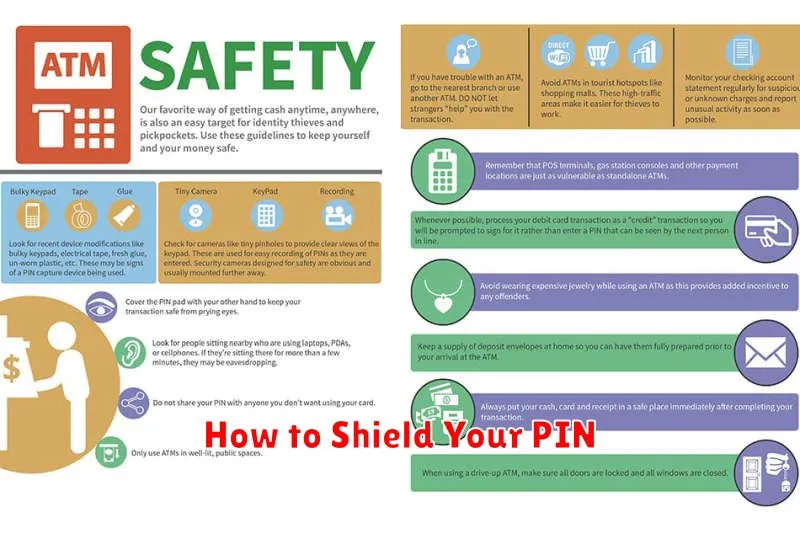
Protecting your PIN is crucial for securing your financial information. When using an ATM or making a purchase with a debit or credit card, always shield the keypad with your hand or body to prevent onlookers from observing your PIN entry. Be aware of your surroundings and avoid using ATMs in dimly lit or isolated areas. If anyone is standing too close or makes you feel uncomfortable, cancel the transaction and find a more secure location.
Be cautious of “shoulder surfers” who may try to steal your PIN or other sensitive information. These individuals may attempt to look over your shoulder or use hidden cameras to record your keystrokes. Never write down your PIN and keep it memorized. Avoid using easily guessed PINs such as birthdates or simple number sequences. If you suspect someone has learned your PIN, change it immediately through your bank or financial institution’s website or mobile app.
Consider using contactless payment methods like tap-to-pay or mobile wallets whenever possible, as these methods do not require PIN entry at the point of sale. Regularly monitor your account statements for any unauthorized transactions. If you notice anything suspicious, report it to your bank immediately.
Using Travel Debit Cards Safely
Travel debit cards offer a convenient way to access funds abroad, but it’s crucial to prioritize security. Before your trip, inform your bank of your travel dates and destinations to avoid having your card flagged for suspicious activity. Set up transaction alerts to receive notifications of every purchase, helping you quickly identify any unauthorized charges. Memorize your PIN and keep it separate from your card. Consider carrying a backup payment method, like a credit card or cash, in case your debit card is lost or stolen.
When using your travel debit card, exercise caution at ATMs. Opt for ATMs located within reputable banks or well-lit, secure areas. Be wary of anyone loitering nearby and shield the keypad when entering your PIN. Inspect the ATM for any signs of tampering before use. After completing your transaction, secure your card and cash immediately.
Upon returning from your trip, review your bank statements carefully and report any discrepancies immediately. Change your PIN as an added security measure. Keep your bank’s contact information readily available in case you need to report a lost or stolen card or encounter any issues while traveling.
What to Do If Your Card Is Captured
If your card is captured by an ATM or other machine, do not leave the machine. Immediately contact the financial institution that issued the card. Their phone number is typically located on the machine itself or on the back of your card. Report the incident and explain the situation. They will be able to advise you on the next steps and may be able to deactivate your card to prevent unauthorized use.
If you are unable to contact your bank immediately, observe the machine for any instructions. Some machines have specific procedures for retrieving captured cards. If there are no instructions or if you’re uncomfortable following them, remain at the machine until you can speak with your bank or a bank representative arrives. This helps to prevent someone else from accessing your card.
After contacting your bank, monitor your account statements closely for any unauthorized transactions. Even if you retrieve your card, it’s important to ensure no fraudulent activity has occurred. If you see anything suspicious, report it to your bank immediately.
