
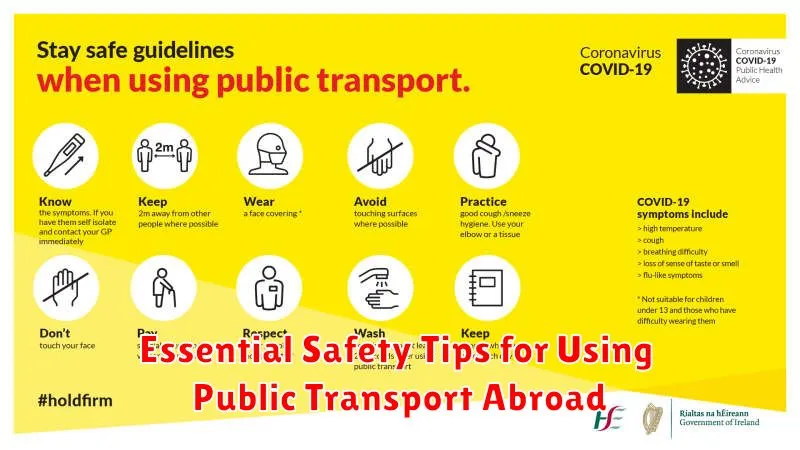
Traveling abroad opens up exciting opportunities for exploration and cultural immersion. Utilizing public transport is often the most efficient and affordable way to navigate a new city or country. However, prioritizing safety while using public transportation in an unfamiliar environment is paramount. This article provides essential safety tips for navigating public transport abroad, ensuring a smooth and secure travel experience. From understanding local customs to protecting your belongings, these guidelines will empower you to confidently embrace the adventure of public transportation while staying safe.
Whether you’re planning to hop on a bustling public bus, navigate an intricate metro system, or hail a taxi in a foreign land, understanding the nuances of public transport abroad is crucial for a safe and enjoyable journey. This article will delve into essential safety tips, covering everything from pre-trip planning and on-the-ground awareness to specific precautions for different modes of public transport. By following these safety guidelines, you can minimize risks and maximize your travel experience while using public transport abroad.
The Risks of Public Transport in Unfamiliar Places
Utilizing public transportation in unfamiliar locations presents certain safety and logistical challenges. Navigation can be difficult, especially with language barriers or unclear signage. This can lead to disorientation, missed connections, and inadvertently venturing into unsafe areas. Personal safety is another concern, as tourists are often seen as easy targets for pickpocketing or scams. Furthermore, varying levels of security and infrastructure reliability across different transport systems can expose travelers to delays, breakdowns, or even accidents.
Mitigating these risks involves careful planning and awareness. Researching routes and schedules before embarking on a journey is crucial. Offline maps and translation apps can prove invaluable in navigating unfamiliar territories. Maintaining situational awareness is also key – be aware of your surroundings, keep valuables secure, and avoid displaying large amounts of cash. Consider traveling during daylight hours when possible, and inform someone of your itinerary.
In addition to personal precautions, choosing reputable transport providers and seeking local advice can enhance safety. Opt for well-established companies with positive safety records. Consult hotel staff or local information centers for guidance on safe routes and transport options. By taking these precautions, travelers can significantly reduce the risks associated with public transport in unfamiliar environments.
How to Spot Legitimate Transport Services

Identifying legitimate transport services requires careful attention to several key factors. Licensing and registration are paramount. Verify that the company is properly licensed and registered with the relevant authorities. This information is often available online or can be requested directly from the company. Additionally, legitimate services typically have a visible physical address and established contact information, including a phone number and email address. A professional website with clear service details and pricing is another positive indicator.
Reviews and reputation play a crucial role in assessing legitimacy. Look for reviews on reputable platforms and pay attention to patterns and trends. A consistently high number of positive reviews is a good sign, while numerous negative reviews or reports of scams should raise red flags. Consider checking with your local consumer protection agency or Better Business Bureau for any complaints filed against the company. Furthermore, legitimate transport services usually employ background-checked drivers and maintain adequate insurance coverage, ensuring both safety and reliability.
Finally, be wary of unusually low prices or requests for upfront payment before services are rendered. Transparent pricing and secure payment methods are essential. Legitimate companies will provide a detailed quote outlining all costs involved and offer various payment options after the service is complete. Avoid services that solicit payment via unconventional methods or pressure you for immediate payment. By considering these factors, you can significantly reduce the risk of encountering fraudulent transport services.
Staying Alert in Crowded Buses and Trains
Personal safety is paramount when traveling on crowded public transportation. Maintain awareness of your surroundings at all times. Avoid distractions like headphones or excessive phone use, which can make you less aware of potential threats or suspicious activity. Keep your belongings close and secure, preferably in front of you where you can see them. Be mindful of who is around you, especially when entering or exiting the vehicle.
If you feel uncomfortable or threatened by someone, trust your instincts. Move to a different area of the bus or train if possible, closer to the driver or conductor. Don’t hesitate to alert the authorities or other passengers if you witness any suspicious behavior or become a victim of harassment. It’s also a good idea to familiarize yourself with the emergency exits and procedures before the journey begins.
Planning ahead can contribute significantly to a safer commute. Consider traveling during off-peak hours when fewer people are on board. If possible, let someone know your travel plans, including your route and estimated arrival time. Being prepared and aware of your surroundings are key factors in ensuring a safe and comfortable experience on crowded buses and trains.
Securing Your Belongings While in Transit
Traveling often requires us to carry valuable items, making security a top priority. Protecting your belongings begins with thoughtful packing. Use sturdy luggage with secure locks. Consider using TSA-approved locks for checked baggage to allow security personnel access without damaging your lock. Keep important documents, medications, and electronics in your carry-on bag. Label both your carry-on and checked bags clearly with your name and contact information.
While in transit, remain vigilant about your surroundings. Never leave your luggage unattended, especially in crowded areas like airports, train stations, or bus terminals. If you need to step away, even briefly, ask a trusted travel companion to watch your belongings. On public transportation, keep your bags within your sight and consider using a cable lock to secure them to a fixed object. Be wary of individuals who seem overly helpful or distracting.
Finally, consider additional security measures such as travel insurance to protect against lost or stolen luggage. Document valuable items with photographs and serial numbers before your trip. This documentation can be invaluable if you need to file a claim. By taking these precautions, you can significantly reduce the risk of theft or loss and enjoy a more secure and worry-free journey.
Cultural Norms on Public Transport
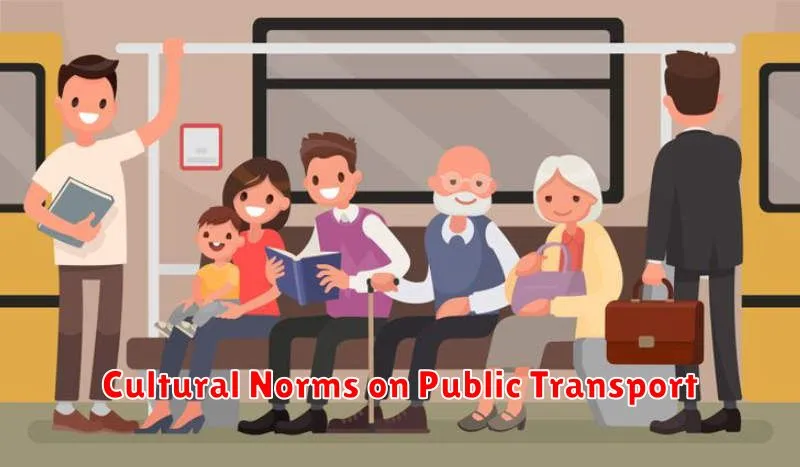
Courtesy and consideration are key when using public transportation. This includes offering seats to elderly passengers, pregnant women, and people with disabilities. Avoid loud conversations, music, or other noises that could disturb fellow passengers. Keep your belongings from blocking aisles or seats, and be mindful of personal space.
Cleanliness is also important. Dispose of your trash properly and avoid eating messy foods. Try to keep your surroundings clean and avoid leaving any trace of your presence. Be aware of hygiene practices, especially during cold and flu season.
Following the rules of the specific transit system you are using is essential. This may include purchasing a valid ticket, queuing in designated areas, and following instructions from transit personnel. Familiarize yourself with local regulations to ensure a smooth and respectful commute.
Apps to Navigate Safely
Staying safe while navigating unfamiliar areas is paramount. Thankfully, several apps offer features designed to enhance personal safety during travel. These apps offer a range of features, from real-time location sharing with trusted contacts to emergency alerts and safety check-ins. By using these apps, you can take proactive steps to protect yourself and provide peace of mind to loved ones.
Some apps specialize in personal safety, offering tools like duress signals and the ability to easily contact emergency services. Others integrate safety features within existing navigation platforms. When choosing an app, consider factors like GPS accuracy, offline functionality, and the availability of real-time support. Reading user reviews can also help you find an app that meets your specific needs.
Remember, while these apps can be valuable tools, they are not a replacement for common sense safety practices. Always be aware of your surroundings, share your itinerary with someone you trust, and avoid risky situations. Using a safety app can provide an added layer of security, but personal vigilance remains essential for safe navigation.
Emergency Procedures and Local Hotlines
In the event of an emergency, it’s crucial to remain calm and act swiftly. First, assess the situation and ensure your own safety. If possible, provide immediate assistance to anyone injured. Then, promptly dial the appropriate emergency hotline. For life-threatening situations such as fire, medical emergencies, or criminal activity, call 911. This number will connect you to dispatchers who can coordinate police, fire, and ambulance services.
For non-emergency situations that still require police assistance, contact your local police department’s non-emergency line. This number can typically be found on the department’s website or through directory assistance. Use this line to report incidents such as minor thefts, suspicious activity, or noise complaints. Remember, dialing 911 for non-emergencies can delay response times for true emergencies.
Familiarize yourself with other important local hotlines. These might include:
- Poison Control: For suspected poisoning incidents.
- Utilities: To report power outages or gas leaks.
- Animal Control: For stray or dangerous animals.
Knowing these numbers ahead of time can save valuable time in a crisis.
