
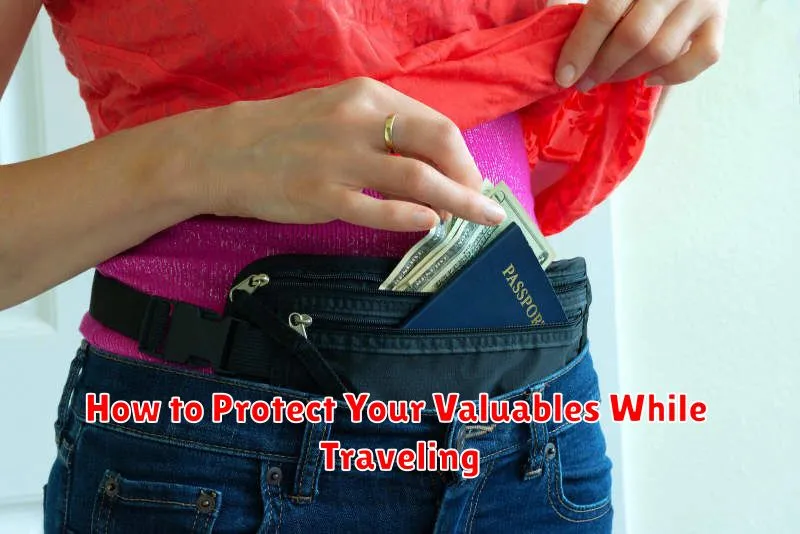
Traveling can be an enriching experience, but it’s crucial to prioritize the safety and security of your valuables. Losing essential items like passports, money, or electronics can quickly turn a dream vacation into a nightmare. This article provides comprehensive guidance on how to protect your valuables while traveling, offering practical tips and strategies to ensure peace of mind throughout your journey. Whether you’re embarking on a weekend getaway or a long-term adventure, safeguarding your belongings is paramount for a smooth and enjoyable travel experience.
From choosing the right travel gear to employing clever packing techniques, we’ll explore a range of methods to protect your valuables while traveling. Learn how to minimize the risk of theft and loss by utilizing secure storage options, staying vigilant in crowded areas, and utilizing technology to your advantage. By implementing these proactive measures, you can confidently explore the world, knowing that your valuables are well-protected, allowing you to focus on creating unforgettable memories.
Understanding Common Theft Risks Abroad
Traveling to a new country can be an enriching experience, but it’s crucial to be aware of potential theft risks. Pickpocketing is a common occurrence, especially in crowded tourist areas. Thieves often target individuals who appear distracted or are unfamiliar with their surroundings. Bag snatching is another prevalent tactic, where thieves quickly grab bags or purses from unsuspecting victims, often on motorcycles or scooters. It’s also important to be mindful of scams, which can range from fake petitions to staged distractions designed to steal your belongings.
Protecting yourself from theft requires vigilance and proactive measures. Secure your valuables by keeping them close to your body and using anti-theft bags or backpacks. Avoid displaying expensive jewelry or electronics, and be cautious of overly friendly strangers who may be attempting to distract you. When in crowded areas, maintain awareness of your surroundings and keep a firm grip on your belongings. Research common scams in your destination beforehand so you can recognize and avoid them.
If you do become a victim of theft, report the incident to the local police immediately. Keep copies of important documents, such as your passport and travel insurance information, separate from the originals. Contact your embassy or consulate if you require assistance with replacing stolen documents or obtaining emergency funds. While theft can be a disruptive experience, taking precautions and knowing how to react can minimize its impact on your travels.
Using Anti-Theft Backpacks and Gear
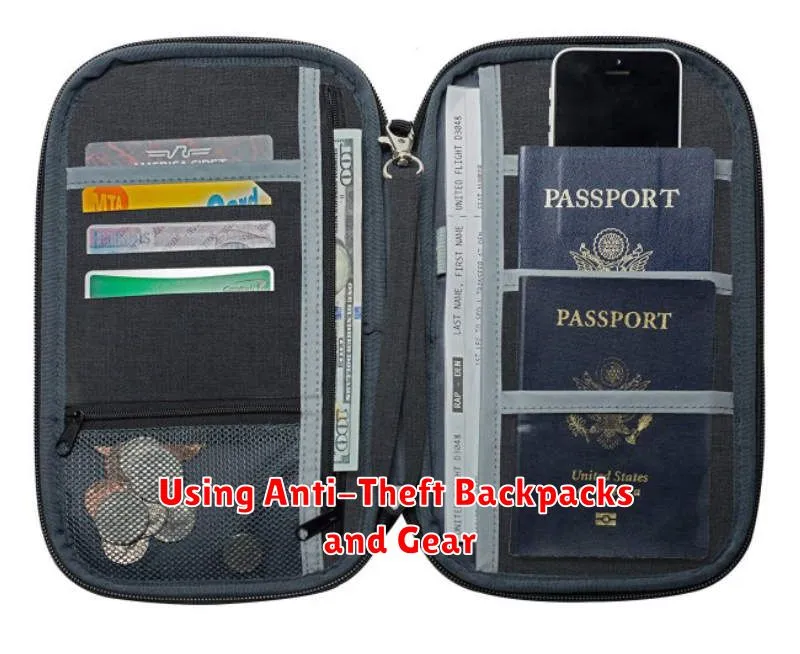
Anti-theft backpacks and gear offer increased security for your belongings while traveling or commuting. These products incorporate various design features to deter theft, such as lockable zippers, hidden pockets, slash-resistant materials, and RFID-blocking compartments. By using these features strategically, you can significantly reduce the risk of becoming a victim of pickpocketing or bag slashing. For example, securing zippers with the provided locks can prevent quick access to your valuables. Storing important items like your passport and wallet in hidden compartments makes them more difficult to locate. Slash-resistant materials and straps deter thieves from cutting open your bag. Finally, RFID-blocking compartments protect your credit cards and other sensitive information from electronic theft.
When using an anti-theft backpack, it’s crucial to maintain situational awareness. While these bags offer added protection, they are not entirely theft-proof. Avoid leaving your bag unattended in public places and be mindful of your surroundings, especially in crowded areas. Consider using the provided security features consistently, even when you feel relatively safe. Complacency can create opportunities for thieves. Additionally, familiarize yourself with the specific features of your backpack or gear. Understanding how each element contributes to its security will allow you to use it more effectively.
Choosing the right anti-theft backpack depends on your individual needs and travel style. Consider factors such as the size and capacity of the bag, the level of security features offered, and the overall comfort and design. A larger backpack may be necessary for longer trips, while a smaller, more discreet bag might be suitable for daily commutes. The specific security features you prioritize will also depend on your individual risk assessment. Carefully research and compare different products to find one that meets your specific requirements.
Hotel Room Safety Tips
Prioritize security when choosing a room. Opt for accommodations located on higher floors and avoid ground-level rooms, which are more susceptible to break-ins. When you arrive, inspect the locks on the door and windows to ensure they are functioning correctly. If you notice any issues, immediately report them to hotel management and request a different room or repairs. Familiarize yourself with the emergency exits and fire escape routes located on your floor.
Maintain privacy and security during your stay. Keep your door locked at all times, even when you’re inside the room. Use the deadbolt and chain lock for added protection. Be cautious about opening the door to strangers, and verify the identity of anyone claiming to be hotel staff before allowing them entry. When leaving your room, store valuable belongings in the hotel safe or consider carrying them with you. Draw the curtains or blinds to protect your privacy and deter potential thieves from observing your belongings.
Be prepared for emergencies. Keep your mobile phone charged and readily accessible in case you need to call for assistance. Familiarize yourself with the hotel’s emergency procedures, including the location of fire alarms and extinguishers. Take note of the hotel’s contact information and the local emergency services number. If you encounter any suspicious activity or feel unsafe, don’t hesitate to contact hotel security or the local authorities.
Avoiding Flashy Jewelry and Accessories
In many professional and formal settings, it’s advisable to avoid wearing overly flashy or ostentatious jewelry and accessories. Subtlety and understatement are generally preferred. Large, brightly colored, or excessively noisy jewelry can be distracting and may be perceived as unprofessional. This includes items like large statement necklaces, chandelier earrings, or heavily jeweled bracelets. Instead, opt for classic and understated pieces that complement your attire without overpowering it.
Consider the context of the situation when choosing accessories. A business meeting, for example, calls for a more conservative approach than a social gathering. While a small pendant necklace or simple stud earrings might be appropriate for a professional setting, large cocktail rings or multiple bangles might be more suitable for a less formal occasion. Relevance and appropriateness are key considerations when selecting accessories.
Men should also be mindful of their accessories. Avoid wearing large or ostentatious rings, bracelets, or necklaces in professional settings. A simple watch and, if appropriate, a tie clip or cufflinks are generally sufficient. Focus on quality and classic styles rather than flashy designs. The overall goal is to present a polished and professional image through simplicity and good taste.
Tips for Secure Money Storage
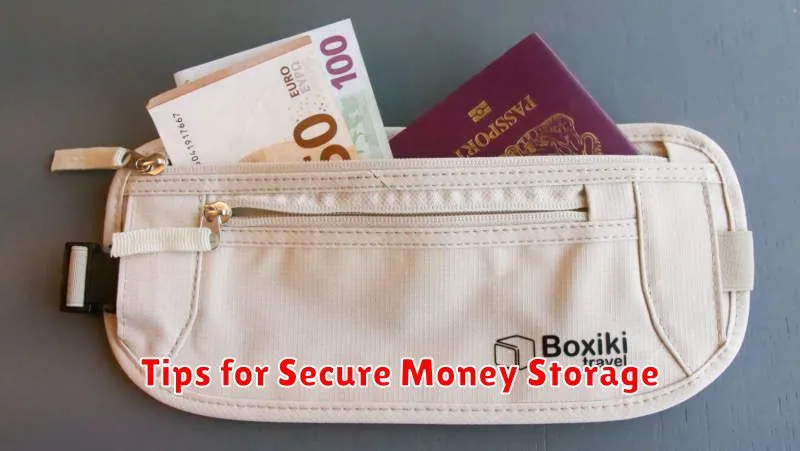
Protecting your finances requires careful consideration of where you keep your money. For everyday spending, a checking account at a reputable bank or credit union offers convenience and security, with FDIC insurance protecting your deposits up to $250,000. Avoid carrying large amounts of cash. For short-term savings goals, consider a high-yield savings account or a money market account, both easily accessible and offering better interest rates than a standard checking account.
For long-term savings and investments, explore options like certificates of deposit (CDs), which offer fixed interest rates for a specific period, or consider investing in stocks, bonds, or mutual funds through a brokerage account. These options may carry more risk but have the potential for higher returns over time. It’s crucial to research and understand the risks associated with each investment before committing your funds.
For safeguarding valuables and important documents like passports or birth certificates, a home safe or a safety deposit box at your bank provides added security against theft or damage. Remember to choose a fireproof and waterproof safe for optimal protection. Regularly review your financial strategy and adjust your storage methods as your needs and circumstances change.
How to Use Digital Safes and Locks
Digital safes and locks offer enhanced security and convenience over traditional key-based systems. To operate a digital safe, you’ll typically need to enter a pre-programmed code on a keypad. Ensure the code is memorized or stored securely in a separate, safe location. Some models may also offer biometric access, using fingerprints or other unique identifiers. After entering the correct code, the safe or lock will disengage, granting access. When closing, ensure the door or latch is properly secured before re-engaging the locking mechanism by entering the code again or using a designated close button. Regularly check the batteries to prevent lockouts, and familiarize yourself with any manual override options in case of electronic failure.
Programming a digital safe or lock varies slightly between models, but the general principles remain the same. You will first need to access the programming mode, usually by entering a specific code sequence or holding a particular button. The device will then prompt you to enter your desired new code. Choose a strong code that is difficult to guess but easy for you to remember. Avoid obvious combinations like birthdays or consecutive numbers. Confirm the new code by entering it a second time. Once programmed, test the new code several times to ensure it works correctly. Store any default codes or master codes provided by the manufacturer securely.
Maintaining your digital safe or lock involves a few key steps. Regularly change the access code to enhance security. Keep the keypad clean and free of debris to ensure accurate input. If the device is battery-powered, replace the batteries as needed, following the manufacturer’s recommendations. Avoid exposing the safe or lock to extreme temperatures or moisture. If you encounter any issues, refer to the user manual or contact the manufacturer for assistance. Do not attempt to force open a locked digital safe, as this could damage the mechanism.
Protecting Passports and Documents
Your passport and other important documents are essential for international travel and identification. Protecting them from theft, damage, or loss is crucial. Keep your passport in a secure location, such as a hotel safe or a hidden money belt, when you’re not using it. Make photocopies of your passport and other vital documents, storing them separately from the originals. Consider leaving a copy with a trusted friend or family member back home as well. This can expedite the replacement process if necessary.
When traveling, be aware of your surroundings and take precautions against pickpockets and thieves, especially in crowded areas. Avoid carrying your passport unnecessarily. If you’re exploring, consider leaving your passport securely locked up and carry only a photocopy of the identification page. Be sure to check the validity of your passport well in advance of your travel dates. Many countries require at least six months of validity remaining for entry.
In the unfortunate event that your passport is lost or stolen, report it immediately to the nearest embassy or consulate of your country. They can assist you with obtaining an emergency travel document and navigating the replacement process. Having copies of your passport and other documents will be extremely helpful in this situation.
What to Do If Something Is Stolen
If you’ve been the victim of theft, it’s crucial to act quickly. First, contact the police to report the crime. Provide them with as much detail as possible, including a description of the stolen item(s), the time and location of the theft, and any potential suspects. Get a copy of the police report for insurance claims and future reference. If the theft occurred in a business or private property, you should also report the incident to the owner or manager.
Next, take steps to mitigate further damage. If your wallet or purse was stolen, cancel your credit and debit cards immediately to prevent unauthorized charges. If your phone was stolen, contact your service provider to suspend your account. Change your passwords for any online accounts that may have been accessed through the stolen device. You may also want to consider placing a fraud alert on your credit report.
Finally, if your stolen item is covered by insurance, file a claim as soon as possible. Gather any documentation you have related to the stolen item, such as receipts, photos, or appraisals. Cooperate fully with the police and your insurance company throughout the investigation process.
