
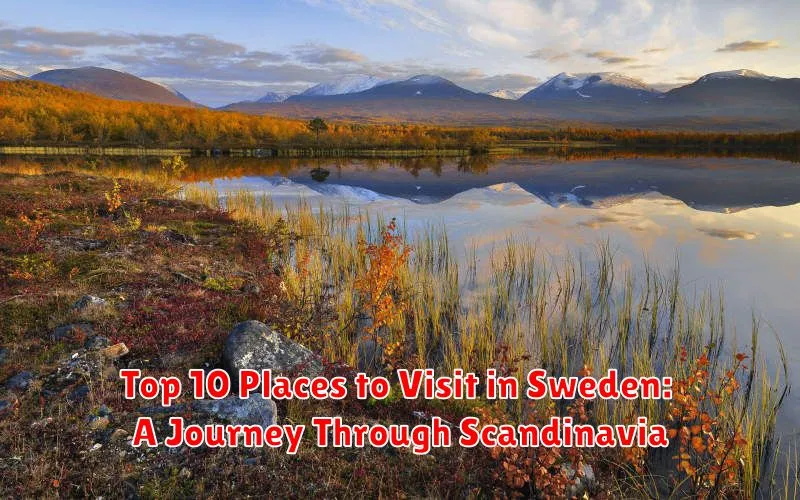
Welcome to the magnificent landscapes of Sweden, a country famous for its stunning natural beauty, rich cultural heritage, and vibrant urban life. Whether you’re a fan of picturesque coastal towns, historical landmarks, or the splendid Northern Lights, Sweden offers an abundance of memorable experiences. In this guide, we’ll explore the Top 10 Places to Visit in Sweden, each with its unique charm and attractions that highlight the essence of Scandinavia.
From the trendy streets of Stockholm, the Swedish capital renowned for its innovative design and historical depth, to the serene landscapes of Lapland, where nature enthusiasts can marvel at the beauty of untouched wilderness, our journey through Sweden promises to captivate and inspire. Get ready to immerse yourself in a country where modernity seamlessly blends with tradition, providing a travel experience that’s truly unforgettable. Join us as we navigate through this Scandinavian gem, uncovering its hidden treasures and must-see destinations.
Vasa Museum

Situated in the heart of Stockholm, the Vasa Museum is a treasure trove of maritime history and an unmissable stop for any traveler in Sweden. Inaugurated in 1990, the museum is dedicated to the preservation and display of the Vasa, a 17th-century warship that met its fateful end on its maiden voyage.
The Story Behind the Vasa Ship
Built under the reign of King Gustavus Adolphus, the Vasa was intended to be the pride of the Swedish fleet. However, due to its ambitious design, it sunk just minutes after setting sail from Stockholm harbor in 1628. After being salvaged in 1961, this stunning artifact now stands as a testament to historical ingenuity and naivety.
Highlights of the Vasa Museum include not only the ship itself, but also a range of exhibits that explore the lives of those aboard, the complex process of salvage, and the history of early 17th-century Sweden.
Must-See Exhibits
- Full-size Replicas of the ornate carvings that once adorned the ship.
- Interactive displays detailing naval warfare and voyage logistics in the 1600s.
- The captivating stories of the people who built, sailed, and lost their lives with the Vasa.
Visitor Information
The Vasa Museum is open year-round, offering guided tours in multiple languages to enhance your visit. It provides a keen look into Sweden’s illustrious naval history while serving as a somber reminder of the unpredictability of the seas.
| Category | Details |
|---|---|
| Type | Maritime Museum |
| Founded | 1990 |
| Location | Stockholm, Sweden |
Gamla Stan
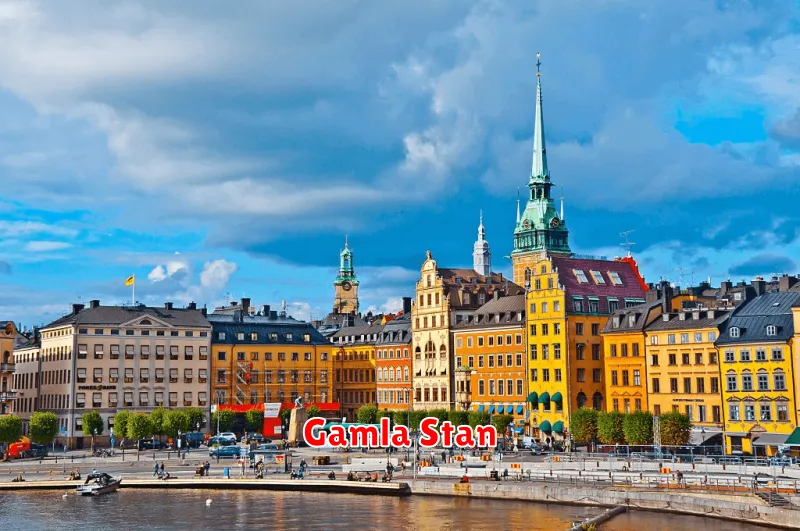
Discover the medieval magic of Gamla Stan, Stockholm’s historic old town. Founded in the 13th century, this charming district is a maze of narrow cobblestone streets, encased in vibrant buildings that resonate with stories of yesteryear. As one of Europe’s largest and best-preserved medieval city centers, Gamla Stan is a living, breathing page from history.
Historical Significance
Walking through Gamla Stan is akin to stepping into a history book. Each corner tells a tale, from the Nobel Museum that celebrates the legendary Nobel Prize, to the grand Royal Palace, one of the largest palaces in Europe. Visitors can witness the changing of the guards, a daily spectacle that highlights Sweden’s royal traditions.
Authentic Swedish Experiences
Gamla Stan is a paradise for those looking to indulge in authentic Swedish experiences. The area is dotted with quaint cafes and traditional restaurants offering classic Swedish dishes like meatballs, gravlax, and herring. Not to be missed are the numerous shops selling unique handicrafts and genuine souvenirs that reflect the cultural richness of Sweden.
Noteworthy Attractions
- Storkyrkan (The Great Church) – A stunning medieval cathedral known for its Gothic architecture and immense historical importance.
- Stortorget – The main square, famous for its picturesque aesthetics and fascinating past.
- Mårten Trotzigs Gränd – The narrowest alley in Stockholm, at only 90 cm at its tightest point, offering a quaint and memorable walk.
Visitor Tips
There’s more to explore beyond the obvious sights. Venture off the beaten path to uncover hidden gems and take time to enjoy a famous fika (coffee break) amidst the historical ambiance. Whether you’re a history enthusiast or a casual traveler, Gamla Stan offers a journey through time that is sure to enchant.
Stockholm Archipelago
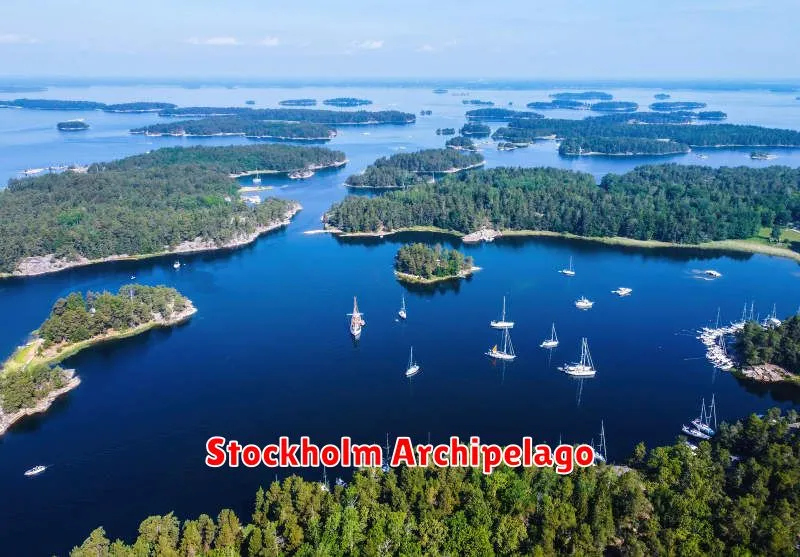
The Stockholm Archipelago is a stunning array of approximately 30,000 islands, islets, and rocks stretching out into the Baltic Sea, providing a breathtaking natural landscape for visitors. Just a stone’s throw from the city, this area is a favorite escape for both locals and travelers seeking peace and serenity.
Nature and Adventure
Whether you’re looking for a relaxing retreat or an adventurous expedition, the Stockholm Archipelago has something to offer. Activities like kayaking, sailing, and hiking are popular options for embracing the great outdoors. During the summer months, the waters are ideal for swimming, while winter transforms the archipelago into a snowy wonderland perfect for cross-country skiing.
Picturesque Villages
A number of quaint villages dot these islands, with each having its own unique charm. Among them, Sandhamn and Vaxholm stand out as particularly popular destinations. Visitors can explore the cobbled streets, visit the local markets, and enjoy fresh seafood in the cozy cafes.
Getting There
Travel to the Stockholm Archipelago is easy and accessible. Ferries and boats depart regularly from central Stockholm, offering convenient trips to various islands. For those who prefer a faster journey, a number of islands also have small airports for charter flights. Plan ahead and make sure to check the seasonal schedules to optimize your visit.
Seasonal Highlights
- Spring: Witness the blooming flora and enjoy mild weather.
- Summer: Ideal for boating and enjoying the long daylight hours.
- Autumn: Experience the vibrant foliage and tranquil atmosphere.
- Winter: Marvel at the snow-covered landscapes and partake in winter sports.
Drottningholm Palace
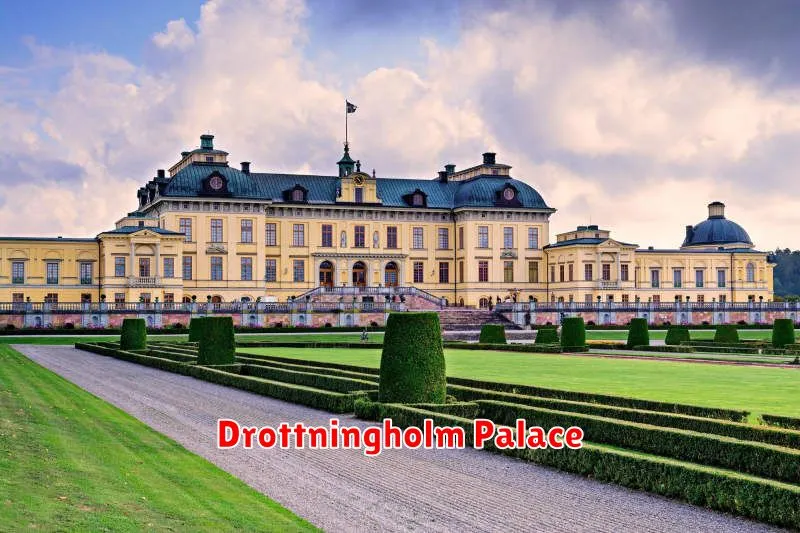
Nestled on the picturesque Island of Lovö, Drottningholm Palace is a stunning testament to Sweden’s regal architecture and royal heritage. As a UNESCO World Heritage site, it is the private residence of the Swedish royal family and a living example of 17th-century northern European architecture.
A Royal Legacy
Originally built in the late 16th century, the palace was intended as a gift from King John III to his wife, Queen Catherine Jagellon. Over the centuries, it has transformed significantly, reflecting different architectural styles and tastes, from Renaissance through Baroque to Rococo.
Explore the Magnificent Gardens
The palace gardens are a major attraction, offering a serene backdrop of landscaped parks and intricate fountains. Designed in the French formal style, these gardens are often compared to the renowned gardens of Versailles. Visitors can roam through the English and Baroque sections, each offering a different slice of horticultural history.
The Drottningholm Palace Theatre
An integral part of the palace grounds, the Drottningholm Palace Theatre is one of the few theaters in the world that still uses 18th-century stage machinery. It hosts an annual festival featuring period performances and operas, bringing history to life on its well-preserved stage.
Essential Visitor Information
| Opening Hours | Tuesday to Sunday: 10 AM – 5 PM |
|---|---|
| Entry Fees | Adults: 160 SEK, Children (7-17): 80 SEK |
| Accessibility | Wheelchair accessible areas available |
Whether you’re a history buff, an architecture enthusiast, or simply looking for a picturesque outing, Drottningholm Palace is a must-visit landmark that offers a glimpse into the grandeur of Sweden’s royal past.
Icehotel
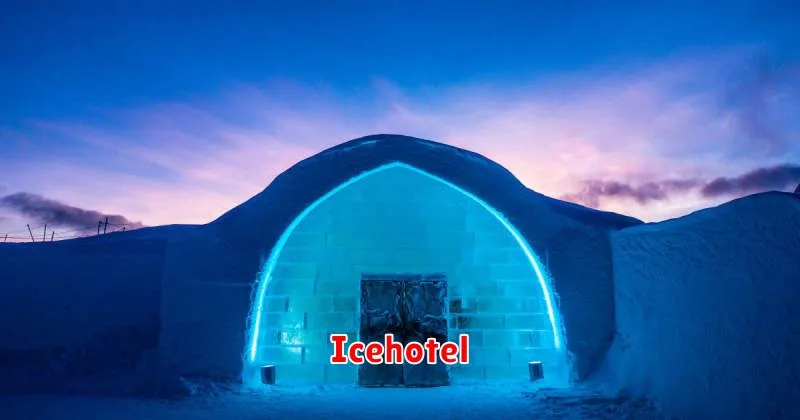
Among Sweden’s remarkable winter attractions, the Icehotel stands out as a mesmerizing marvel of art and architecture. Located in the quaint village of Jukkasjärvi in northern Sweden, this unique hotel is crafted entirely from ice and snow, establishing itself as a brilliant depiction of creativity and sustainability.
The Fascinating History of Icehotel
The Icehotel first opened its icy doors in 1990. Every winter, it is reborn by a team of skilled artisans who shape blocks of ice extracted from the nearby Torne River into breathtaking rooms, sculptures, and structures. This annual spectacle innovatively blends artistic vision with natural elements, providing visitors with a habitat that’s as ethereal as it is ephemeral.
Accommodations Like No Other
Guests at the Icehotel can choose from a variety of accommodations. Each room, a masterpiece in its own right, showcases intricate ice carvings and textured snow designs, resulting in a cozy and magical ambiance despite the freezing environment. The experience is enhanced with rooms themed and decorated by different artists each season, making each visit one-of-a-kind.
Experiencing the Magic
The hotel complex includes a Icebar, where the glasses are made of ice, and a gallery featuring ice sculptures that captivate visitors’ imaginations. For those seeking adventure, activities such as dog sledding, northern lights excursions, and ice sculpting workshops are offered, providing a full immersion into the enchanting Arctic lifestyle.
Visitor Information
| Season | Details |
|---|---|
| Winter | Open annually from December to April |
| Summer | Offers guided tours of the permanent Icehotel 365 |
If you’re planning a trip to Sweden, experiencing a stay at the Icehotel is a must for any traveler looking to witness an extraordinary blend of nature, art, and human innovation. The captivating charm of the ice and the serene atmosphere of the Swedish Lapland promises a memorable adventure that will linger long after you’ve left its glistening embrace.
Abisko National Park
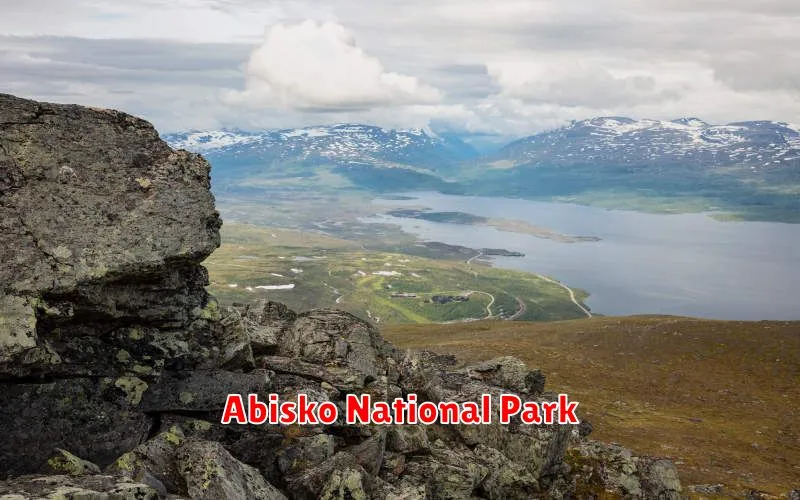
Abisko National Park is a hidden gem located in the far north of Sweden, offering some of the most stunning natural scenery in Scandinavia. Established in 1909, this park is a paradise for outdoor lovers and adventure seekers. With its pristine forests, clear lakes, and panoramic vistas of the surrounding mountains, Abisko is a quintessential Swedish experience.
Activities and Attractions
Whether you’re a hiking enthusiast or a novice explorer, Abisko caters to all. The Kungsleden Trail, Sweden’s most famous hiking route, begins in the park, providing a spectacular journey through nature. For those interested in winter sports, the frozen landscapes create opportunities for cross-country skiing and snowshoeing.
The Northern Lights
One of the most captivating features of Abisko National Park is its reputation as one of the world’s best locations to witness the Northern Lights. Due to its location and climate conditions, the park offers clear skies during the aurora season, almost guaranteeing an unforgettable display of the aurora borealis.
Visitor Information
- Best Time to Visit: December to March for Northern Lights; June to September for summer activities.
- Accessibility: The park is accessible via train from Stockholm or via a short flight to Kiruna followed by a local transfer.
- Accommodation: Options range from cozy lodges to wilderness camping, catering to various preferences.
Visby
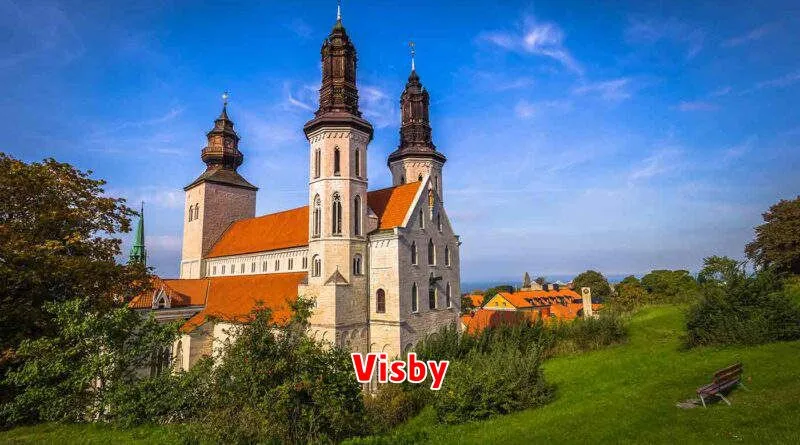
Visby is a charming medieval town located on the island of Gotland in Sweden. Known for its well-preserved city wall and narrow, cobblestone streets, Visby is a UNESCO World Heritage Site that offers visitors a glimpse into the past.
The Charm of Medieval Architecture
Walking through Visby is like stepping back in time. The city wall, constructed in the 13th century, still encircles the town, providing a picturesque backdrop to the delightful mix of Gothic churches and quaint houses. The St. Mary’s Cathedral is a must-see attraction, showcasing the grandeur of medieval architecture.
Annual Events
Visby is not only about history; it is also vibrant with events that celebrate its heritage. The Medieval Week, held every August, transforms the town into a bustling hub of medieval markets, jousting tournaments, and historical reenactments. Visitors are often found in period costumes, enhancing the immersive historical experience.
Things to Do
- Stroll along the Visby Botanical Gardens, offering a tranquil escape with stunning plant varieties.
- Visit the Gotlands Museum to explore the island’s rich history and Viking artifacts.
- Enjoy local cuisine at one of Visby’s many traditional restaurants.
Natural Beauty
Apart from its historical charm, Visby is surrounded by beautiful landscapes. The island of Gotland is known for its unique limestone formations and is a paradise for nature lovers. Don’t miss exploring the serene beaches and lush countryside that envelop this historic town.
Ales Stenar
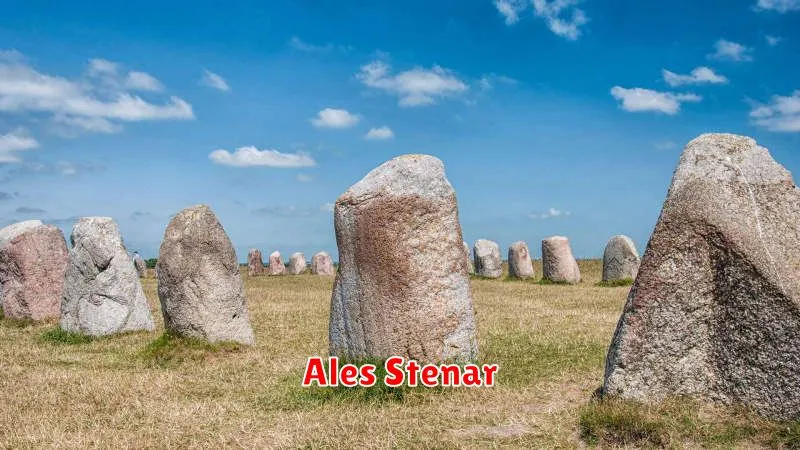
Ales Stenar, often referred to as the “Stonehenge of Sweden,” is a spectacular prehistoric monument located in the scenic region of Skåne, near the coastal village of Kåseberga. This ancient site is made up of 59 large stone boulders arranged in the shape of a massive ship, stretching approximately 67 meters in length.
The Mystery Behind the Stones
Dating back to the Nordic Iron Age, around 1,400 years ago, Ales Stenar is shrouded in mystery. Historians and archaeologists have speculated about its original purpose, which remains uncertain to this day. Some theories suggest it was a burial site or an astronomical calendar due to its distinct orientation aligning with the sunset during the summer solstice and sunrise in winter.
Visiting Ales Stenar
- Best Time to Visit: Summer months offer the best weather, allowing travelers to enjoy the breathtaking coastal views and walk the surrounding trails.
- Getting There: Approximately 30 minutes drive from Ystad, with parking available near the site. From the parking area, visitors must take a short walk uphill to reach the stones.
- Facilities: There are minimal facilities, so it’s advisable for visitors to bring water and snacks.
The majestic view overlooking the Baltic Sea makes Ales Stenar a favorite among locals and tourists alike. The unique combination of historical intrigue and natural beauty ensures a visit that will stay etched in your memory. So, make sure to take a peaceful stroll amidst the stones and reflect on the enigmatic past of this fascinating site.
Gothenburg
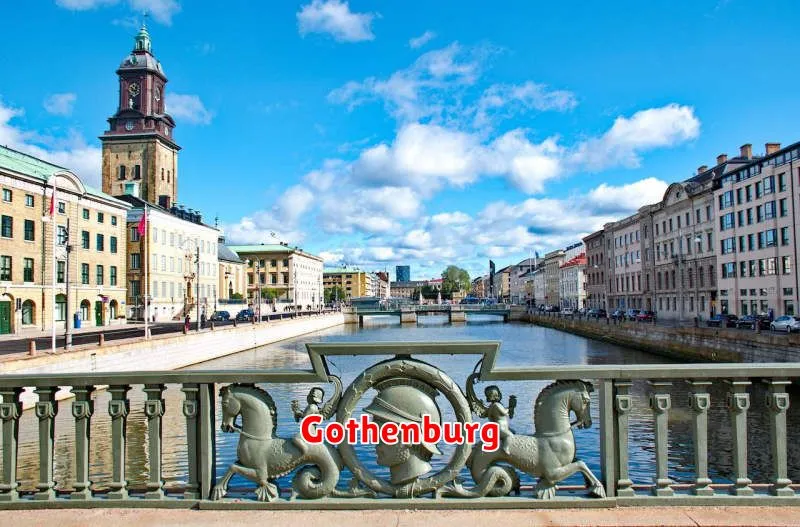
Nestled on the gorgeous western coast of Sweden, Gothenburg is a vibrant city that merges historical charm with modern innovation. As the second-largest city in Sweden, Gothenburg offers a delightful mix of attractions, cuisine, and culture that entices both international tourists and locals alike.
Attractions You Can’t Miss
- Liseberg Amusement Park: Known for its exhilarating rides, this amusement park is not only the largest in Sweden but also ranks among the best in Europe.
- Universeum: A science center and museum where both kids and adults can explore underwater worlds and dense rainforests, right in the heart of the city.
- Gothenburg Botanical Garden: Perfect for nature enthusiasts, offering a serene escape with more than 16,000 plant species.
Culinary Delights
Gothenburg’s culinary scene is a testament to its maritime culture. Fresh seafood is dominant, with the local “fiskekyrkan” or Fish Church, being a popular market for fresh catches of the day.
Getting Around
With an efficient public transport system including trams, buses, and ferries, exploring Gothenburg couldn’t be simpler. Visitors often find the city’s layout easy to navigate, making it a welcoming destination.
Quick Facts
| Aspect | Detail |
|---|---|
| Population | About 580,000 |
| Founded | 1621 |
| Best time to visit | May to September |
Oresund Bridge
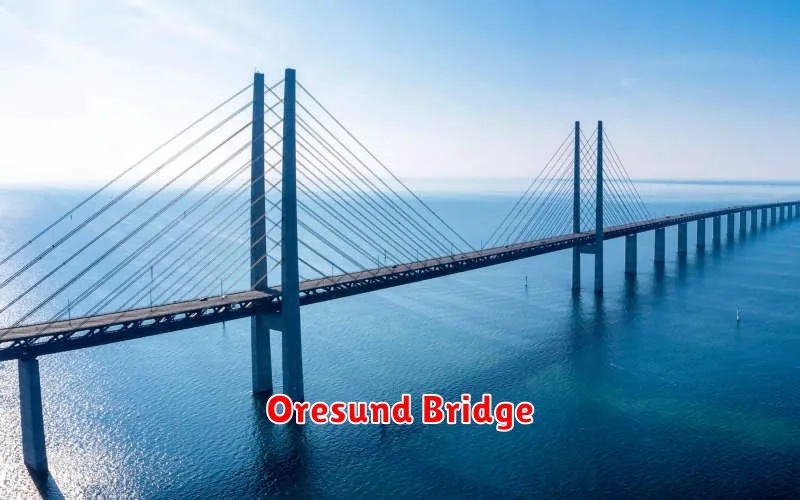
Stretching majestically over the Oresund Strait, the Oresund Bridge is an engineering marvel that connects Sweden to Denmark. This formidable structure is not just a bridge, but a symbol of Scandinavian ingenuity and a testament to seamless cross-border collaboration.
Engineering Excellence
The Oresund Bridge is unique in its design, being a combination of both a bridge and a tunnel. Spanning a total of 16 kilometers (approximately 10 miles), it begins as a bridge from the Swedish side before transitioning into the world’s longest undersea tunnel, the Drogden Tunnel, reaching the Danish shores.
Features of the Oresund Bridge
- Completed in 2000, representing one of the greatest engineering accomplishments of the 21st century.
- Comprises a motorway and a railway line, facilitating both vehicular and rail traffic.
- The bridge rises 57 meters above sea level at its highest point, providing ships with a safe passage beneath.
The Journey
Driving across the Oresund Bridge is an experience like no other. As you travel over the expansive waters, the scenic views of the shimmering seascape and both urban skylines are truly breathtaking. Whether seen during a bright Scandinavian summer or under the ethereal glow of the Northern Lights, the journey is always a memorable one.
Fast Facts
| Feature | Details |
|---|---|
| Total Length | 16 kilometers (10 miles) |
| Bridge Length | 7.8 kilometers (4.8 miles) |
| Tunnel Length | 4 kilometers (2.5 miles) |
| Opened | July 1, 2000 |
Whether you’re a commuter, a tourist, or an engineering aficionado, the Oresund Bridge is a site that cannot be missed. A visit here not only offers a glimpse into the brilliant connectivity of the Nordic countries but also leaves a lasting impression of the region’s commitment to innovation and sustainability.
