
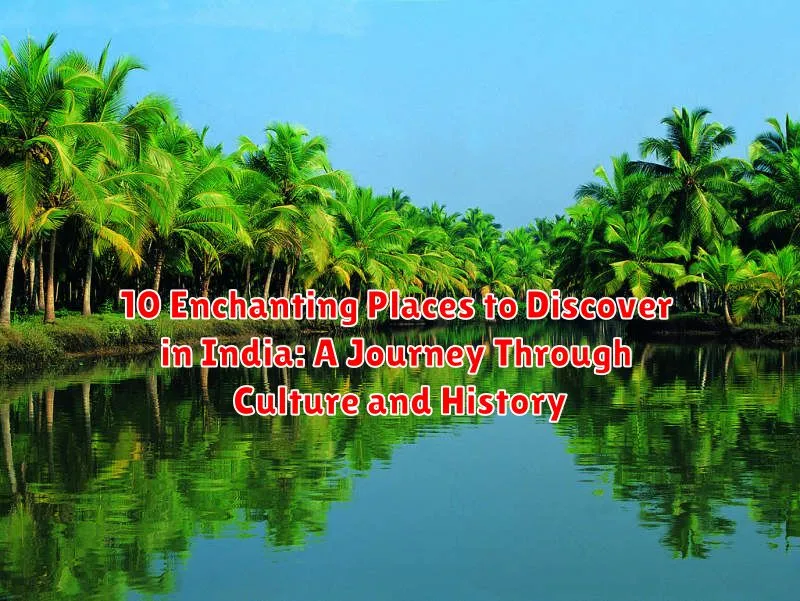
India, a land of diverse cultures and rich history, offers an unforgettable journey through time with its myriad of enchanting places. Whether you’re an avid traveler or a history enthusiast, India presents a tapestry of breath-taking landscapes, monumental architecture, and vibrant cultural experiences that will leave you captivated. From the majestic peaks of the Himalayas to the serene backwaters of Kerala, each location in India has its own story to tell, promising an adventure unlike any other.
In this article, we invite you to explore “10 Enchanting Places to Discover in India: A Journey Through Culture and History.” These destinations are not just about pristine beauty or architectural grandeur; they are windows into India’s soul, reflecting its grand narrative and timeless heritage. Prepare yourself for an immersive journey that takes you from the bustling streets of Delhi to the ancient foothills of the Western Ghats, revealing hidden gems and iconic landmarks that will inspire the wanderlust in you.
Taj Mahal
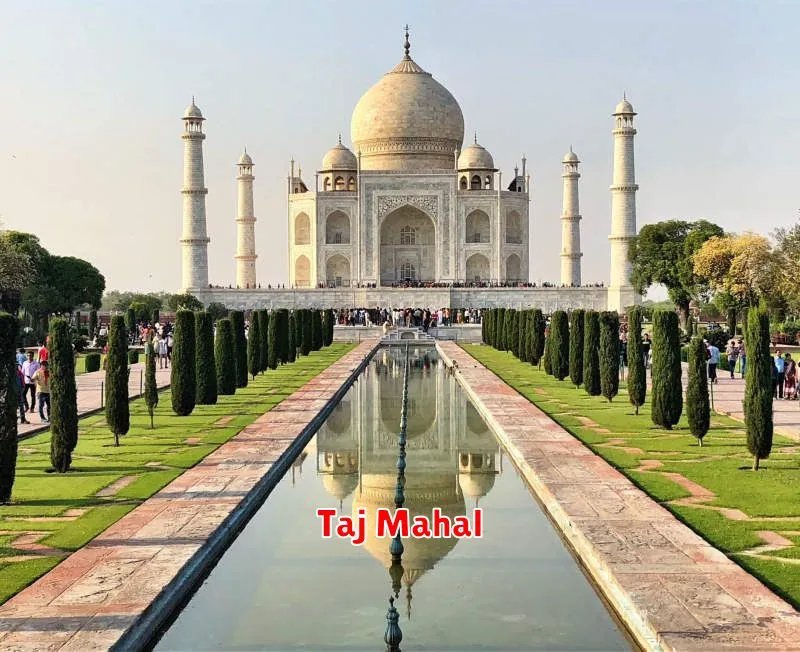
Standing as a stunning testament to the eternal bonds of love, the Taj Mahal has captivated the hearts of millions with its ethereal beauty. Nestled in Agra, this 17th-century marvel is a UNESCO World Heritage Site, renowned for its intricate architecture and mesmerizing symmetry. The Taj, constructed in pristine white marble, was built by Emperor Shah Jahan in memory of his beloved wife Mumtaz Mahal. Its design combines elements from Islamic, Persian, Ottoman Turkish, and Indian architectural styles, creating a unique and enchanting structure.
A Monument to Love
The story behind the Taj Mahal is as enchanting as the monument itself. The emperor dedicated years to perfecting this magnificent mausoleum, which speaks volumes of the passion and artistry of the craftsmen of that era. Standing by its reflective pools and lush gardens, visitors can feel the bygone era’s love and warmth emanating through the ambient beauty of its domes and minarets.
Architectural Highlights
- The Main Dome: A central feature that rises 240 feet, symbolizing a divine realm.
- Four Minarets: Grace the corners, meticulously designed to lean outwards to prevent collapsing onto the main structure.
- Intricate Inlay Work: Adorned with semi-precious stones like lapis lazuli, jade, crystal, and turquoise.
The serene Yamuna River flowing adjacent to the Taj Mahal enhances its picturesque setting, offering a peaceful retreat for visitors seeking respite from the bustling city life. Indeed, the allure of the Taj Mahal transcends time, inviting travelers from around the world to witness one of the most iconic symbols of love and architectural genius ever constructed.
Jaipur
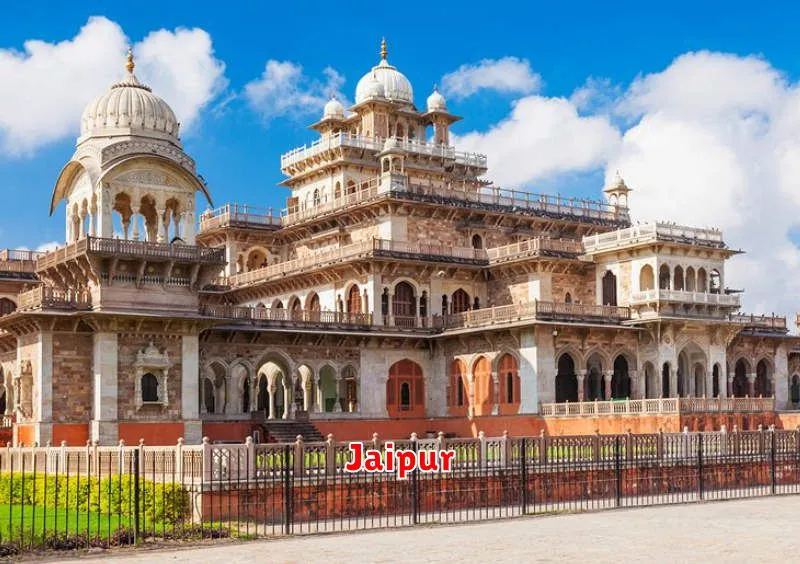
Jaipur, the vibrant capital of Rajasthan, is often referred to as the “Pink City” due to the distinctly colored buildings that line its streets. This enchanting city is a fascinating blend of historical grandeur and modern experiences, offering travelers a chance to journey through the rich tapestries of India’s past.
Architectural Wonders
One cannot visit Jaipur without marveling at its architectural wonders. The Amber Fort stands as a majestic testament to the city’s glorious past. Built in 1592, this stunning fortress overlooks Maota Lake and showcases an exquisite blend of Hindu and Mughal architecture. Its stunning embrace of opulent halls, intricate mirror work, and sprawling courtyards are bound to captivate any visitor.
The Hawa Mahal, or “Palace of Winds”, is another iconic landmark. Designed in 1799, it features 953 small windows (known as jharokhas) that envelop the façade, allowing royal ladies to observe street festivals while remaining unseen.
Vibrant Markets
For those interested in shopping, Jaipur offers an array of colorful markets. The bustling Johari Bazaar is famed for its dazzling display of jewelry and gemstones. Meanwhile, the Bapu Bazaar is the place to go for textiles, traditional prints, and handicrafts.
Culinary Delights
Jaipur’s culinary scene is just as vibrant as its markets. Don’t miss out on trying traditional Rajasthani dishes like dal baati churma, a combination of baked dough balls served with lentils and dessert. The city’s street food, including pyaaz kachori and ghewar, offers a delightful experience for anyone eager to indulge in authentic flavors.
Key Points to Remember
- The best time to visit Jaipur is during the cooler months from October to March.
- Learners of history will appreciate the city’s exquisite museums and galleries.
- Remember to dress modestly, especially when visiting places of worship.
Varanasi
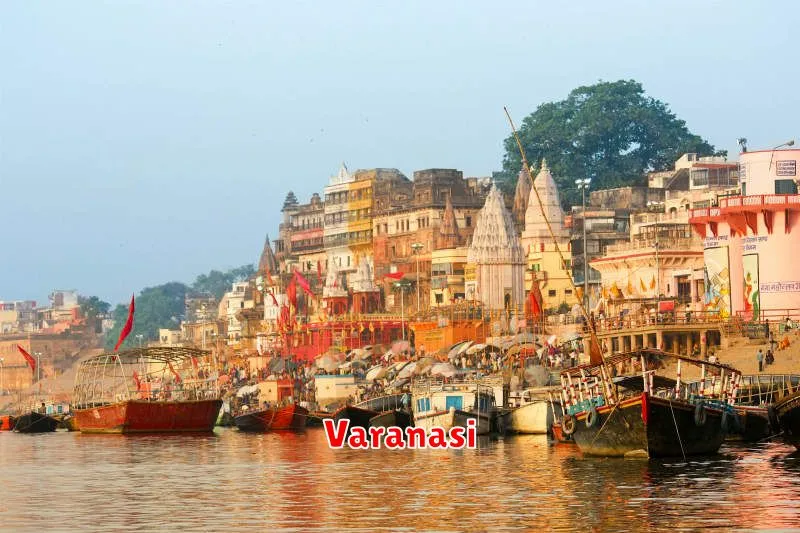
Dubbed as the spiritual heart of India, Varanasi is one of the oldest living cities in the world. Nestled on the banks of the sacred River Ganges, Varanasi is a city steeped in tradition and religious reverence. Every inch of this vibrant city resonates with chants, rituals, and the echo of temple bells reverberating through its ancient ghats.
The Ghats of Varanasi
The most captivating aspect of Varanasi is its ghats, a series of riverfront steps leading to the banks of the River Ganges. Among the eighty-seven ghats, the Dashashwamedh Ghat is the most spectacular. Visitors flock here to witness the nightly Ganga Aarti, a spiritual ceremony where priests perform rituals with fire and offer prayers. The sight of hundreds of flickering lamps reflecting on the water is undeniably a mesmerizing experience.
Temples and Spiritual Significance
Varanasi is home to numerous temples, each with its unique history and significance. The Kashi Vishwanath Temple, dedicated to Lord Shiva, is one of the twelve Jyotirlingas in India and a must-visit. The temple’s towering spires and serene ambiance attract millions of devotees and curious travelers alike.
Cultural and Academic Heritage
Beyond its spiritual essence, Varanasi is a hub of cultural and academic pursuits. The Benares Hindu University is a prestigious institution attracting scholars from all over the world. The city’s rich artistic heritage is reflected in its music, silk weaving, and exquisite craftsmanship.
Interesting Facts
- Varanasi is often touted as the birthplace of Hinduism.
- The city is sometimes referred to as the “City of Light” or “Kashi“, which means “shining” in Sanskrit.
- According to Hindu belief, dying in Varanasi offers liberation from the cycle of rebirth.
Goa
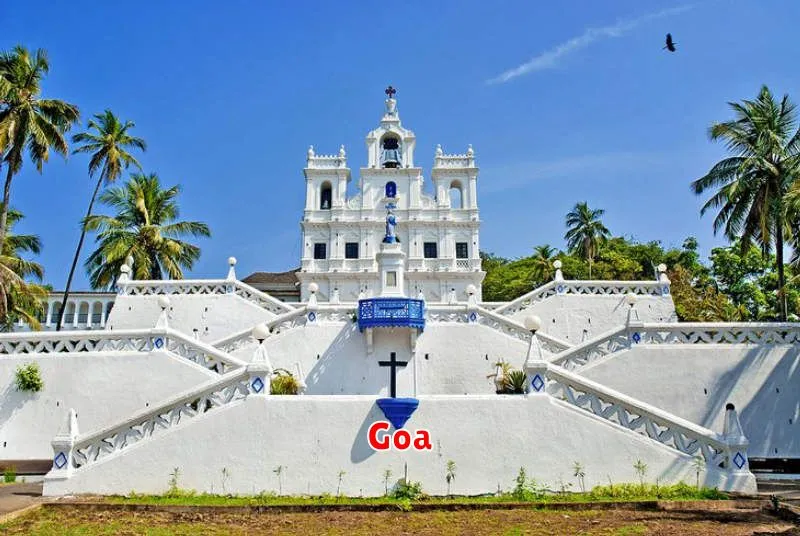
Goa, India’s smallest state by area, offers an enchanting blend of Indian and Portuguese cultures, thanks to its colonial past that has left a vivid mark on its identity. Known for its sandy beaches, vibrant nightlife, rich history, and diverse cuisine, Goa is a destination that promises an unforgettable experience.
Beaches of Goa
The coastline of Goa stretches over 100 kilometers, providing some of the most beautiful beaches in the world. Baga Beach, Calangute Beach, and Palolem Beach are just a few, each offering a unique atmosphere — from bustling party scenes to tranquil retreats. Whether you’re looking to soak up the sun, try water sports, or simply sip a cocktail while enjoying the sunset, Goa’s beaches are the place to be.
Festivals and Nightlife
Goa’s vibrant atmosphere extends to its festivals and nightlife. The festive season peaks during the Goa Carnival and New Year celebrations, when the streets come alive with music, dance, and colorful parades. For night owls, Goa’s beaches and clubs are bustling with life, offering a mix of electronic music and traditional Goan culture after dark.
Goan Cuisine
Food lovers will delight in Goa’s renowned cuisine, which blends Indian spices with Portuguese influences. Must-try dishes include Vindaloo, a fiery meat curry, and Xacuti, a traditional chicken dish. Seafood is a staple, with dishes like Goan fish curry leaving visitors craving more.
Key Points to Remember
- Explore the rich Portuguese heritage in Panaji, Goa’s capital.
- Visit the Basilica de Bom Jesus, a UNESCO World Heritage Site.
- Engage in adventure sports like parasailing and jet skiing.
Whether you’re drawn to its sun-kissed beaches, its intoxicating nightlife, or its mouth-watering food, Goa is much more than just a tourist destination; it’s an experience that captivates and mesmerizes every traveler.
Kerala
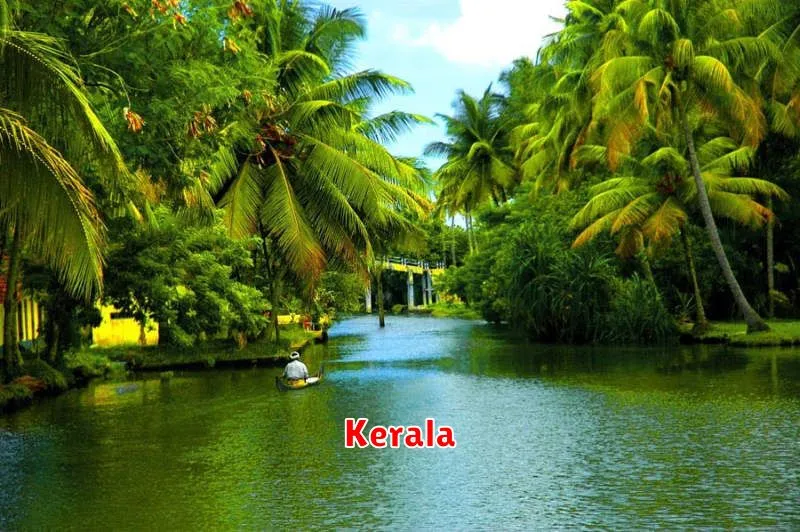
Known as God’s Own Country, Kerala is a treasure trove of natural beauty and cultural diversity in the southwestern part of India. It is a state where lush greenery, serene backwaters, and pristine beaches come together to offer a unique and tranquil experience.
Backwaters and Houseboats
The backwaters of Kerala are a network of interconnected canals, rivers, lakes, and inlets that offer a picturesque setting for a peaceful getaway. Tourists often explore these calm waters on a traditional houseboat, enjoying the serene environment and indulging in authentic Keralan cuisine.
Ayurveda
Kerala is the birthplace of Ayurveda, a holistic system of medicine that has been practiced in India for over 5,000 years. Many visitors come to Kerala to experience traditional Ayurvedic treatments and therapies, which are believed to rejuvenate both body and mind.
Beaches
With a long coastline, Kerala boasts some of the most scenic beaches in India. Kovalam Beach and Varkala Beach are popular destinations for their golden sand, clear waters, and vibrant atmosphere, where visitors can relax and soak up the sun.
Dance and Culture
The cultural heritage of Kerala is showcased through its classical dance forms such as Kathakali and Mohiniyattam. These art forms are characterized by elaborate costumes, detailed gestures, and storytelling that depict ancient myths and legends.
Unique Festivals
Kerala is home to lively festivals, the most famous being Onam, a harvest festival celebrated with traditional music, dance, and the iconic snake boat races. The state transforms into a vibrant hub of festivities during this time, attracting numerous tourists.
| Feature | Highlight |
|---|---|
| Popular Cities | Cochin, Thiruvananthapuram, Kozhikode |
| Main Languages | Malayalam, English |
| Best Time to Visit | September to March |
Whether you are looking for relaxation, culture, or an adventure through nature, Kerala offers a myriad of experiences that are sure to enchant every traveler.
Rajasthan
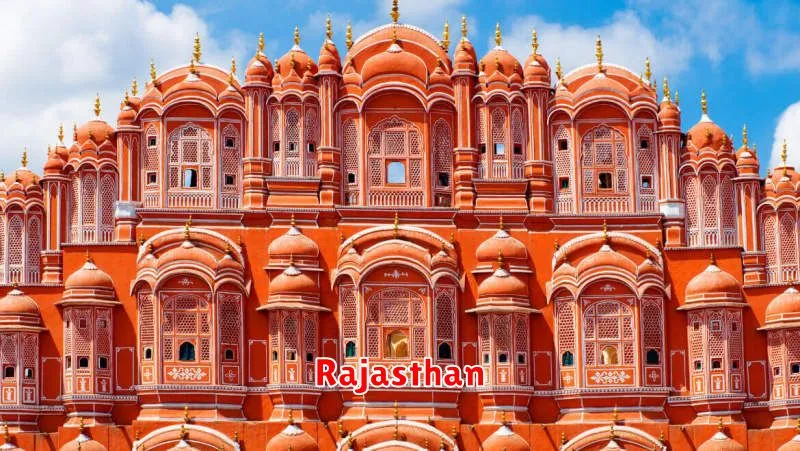
Rajasthan, known as the Land of Kings, is a state that truly captivates every traveler with its fascinating heritage and vibrant culture. This mystical land is an epitome of the grandeur, valor, and romance of ancient India. From majestic forts perched atop hills to the bustling bazaars filled with colorful handicrafts, Rajasthan offers an enchanting experience that is unparalleled.
The Majestic Forts and Palaces
- Amber Fort: Located in Jaipur, it offers a mesmerizing blend of Hindu and Mughal architecture.
- Mehrangarh Fort: Rising above the skyline of Jodhpur, it is one of the largest forts in India.
- City Palace: Positioned in Udaipur, it is a royal complex that invites you to explore the regal past.
Vibrant Festivals
Rajasthan is equally famous for its vibrant festivals that represent its rich cultural tapestry. The Pushkar Camel Fair is an occasion you wouldn’t want to miss, featuring countless camels and cattle traded in the midst of music and dance performances. Another must-visit is the Jaipur Literature Festival, the world’s largest free literary festival, drawing authors, thinkers, and literature enthusiasts alike.
Rich Culinary Heritage
The cuisine of Rajasthan is as colorful and varied as its landscape. With dishes like Dal Baati Churma, Laal Maas, and delectable sweets such as Ghevar, the food scene here is a treat for the taste buds and an integral part of the Rajasthani hospitality.
Desert Landscapes
The expansive Thar Desert provides a unique backdrop to Rajasthan’s cultural canvas. An evening spent on a camel safari amidst rolling sand dunes, followed by a traditional folk dance performance around a cozy campfire, creates lasting memories.
Rajasthan is a state that not only preserves its glorious past but also showcases the resilience of its people and their way of life amidst challenging landscapes. Whether you’re an explorer, a history buff, or a culture enthusiast, Rajasthan promises an extraordinary journey through time.
Delhi
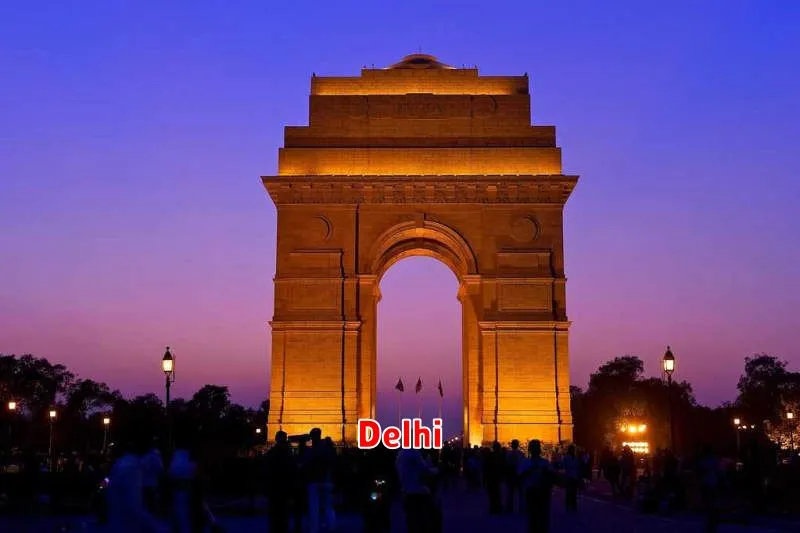
Delhi, the capital city of India, is a vibrant tapestry of history and modernity, making it one of the most compelling places to visit in the country. Known for its rich cultural heritage and bustling urban life, Delhi offers a unique blend of the old and new, enticing every traveler to immerse in its diverse surroundings.
Historical Landmarks
Delhi is home to several iconic monuments that tell tales of a bygone era. The Red Fort, a UNESCO World Heritage site, stands as a testament to the architectural brilliance of the Mughal Empire. Another must-visit site is the India Gate, a majestic war memorial set amidst lush gardens. These landmarks provide a glimpse into Delhi’s storied past that’s rich with history and intrigue.
Culinary Delight
Food is an integral part of Delhi’s cultural identity. From street foods like chaat and parathas to sophisticated dining experiences, the city offers a gastronomic journey that will tantalize your taste buds. Indulge in the rich flavors of Delhi’s famous butter chicken or enjoy savoring some of the city’s traditional sweets like jalebi and kulfi.
Shopping Havens
Shopping in Delhi can be an exhilarating experience with its myriad markets and bazaars. The vibrant Chandni Chowk is an old market that offers everything from textiles to jewelry. For a more upscale experience, visit Connaught Place, where you can find both national and international brands. Delhi’s markets are a shopper’s paradise, offering something for everyone.
Cultural Experiences
Delhi is also known for its diverse cultural scene. Attend a classical music concert at the India Habitat Centre, or visit one of the many art galleries showcasing works by contemporary Indian artists. The city also hosts various festivals and events throughout the year, providing ample opportunities to experience the vibrant cultural landscape.
Quick Facts
- Establishment as Delhi Sultanate: 1206 AD
- Main languages spoken: Hindi, English
- Best time to visit: October to March
- Population: Approx. 19 million (as of 2021)
Mumbai
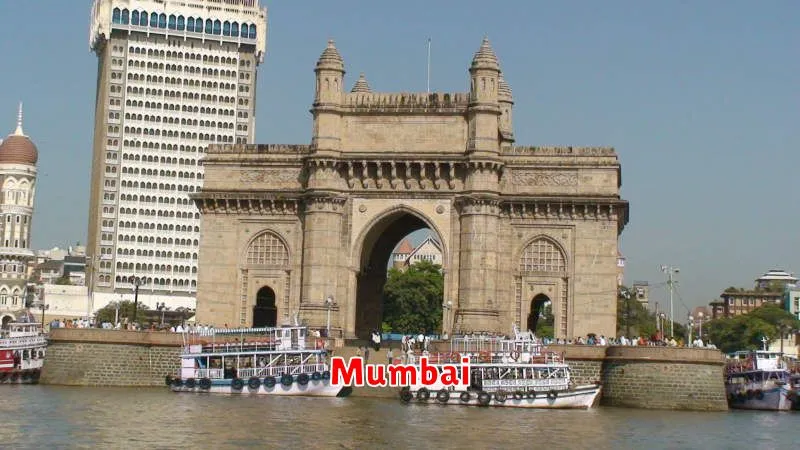
Mumbai, formerly known as Bombay, is the bustling commercial capital of India and one of the most dynamic cities in the world. Often referred to as the “City of Dreams,” Mumbai is a melting pot of cultures, where the vibrant street life intertwines with the glamour of Bollywood.
Highlights of Mumbai
- Gateway of India: This iconic arch-monument, overlooking the Arabian Sea, was built in 1924 and stands as a testament to Mumbai’s rich history. It’s a perfect starting point for any Mumbai exploration.
- Marine Drive: Also known as the “Queen’s Necklace,” this sweeping coastline offers stunning views of the Arabian Sea, and is especially enchanting at night when lit up.
- Chhatrapati Shivaji Terminus: A UNESCO World Heritage site that exemplifies the Victorian Gothic Revival architecture, this railway station is an architectural marvel and a must-see.
- Bollywood Tours: As the heart of the Indian film industry, Mumbai offers various tours for visitors to get a sneak peek into the world of Bollywood.
The Food Scene
Mumbai is a culinary paradise with a plethora of dining options ranging from street food stalls to luxury restaurants. Don’t miss trying some local favorites such as vada pav and pav bhaji, which are staples of Mumbai’s vibrant street food culture.
Did You Know?
Mumbai is home to the famous Dhobi Ghat, a massive open-air laundromat where thousands of garments are hand-washed every day. It is a unique sight showcasing a traditional method of laundry that has been practiced for generations.
Agra
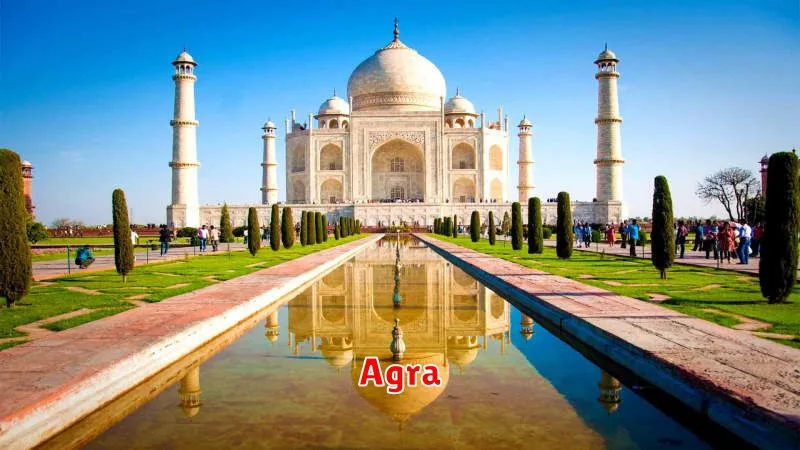
Nestled along the banks of the Yamuna River, Agra is a city that effortlessly marries historical grandeur with contemporary charm. This vibrant city is world-renowned as the home of the majestic Taj Mahal, yet it boasts numerous other attractions that are equally captivating.
Historical Significance
Agra’s significance as a historical hub is palpable at every corner. It was once the heart of the Mughal Empire, playing a pivotal role during this majestic reign. The city is studded with resplendent structures that are a testament to India’s rich past.
Must-Visit Attractions
Beyond the iconic Taj Mahal, Agra is home to several other architectural masterpieces. These include the impressive Agra Fort, a UNESCO World Heritage Site that’s a red sandstone embodiment of power, and the exquisite Fatehpur Sikri, a ghost city filled with historical valor.
Agra Fort
Constructed by Emperor Akbar, Agra Fort stands as a beacon of Mughal ingenuity. With its mighty walls and intricate interiors, visitors can explore the halls and pavilions that once witnessed the grandeur of the empires.
Fatehpur Sikri
Often described as a city of victory, Fatehpur Sikri narrates stories of the past. Featuring magnificent structures such as the Buland Darwaza and the Panch Mahal, this site invites guests to stroll through its courtyards and relive its former splendor.
A Treat for the Senses
- Cuisine: Agra is not just about history; its culinary landscape is equally enticing. The city is famous for its sweet delicacy, Petha, and the spicy flavors of Mughlai dishes.
- Shopping: Agra also offers vibrant markets such as Sadar Bazaar, where you can shop for leather goods, marble inlay work, and traditional crafts.
Practical Information
Best time to visit: The ideal months to explore Agra are from October to March, when the weather is pleasant and conducive for sightseeing.
Agra, with its juxtaposition of legends and living traditions, is a must-visit destination for anyone eager to delve into India’s opulent tapestry of culture and history.
Ajanta and Ellora Caves
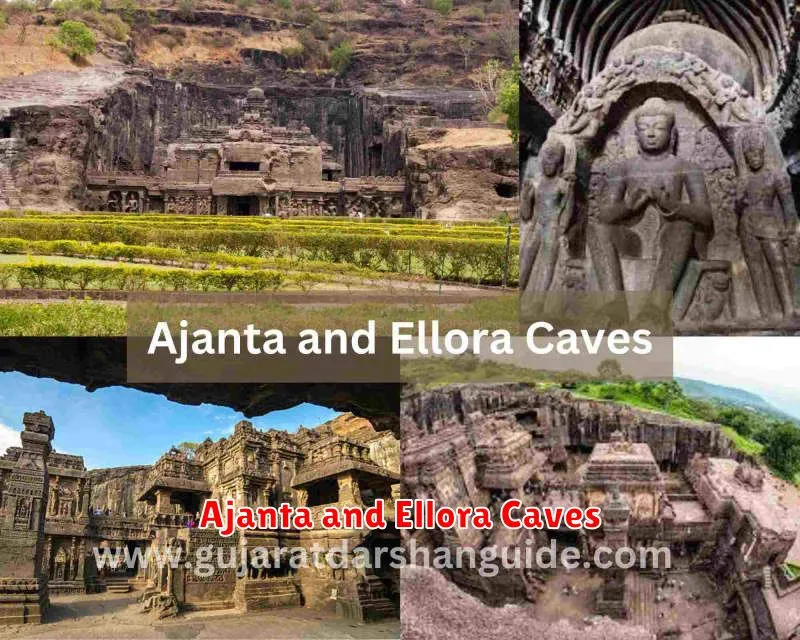
Located in the state of Maharashtra, the Ajanta and Ellora Caves are an iconic symbol of India’s rich cultural heritage. These remarkable caves are a testament to the diverse history and exquisite artistry that have defined the region across centuries.
The Wonders of Ajanta
Dating back to the 2nd century BCE, the Ajanta Caves consist of approximately 30 rock-cut Buddhist cave monuments. Renowned for their impressive fresco paintings and intricate sculptures, the caves serve as a significant example of ancient Indian art. The depictions of the Jataka tales, which illustrate the past lives of the Buddha, offer a glimpse into ancient storytelling and religious practices.
The Magnificence of Ellora
The Ellora Caves, situated approximately 100 kilometers from Ajanta, are an imposing complex of rock-cut cave temples. These 34 caves were carved between the 1st and 10th centuries AD and represent a harmonious coexistence of three religions: Hinduism, Buddhism, and Jainism. Among these, the Kailasa Temple (Cave 16) stands out as a colossal monolithic structure dedicated to Lord Shiva and is considered one of the largest rock-cut monastery-temple complexes in the world.
Why Visit Ajanta and Ellora?
- Architectural Mastery: Witness the exquisite carvings and mural paintings that showcase an unparalleled level of craftsmanship.
- Spiritual Experience: The caves provide an ideal setting for spiritual retreats and a deeper understanding of ancient spiritual practices.
- Historical Significance: As UNESCO World Heritage Sites, these caves offer an invaluable window into the religious and cultural history of India.
Both Ajanta and Ellora stand as monumental achievements of artistic expression, drawing visitors from around the globe who seek inspiration and insight into India’s ancient civilization. They are a must-see for anyone embarking on a journey through India’s cultural and historical landscape.
