
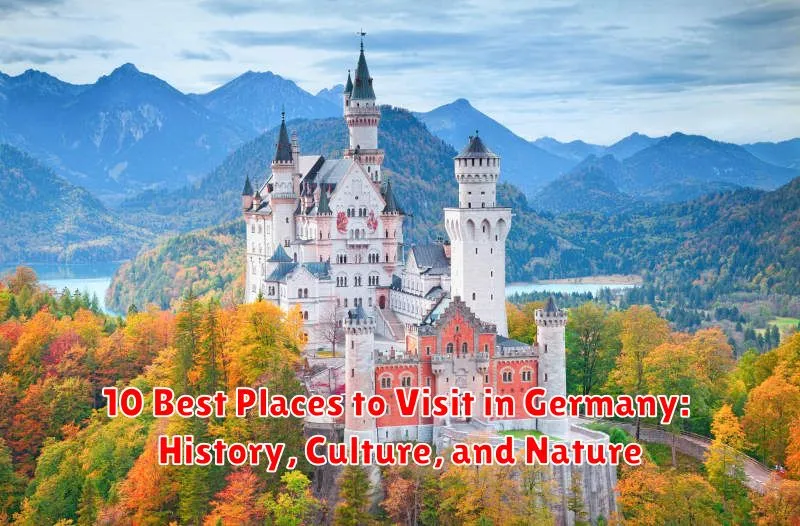
Germany, a country renowned for its rich history, vibrant culture, and stunning natural beauty, is home to many breathtaking destinations that captivate travelers from around the world. From the enchanting castles dotting the Bavarian landscape to the buzzing streets of Berlin, there’s something for everyone. Whether you’re a history buff, a culture enthusiast, or a nature lover, you’ll find no shortage of wonders to explore in this European gem.
In this article, we’ll take you on a journey to discover the 10 best places to visit in Germany. These locations not only showcase the country’s diverse offerings but also provide unique insights into its heritage and way of life. From the fairytale-like town of Rothenburg ob der Tauber to the majestic Black Forest, prepare to be amazed by the blend of historical landmarks, modern attractions, and picturesque landscapes. Delve into our guide and uncover the must-see sites that will make your German adventure truly unforgettable.
Berlin
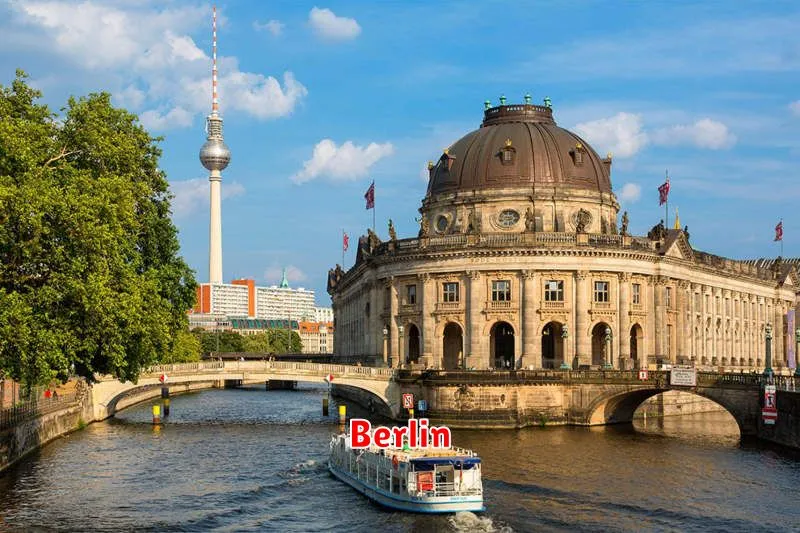
As the vibrant capital of Germany, Berlin is a city that seamlessly blends the past with the present. This bustling metropolis is a hotspot for history enthusiasts, cultural aficionados, and nature lovers alike. With its diverse urban landscapes and historical sites, Berlin offers a unique glimpse into Germany’s past and future.
Historical Significance
One cannot discuss Berlin without mentioning its rich history. The city has been at the center of many significant historical events, from the rise and fall of the Berlin Wall to its transformation after the reunification of Germany. Visitors can explore the striking Memorial to the Murdered Jews of Europe or take a sobering tour of the Berlin Wall Memorial to better understand the city’s complex past.
Cultural Hub
Berlin is a cultural melting pot where traditional and contemporary art forms thrive. With over 170 museums, galleries, and theaters, the city is a cultural treasure trove. The renowned Berlin Philharmonic Orchestra offers performances that are a must-see for music enthusiasts. The city’s street art scene, especially in areas such as the East Side Gallery, showcases the creative spirit of Berlin.
Natural Escapes
Despite its urban setting, Berlin boasts numerous parks and green spaces. The iconic Tiergarten Park is a favorite among both residents and tourists, providing a peaceful retreat in the heart of the city. For those seeking nature, the Grunewald Forest on the outskirts offers a perfect hiking destination to enjoy the tranquility and fresh air.
Culinary Delights
Berlin’s food scene is as diverse as its culture. From traditional German fare at local beer gardens to innovative dishes at trendy restaurants, there is something for every palate. Don’t miss out on trying a classic Currywurst or a Berliner Pfannkuchen, a delicious type of doughnut.
Must-Visit Sites in Berlin
- The Brandenburg Gate – A neoclassical monument and symbol of Berlin.
- The historic Reichstag Building – Offers panoramic views of the city from its dome.
- Pergamon Museum – Houses priceless ancient artifacts and is a part of Berlin’s Museum Island.
- Charlottenburg Palace – The largest palace in Berlin, set in baroque gardens.
Neuschwanstein Castle
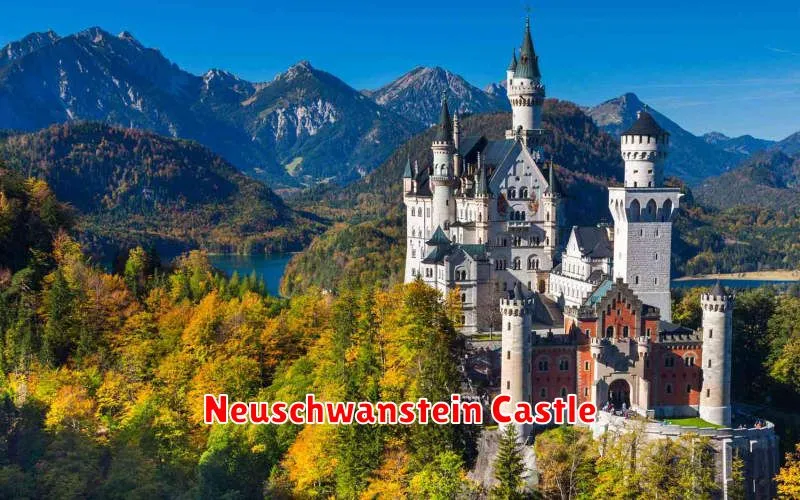
Neuschwanstein Castle is not just a destination; it’s a dreamlike journey into the Bavarian Alps. Often regarded as the epitome of fairy-tale castles, it inspired Disney’s Sleeping Beauty Castle, capturing imaginations with its romantic architecture and stunning surroundings.
The Vision of a Dreamer
Commissioned by King Ludwig II of Bavaria, often referred to as the “Fairy Tale King,” Neuschwanstein Castle reflects his admiration for the operatic works of Richard Wagner. Its architecture is a unique blend of Romanesque Revival style, deliberately created to endorse a world of fantasy. Each room tells a part of a story, from legends and operas to an absolute retreat for the king.
Explore the Magic
Visitors can embark on a guided tour that navigates through opulent halls and secret corridors, appreciating the intricate artistry and imaginative sculptures that adorn the castle’s interior. The Singer’s Hall, a grand hall meant for concerts and banquets, stands as the most extravagant room, and the Throne Room embodies a Byzantine church.
Highlights of Your Visit:
- Admire panoramic views over the Hohenschwangau valley and its lush landscapes.
- Witness the fascinating fusion of fantasy and history in the King’s private chambers.
- Enjoy the nearby Marienbrücke bridge for an iconic view of the castle.
The best time to visit is during spring or early autumn, when the surrounding forests and mountains add a vibrant backdrop to the already magical scenery. Accessible by a brief hike or a scenic shuttle bus ride, Neuschwanstein Castle remains one of Germany’s most popular tourist attractions, a testament to the enduring charm of its creator’s vision.
Cologne Cathedral
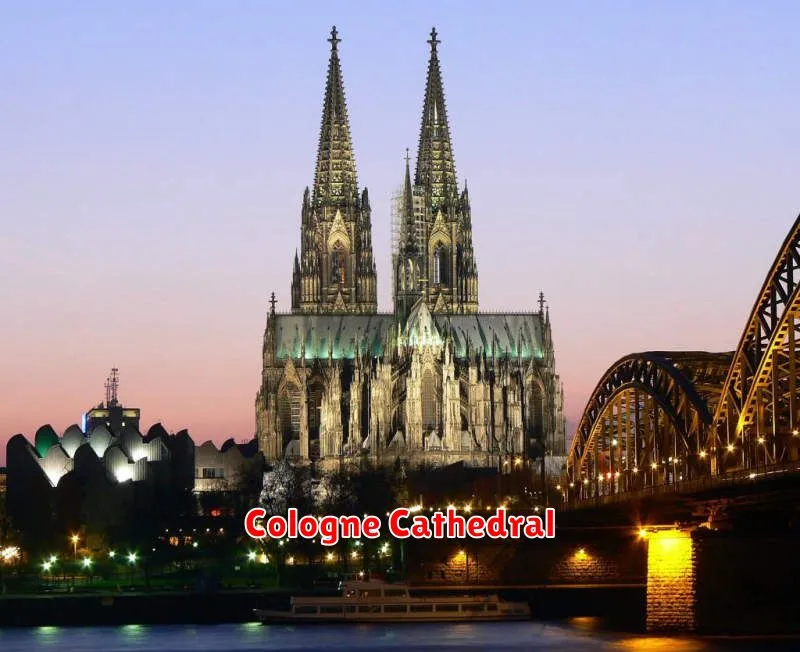
When visiting Germany, the majestic Cologne Cathedral is a landmark you absolutely cannot miss. As the tallest twin-spired church in the world, this architectural marvel dominates the skyline of Cologne, offering both a deep sense of history and an awe-inspiring presence to its visitors.
Gothic Architecture at Its Finest
The Cologne Cathedral is a masterpiece of Gothic architecture, showcasing intricate designs that took over 600 years to complete. The construction began in 1248 and was halted in the 16th century, only to be finally completed in the 19th century. Admire its stunning façade adorned with sculptures, pinnacles, and the impressive central nave that speaks volumes of the city’s past.
Rich Historical Significance
Initially built to house the relics of the Three Kings, the cathedral has played a significant role in the religious and cultural history of Germany. Inside, you’ll find mesmerizing stained-glass windows and numerous pieces of historical religious art. The Gero-Kreuz, a 10th-century crucifix, is among its oldest treasures.
Visitor Information
- Opening Hours: 6 a.m. to 8 p.m.
- Admission: Free (Nevertheless, donations are appreciated)
- Location: Domkloster 4, 50667 Cologne, Germany
The cathedral is not just a place for spiritual reflection; visitors often climb the spiral staircase to the observation deck for a breathtaking view of Cologne and the Rhine River. Whether you’re drawn to its spiritual legacy, architectural beauty, or historical importance, the Cologne Cathedral is a must-see destination that captures the essence of Germany’s rich cultural tapestry.
Brandenburg Gate
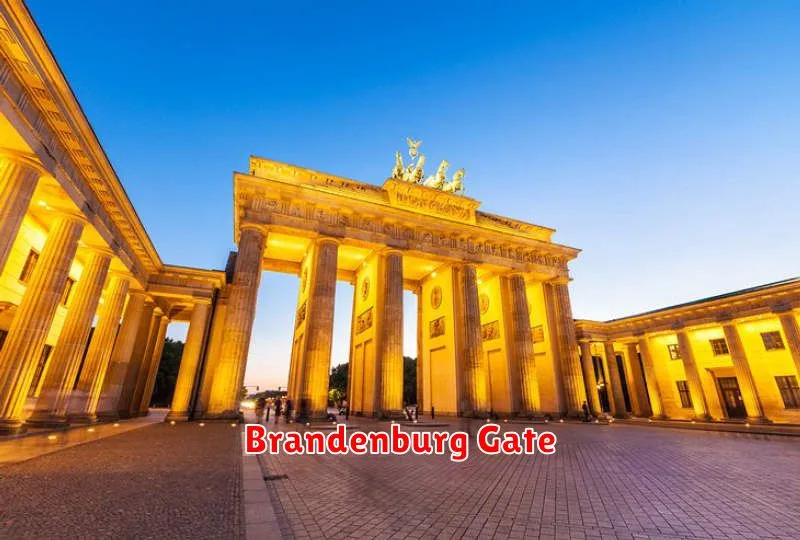
Located in the heart of Berlin, the Brandenburg Gate stands as a symbol of reunification and peace. This iconic landmark is steeped in history and is one of the most well-known structures in Germany. Built in the late 18th century, it has witnessed numerous pivotal moments in German history.
Historical Significance
The gate was originally commissioned by King Frederick William II and modeled after the Propylaea of Athens’ Acropolis, representing the strength and stability of the Prussian kingdom. It once stood as a division point during the Cold War, marking the barrier between East and West Berlin.
Architecture and Design
The neoclassical design remains a masterpiece with its twelve Doric columns, creating five passageways. Atop the gate sits the Quadriga, a chariot drawn by four horses, piloted by Victoria, the Roman goddess of victory. This striking sculpture adds to the gate’s grandeur and represents triumph and authority.
Interesting Facts
- The Brandenburg Gate was severely damaged during World War II and was subsequently restored.
- It celebrated the 20th anniversary of the fall of the Berlin Wall with thousands gathering at the site in 2009.
- Each year, the gate hosts a spectacular New Year’s Eve party, drawing in locals and tourists alike for a grand celebration.
Whether you’re a history enthusiast or a casual traveler, the Brandenburg Gate offers not just a glimpse into the past, but also a vibrant cultural experience in the present. Its location gives visitors myriad opportunities to explore nearby attractions and soak in the rich tapestry of Berlin’s history and culture.
Black Forest

Nestled in the southwest of Germany, the Black Forest or Schwarzwald is a renowned natural wonder teeming with dense, evergreen forests and charming little towns. The region is a perfect retreat for anyone looking to explore the heart of nature while indulging in German cultural heritage.
Activities and Attractions
Visitors can delight in hiking along the myriad scenic trails that weave through the forest, each offering a unique perspective of the region’s lush greenery. Equally captivating are the cycling paths that take you through quaint villages where time seems to have stood still. Don’t miss the breathtaking triberg waterfalls, the highest in Germany, for a truly mesmerizing experience.
Local Culture
The Black Forest is more than just its tantalizing vistas; it’s also a place rich in tradition. The area is famous for the iconic Black Forest Cake, known locally as Schwarzwälder Kirschtorte. Another cultural highlight is the intricate cuckoo clocks, handmade artifacts that have been crafted in this region for centuries.
Sample Itinerary
- Day 1: Arrival in the Black Forest, explore the local town
- Day 2: Hike to the Triberg Waterfalls, visit a cuckoo clock workshop
- Day 3: Bike tours through the forest, enjoy a slice of Black Forest Cake
| Popular Towns | Highlights |
|---|---|
| Freiburg | Historic architecture and vibrant markets |
| Baden-Baden | Thermal spas and elegant casinos |
| Triberg | Waterfalls and cuckoo clocks |
The Black Forest is an excellent blend of serenity and rich local experiences, making it an unmissable stopover on your German adventure.
Romantic Rhine
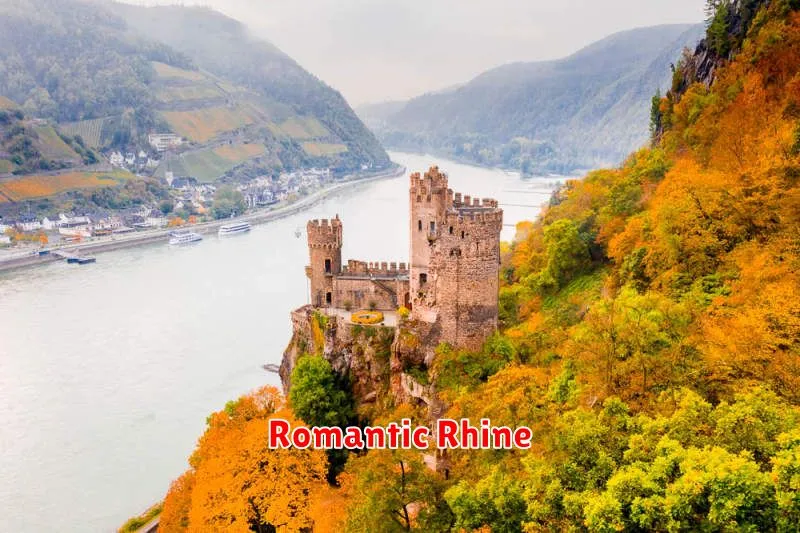
The Romantic Rhine is a captivating stretch of the Rhine River that winds through some of Germany’s most picturesque landscapes. Known for its stunning vineyards, charming villages, and grand castles, this area offers a perfect blend of history, culture, and nature.
Historical Significance
The Romantic Rhine is rich in history, dotted with medieval castles and fortresses. Many of these structures were built to protect trade routes along the river. Today, they stand as testaments to the region’s storied past. The Marksburg Castle, one of the few castles on the Rhine that was never destroyed, offers visitors a glimpse into medieval life.
Vineyards and Wine Culture
The hills surrounding the Rhine are blanketed with lush vineyards, producing some of the best Riesling wines in the world. Wine enthusiasts can enjoy tours and tastings in quaint towns such as Rüdesheim and Boppard. These experiences provide an excellent opportunity to savor the distinctive flavors of the region.
Scenic Villages
Along the banks of the Rhine, you’ll find quaint villages brimming with traditional German architecture. Towns like Bacharach and St. Goar are perfect for leisurely strolls, offering cobblestone streets, half-timbered houses, and charming markets.
Highlights of the Romantic Rhine
- Marksburg Castle: A perfectly preserved medieval castle offering guided tours.
- Rüdesheim: Renowned for its wine taverns and scenic ride on the Niederwald Monument cable car.
- Bacharach: A picturesque village known for its timbered houses and beautiful landscapes.
The Romantic Rhine is an idyllic destination that embodies the essence of Germany’s natural beauty and rich cultural heritage. It’s a place where history and the idyllic landscapes converge, creating an unforgettable experience for all visitors.
Munich
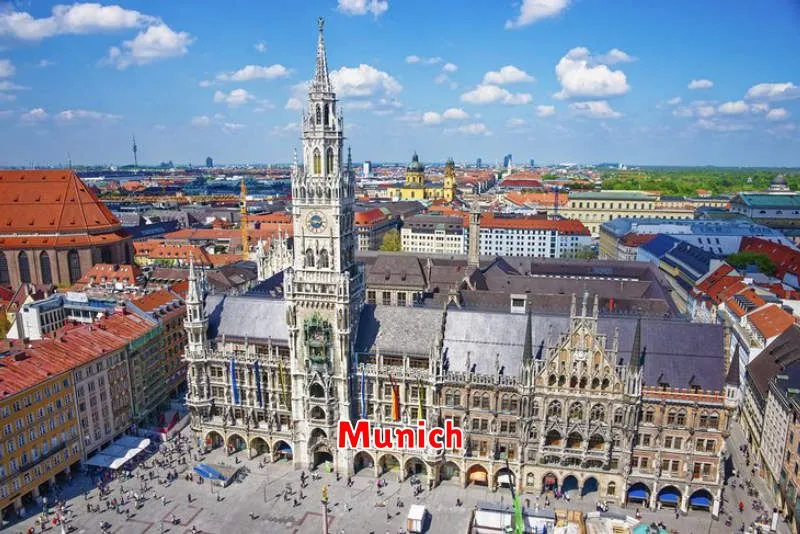
Munich, the capital of Bavaria, is a city that effortlessly combines the charm of its historical roots with modern cosmopolitan vibrance. This city is renowned for its rich cultural heritage and bustling lifestyle, making it a must-visit destination in Germany.
Oktoberfest: A Tradition Like No Other
When talking about Munich, the first thing that often comes to mind is its world-famous Oktoberfest. Held annually from late September to the first weekend in October, this traditional beer festival attracts millions of visitors from all over the globe. With lively music, traditional Bavarian costumes, and, of course, an array of exceptional beers, Oktoberfest is an experience not to be missed.
The Majesty of Marienplatz
At the heart of Munich is the Marienplatz, the central square that buzzes with energy throughout the year. Visitors can admire the stunning architecture of the New Town Hall with its iconic Glockenspiel that draws crowds with its charming chimes and animated figures reenacting historic Bavarian events.
Englischer Garten: An Urban Oasis
For those seeking nature within the city, the Englischer Garten offers a tranquil escape. Larger than New York’s Central Park, this expansive green space provides a perfect setting for a leisurely walk, a refreshing dip in the Eisbach River, or a relaxing afternoon in a traditional beer garden.
Museum Madness
Munich boasts an array of impressive museums. One standout is the Deutsches Museum, the world’s largest science and technology museum. Art enthusiasts should not miss the Pinakothek galleries, which feature exceptional collections spanning from the Middle Ages to the modern era.
| Attraction | Highlight |
|---|---|
| Oktoberfest | World’s largest beer festival |
| Marienplatz | Central square with historic architecture |
| Englischer Garten | One of the largest urban parks |
| Deutsches Museum | World’s largest museum of science and technology |
| Pinakothek Galleries | Renowned art collections |
With its dynamic blend of history, culture, and natural beauty, Munich firmly stands as one of Germany’s premier destinations. The city’s inviting atmosphere ensures that there is something for everyone, from captivating historical sites and vibrant festivals to serene parks and world-class museums.
Hamburg
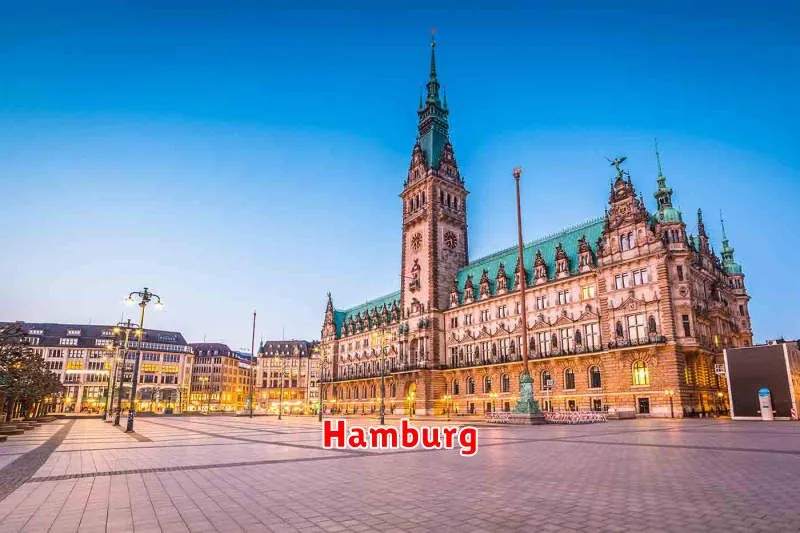
Hamburg, known as the Gateway to the World, is a bustling port city in northern Germany with a rich maritime heritage and vibrant cultural scene. This lively metropolis, famed for its harbor, is the second-largest city in Germany and offers a diverse array of attractions that cater to all interests.
Exploring the Port of Hamburg
The Port of Hamburg, often called the HafenCity, is a must-visit for anyone coming to this city. As one of the busiest ports in Europe, it boasts spectacular views and myriad activities. Visitors can enjoy a relaxing boat tour to take in the picturesque landscape or engage in one of the port’s many festivals held throughout the year.
Culture and Arts
The city is also a haven for culture enthusiasts. Hamburg is home to the Elbphilharmonie, a stunning concert hall where the architecture is as impressive as the performances. Meanwhile, art lovers can wander through the numerous galleries dotting the city, such as the Hamburger Kunsthalle, which houses an extensive collection of European paintings.
The Reeperbahn
No visit to Hamburg is complete without a stroll down the Reeperbahn, the city’s notorious entertainment district. Known for its nightlife, clubs, and theaters, this area comes alive after dark, offering something for everyone from live music to eclectic bars.
Shopping and Culinary Delights
Shopping enthusiasts can indulge in a range of venues, from high-end boutiques to quirky local shops in areas like the Schanzenviertel. When it comes to dining, Hamburg serves up a delightful food scene, strongly influenced by its maritime culture. Don’t miss out on the local specialty, Fischbrötchen, a fish sandwich that serves as a staple snack.
Summary
- Location: Northern Germany
- Famous For: Port of Hamburg, Reeperbahn
- Must-See: Elbphilharmonie, Hamburger Kunsthalle
- Culinary Highlight: Fischbrötchen
Dresden
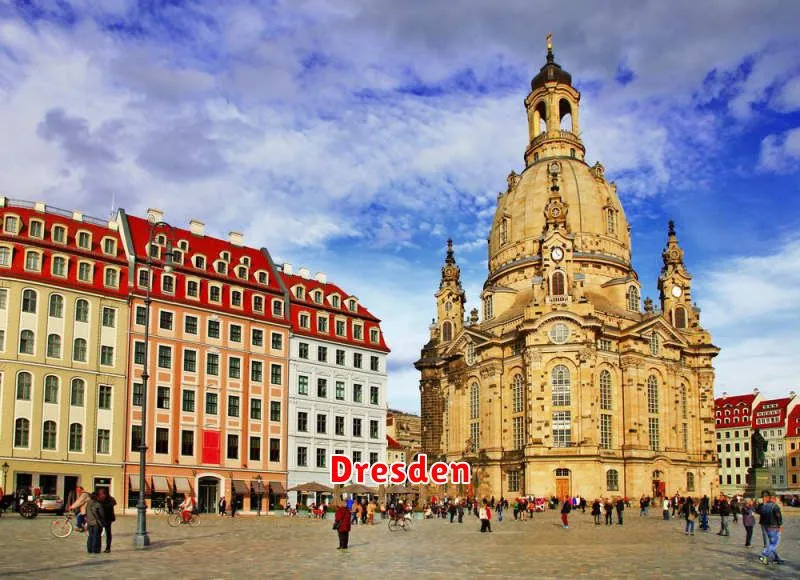
Located in eastern Germany, Dresden is a city that stands as a testimony to the resilience of both history and innovation. Famously known as the “Florence on the Elbe,” this beautiful city captivates visitors with its charming blend of art, culture, and nature.
The Architectural Wonders
Dresden is brimming with architectural masterpieces that survived the ravages of World War II. The Frauenkirche, a grand domed church rebuilt from its own ruins, is a symbol of peace and reconciliation. Nearby, the opulent Zwinger Palace boasts baroque architecture and houses numerous art collections and museums.
Cultural Extravaganza
For art lovers, the Old Masters Gallery showcases works by Raphael, Titian, and Rembrandt, celebrating the rich artistic heritage of the region. Dresden’s annual music festival, the Dresden Music Festival, attracts renowned musicians and is a cultural highlight worth experiencing.
Key Attractions in Dresden:
- Semper Opera House – Admire the stunning architecture of this world-famous opera house.
- Brühl’s Terrace – Known as the “Balcony of Europe,” offering breathtaking views of the Elbe River.
- Pillnitz Palace and Park – Explore the romantic royal residence and its picturesque gardens.
Taste of Tradition
Make sure to savor local delicacies such as Sächsische Eierschecke, a delightful layer cake, and enjoy a cup of coffee at one of Dresden’s historic cafes.
Dresden is a city that promises to enrich your understanding of German culture while providing a serene escape in the midst of remarkable architectural sites and vibrant cultural offerings.
Rothenburg ob der Tauber
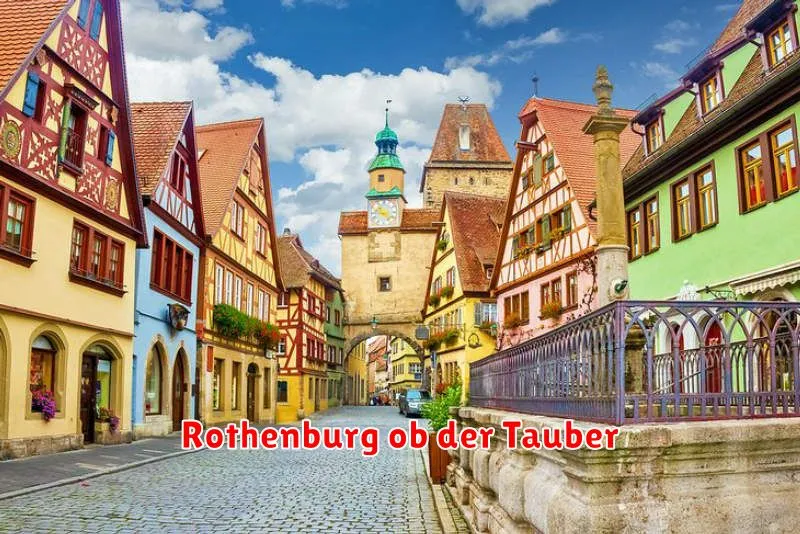
Nestled in the heart of Bavaria, Rothenburg ob der Tauber is a quintessential medieval town that transports visitors back in time. Known for its well-preserved ancient walls, colorful half-timbered houses, and cobblestone streets, it offers a glimpse into Germany’s past like no other place.
The Enchanting Old Town
One of the main attractions of Rothenburg ob der Tauber is its Old Town (Altstadt). Walking through its narrow lanes, you’ll encounter an architectural tapestry that dates back to the Middle Ages. Key spots to explore include the Market Square (Marktplatz), where the Town Hall is located, and the iconic Plönlein, a postcard-perfect spot where two timbered houses create a picturesque fork in the road.
The charm of Rothenburg is further amplified by its many seasonal events. The Christmas Market held annually is particularly famous, offering an enchanting holiday experience with festive lights, traditional crafts, and delicious German treats like gingerbread and mulled wine.
Historical Sites and Museums
Rothenburg ob der Tauber houses several fascinating museums, such as the Medieval Crime and Justice Museum (Mittelalterliches Kriminalmuseum), which provides insights into the justice system of the past with its collection of instruments and documents.
- St. James’s Church (St. Jakob): A stunning example of Gothic architecture featuring an exquisite altar by the renowned woodcarver Tilman Riemenschneider.
- Town Walls: Nearly entirely intact, visitors can walk along these fortifications for a bird’s eye view of the town.
- Rothenburg’s Night Watchman Tour: Join a guided tour for an engaging narrative of the town’s history.
Local Cuisine
While exploring Rothenburg, savor its culinary delights. Try a traditional Franconian meal or the famous Schneeballen (snowball), a pastry dusted with powdered sugar or coated with chocolate, found in many quaint bakeries throughout the town.
Whether you are wandering through its dreamy streets or indulging in its historic allure, Rothenburg ob der Tauber is a must-visit destination for any traveler seeking a true taste of Germany’s past.
