

Embark on an unforgettable journey through the heart of Europe by exploring the 10 best places to visit in the Czech Republic. Known for its stunning architecture, rich history, and vibrant culture, the Czech Republic promises an adventure that will captivate every traveler’s heart. Whether you’re a history buff longing to walk through ancient castles or a nature lover eager to wander through picturesque landscapes, this enchanting country has something for everyone.
Nestled in the center of Europe, the Czech Republic is a treasure trove of historical landmarks and breathtaking scenery. From the fairy-tale streets of Prague to the serene beauty of Český Krumlov, each destination offers its unique story waiting to be discovered. Join us as we take you on a journey not just through places, but through time itself, uncovering the rich tapestry of culture and heritage that makes the Czech Republic a must-visit destination.
Prague Castle
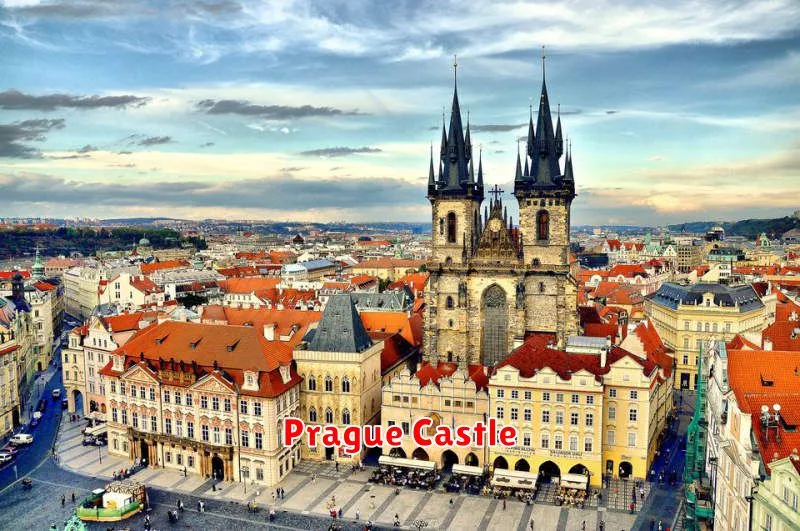
If you are embarking on a tour of the Czech Republic, Prague Castle should undoubtedly be at the top of your itinerary. As a symbol of the country’s rich history and cultural significance, Prague Castle is a cornerstone of Czech national pride and beauty. Nestled in the heart of the capital, it serves as a mesmerizing gateway into the past.
A Journey Through Time
Prague Castle stretches across 70,000 square meters, making it the largest ancient castle complex in the world. Its foundations were laid in the 9th century, and since then, it has witnessed the rise and fall of empires, serving as the seat of power for kings, emperors, and now the Czech president. Its architectural styles range from Romanesque and Gothic to Renaissance and Baroque, each telling a unique story of the eras they represent.
Must-See Attractions
- St. Vitus Cathedral: A Gothic masterpiece that dominates the skyline, housing the tombs of many Bohemian kings and Holy Roman Emperors.
- Old Royal Palace: Known for the Vladislav Hall, it has been a witness to many historic events, including royal coronations.
- Golden Lane: A picturesque, narrow street lined with small, colorful houses that once housed castle marksmen and goldsmiths.
- The Basilica of St. George: The oldest surviving church within the castle grounds, showcasing Romanesque architecture.
Visitor Information
Prague Castle is open to visitors throughout the year, with varying seasonal hours. It’s recommended to allow at least a half day to explore the grounds fully and to make use of the comprehensive guided tours available, offering deeper insights into its storied past.
| Season | Opening Hours |
|---|---|
| Summer | 6:00 – 22:00 (Castle Grounds) |
| Winter | 6:00 – 19:00 (Castle Grounds) |
With its grandeur and splendor, Prague Castle stands not just as a historical monument, but as a living museum, embodying the spirit and resilience of the Czech people through the ages.
Charles Bridge
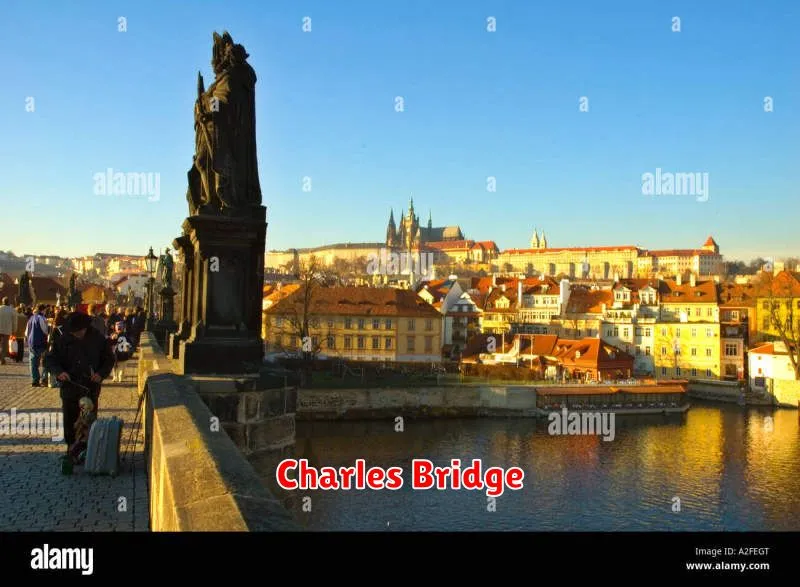
The Charles Bridge is a quintessential symbol of Prague, extending over the serene waters of the Vltava River. Its construction began in 1357 under the auspices of King Charles IV, a key figure in Bohemian history, and it was completed in the early 15th century.
Architectural Masterpiece
This stunning medieval bridge is an architectural masterpiece that is adorned with an impressive array of 30 baroque statues. Each statue tells a story, adding an air of mystique and history to this already enchanting structure.
A Walk Through History
As you stroll along its 621 meters, you’ll not only be tracing the footsteps of emperors and kings but also those of adventurers and artists from centuries past. The bridge’s cobblestone paths are alive with history, inviting you to step back in time.
Fascinating Facts
- The bridge originally had its towers gold-plated, symbolizing its significance and prosperity.
- It’s considered good luck to touch the statue of Saint John of Nepomuk; his tragic story adds to the bridge’s deep cultural lore.
- For over 400 years, Charles Bridge was the only means of crossing the Vltava River in Prague, showing its critical role in the city’s development.
Visiting Charles Bridge at different times of the day offers unique experiences. In the early morning light, it exudes a serene atmosphere perfect for contemplation, while in the evening, the view of the Prague Castle in the distance is breathtaking against a backdrop of the setting sun.
Old Town Square
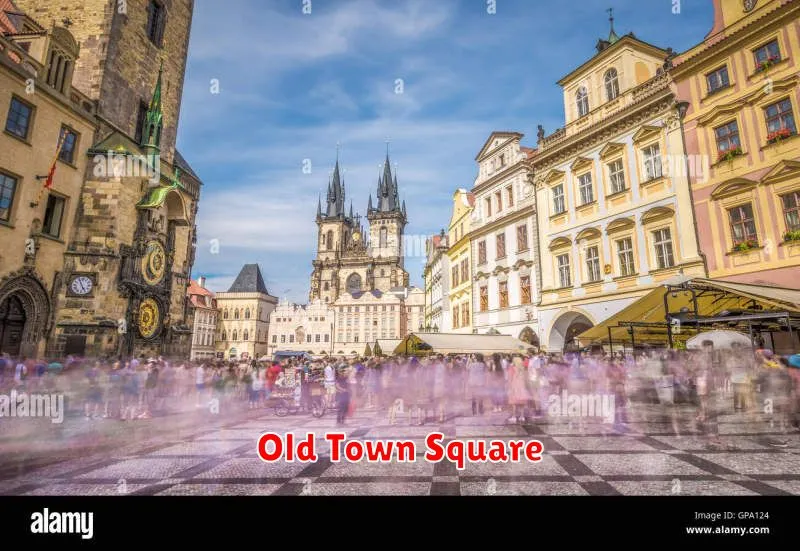
The Old Town Square in Prague is a place where history comes alive amidst stunning architecture and vibrant culture. Located in the heart of the city’s Old Town, it has been a significant part of Prague since the 12th century. This iconic square is a must-visit for anyone exploring the Czech Republic.
Historical Significance
Old Town Square has been a witness to many historical events over the centuries. It served as a marketplace as far back as the 1100s and has been the setting for countless public gatherings. Visitors can feel the square’s rich history as they wander through its cobbled streets, surrounded by buildings that tell stories of a bygone era.
Architectural Marvels
The square is flanked by stunning architectural gems. To the east is the Church of Our Lady before Týn, known for its towering Gothic spires. Meanwhile, the Old Town Hall, with its famous Astronomical Clock, offers a glimpse into the ingenuity of medieval craftsmanship. Every hour, crowds gather to watch the clock’s hourly show—a beautiful reminder of the artistry of the past.
Features of the Square:
- Astronomical Clock: Installed in 1410, it is the third-oldest astronomical clock in the world and the oldest one still operating.
- Church of Our Lady before Týn: A Gothic church that dominates one side of the square, with twin towers that can be seen from miles around.
- St. Nicholas Church: A baroque pearl that offers a serene escape and occasional concerts for visitors.
- Jan Hus Memorial: An imposing statue that commemorates the religious reformer Jan Hus, a national hero.
Vibrant Atmosphere
Old Town Square is not just a haven for history buffs but also a bustling hub for tourists and locals alike. Street performers, artists, and musicians add to the lively atmosphere, while various cafes provide the perfect spot to relax and take in the view. During the holiday season, the square transforms with lively Christmas markets, making it even more magical.
Whether you’re sipping a coffee at an outdoor cafe or taking photos of the gothic architecture, Old Town Square offers an experience that is both enriching and unforgettable.
Sedlec Ossuary
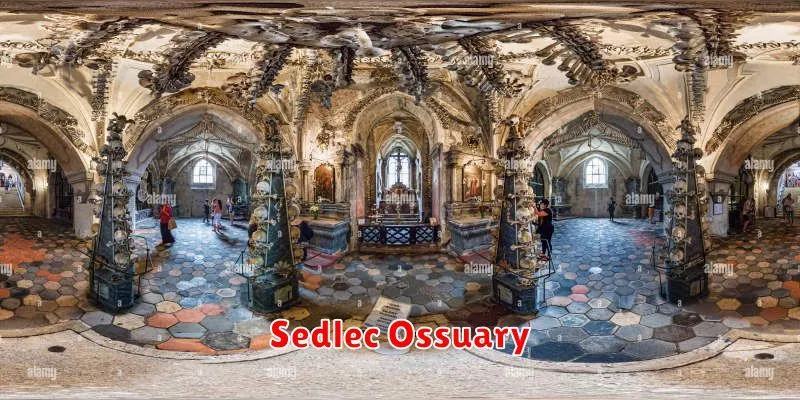
Located in the small town of Kutná Hora, the Sedlec Ossuary is one of the most unusual, yet fascinating places you can visit in the Czech Republic. Commonly known as the “Bone Church,” this Roman Catholic chapel is adorned with the bones of approximately 40,000 to 70,000 people. The bones are artfully arranged to form decorations such as chandeliers, coats of arms, and other unique artistic creations.
Historical Background
The ossuary’s history dates back to the 13th century when an abbot from Sedlec scattered some holy soil brought back from Golgotha around the abbey’s cemetery, making it a highly sought-after burial site in Central Europe. After centuries of expansion, the cemetery had to be reduced, and the bones of those displaced were moved into the ossuary and arranged into ornate displays, a task carried out by a half-blind monk in 1511.
The macabre allure of Gothic art
What makes Sedlec Ossuary stand out is its unique blend of gothic architecture and grim artistry. The ossuary was renovated in the 18th century under the direction of Czech artisan František Rint, who was responsible for transforming the skeletons into mesmerizing adornments that continue to draw visitors from around the world.
Visitor Information
If you plan to visit, Sedlec Ossuary is conveniently located about an hour’s drive from Prague. A trip here is not only haunting but deeply engaging, providing an extraordinary look into the artistic and historical significance of medieval Europe. Before visiting, it’s advised to check the opening hours and any specific visitor guidelines to enhance your experience.
| Item | Details |
|---|---|
| Location | Kutná Hora, Czech Republic |
| Established | 13th century |
| Notability | Contains over 40,000 human skeletons arranged in artistic forms |
- Famous for its chandelier prepared from bones.
- Considered a masterpiece of macabre art.
- A registered UNESCO World Heritage site in Kutná Hora.
Karlovy Vary
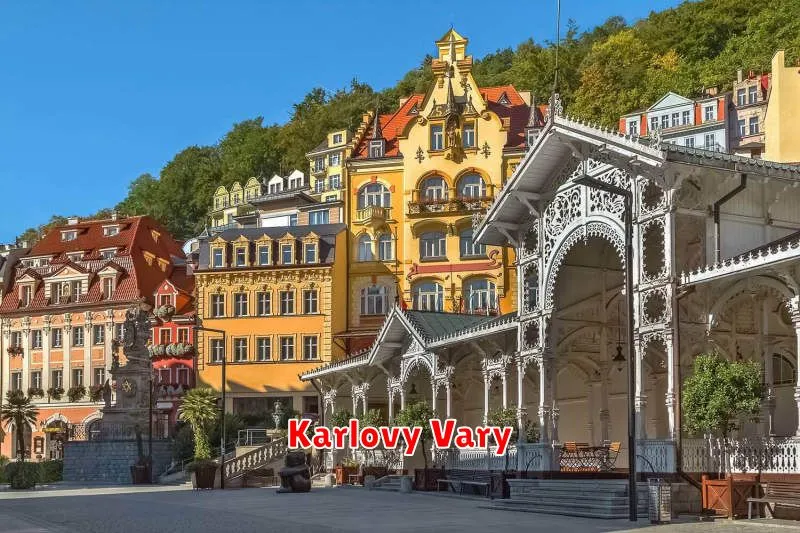
Nestled in the heart of the Czech Republic, Karlovy Vary, also known as Carlsbad, is a world-renowned spa town that captivates visitors with its enchanting landscapes and luxurious wellness offerings. Famous for its thermal springs, the town provides a perfect retreat for those looking to relax and rejuvenate.
Rich History and Stunning Architecture
The history of Karlovy Vary dates back to the 14th century when it was founded by Charles IV, the King of Bohemia and the Holy Roman Emperor. This picturesque town is home to a plethora of beautifully preserved historic buildings featuring Baroque and Renaissance architecture, giving visitors a glimpse into the past eras of European grandeur.
A Haven for Wellness and Spa Enthusiasts
Karlovy Vary boasts numerous spas that offer a variety of treatments using the town’s natural mineral springs. Visitors can enjoy therapies that have been perfected over centuries, purported to cure ailments and promote well-being. The Hot Spring Colonnade is one of the town’s most famous attractions, known for its impressive array of springs available for public use.
Must-Visit Sites in Karlovy Vary
- Mill Colonnade: A grand colonnade offering a scenic stroll while sipping the healing waters.
- Diana Observation Tower: Offers panoramic views of the lush forests surrounding Karlovy Vary.
- Becherovka Museum: Discover the secrets behind the town’s signature herbal liqueur, Becherovka.
Karlovy Vary is not only a destination for those seeking to unwind but also for those eager to explore the exquisiteness of Czech spa culture and its historical depth. Whether you are indulging in spa treatments, exploring its striking architecture, or savoring the unique flavors of Bohemian delights, Karlovy Vary promises an unforgettable experience.
Cesky Krumlov
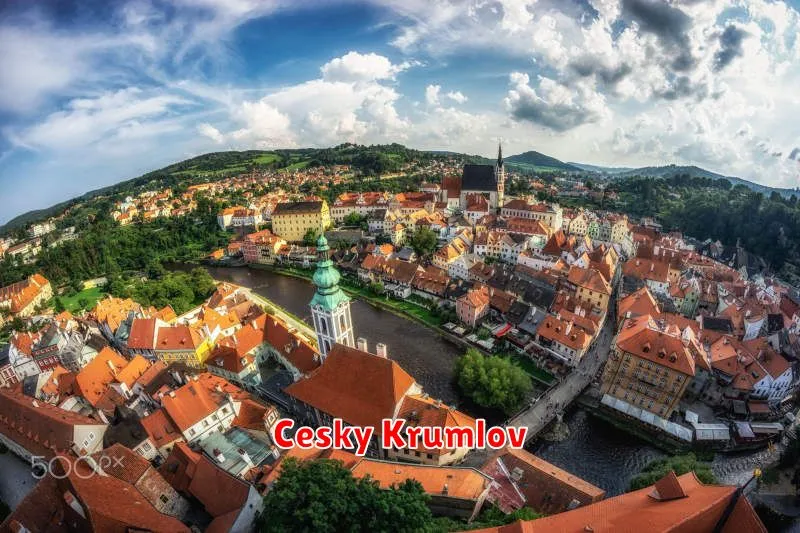
Nestled in the heart of South Bohemia, Cesky Krumlov is a picturesque town that feels like it jumped straight out of a fairy tale. With its well-preserved medieval architecture and charming cobblestone streets, this enchanting town offers visitors a glimpse into the past.
A Stroll Through History
One of the most captivating aspects of Cesky Krumlov is its ability to transport visitors back in time. As you wander through the narrow alleyways, you’ll find yourself surrounded by Gothic, Renaissance, and Baroque structures that have stood for centuries. The town’s most iconic landmark, the Cesky Krumlov Castle, dominates the landscape and offers stunning views of the Vltava River as it winds through the town.
Art and Culture
Art enthusiasts will enjoy the Egon Schiele Art Centrum, a museum dedicated to the work of the Austrian painter Egon Schiele, who had strong ties to the town. The museum showcases a rotating selection of exhibitions, offering a deep dive into European art history.
Gastronomic Delights
Visitors to Cesky Krumlov can indulge in a wide array of culinary delights. From traditional Czech cuisine in medieval-style taverns to modern cafes serving international dishes, the town caters to all tastes. Don’t miss trying local specialties such as Svíčková, a marinated beef dish served with creamy sauce and dumplings.
Quick Facts:
- Founded: 13th Century
- UNESCO World Heritage Site: Since 1992
- Population: Approximately 13,000
- Main Attractions: Cesky Krumlov Castle, Baroque Theatre, Egon Schiele Art Centrum
Events and Festivals
Cesky Krumlov hosts numerous events throughout the year. The annual Five-Petalled Rose Festival is a highlight, featuring historical reenactments, parades, and traditional crafts, celebrating the town’s rich heritage and vibrant culture.
Whether you’re a history buff, an art lover, or simply looking to immerse yourself in the unique atmosphere of a small Czech town, Cesky Krumlov promises an unforgettable experience.
Brno
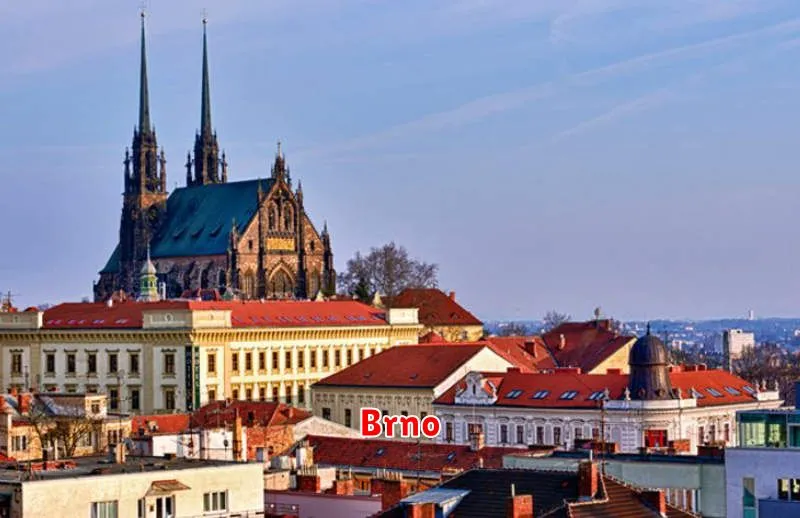
Welcome to Brno, the second largest city in the Czech Republic, a place where modernity meets tradition! Known for its vibrant cultural scene and striking architecture, Brno is a must-visit destination for anyone looking to explore the heart of the country.
A Glimpse into the Past
The city boasts a rich historical tapestry, with landmarks dating back centuries. One of the most significant sites is the Špilberk Castle, perched high on a hill overlooking the city. Originally constructed in the 13th century as a royal castle, it later became a feared prison and is now a museum where visitors can delve into the city’s tumultuous past.
Modern Marvels
Despite its historical allure, Brno is also a city of innovation and modernity. The Villa Tugendhat, a masterpiece of functionalist architecture and a UNESCO World Heritage Site, is a prime example of Brno’s architectural significance in the 20th century. Don’t miss the Moravian Karst nearby, a natural wonder featuring over a thousand caves and gorges, perfect for adventure enthusiasts.
Festivals and Events
Brno’s calendar is filled with exciting events and festivals. The Ignis Brunensis is a spectacular fireworks competition held annually, lighting up the skies and drawing crowds from all over Europe. Additionally, the city’s bustling Christmas markets and the vibrant Brno International Music Festival showcase its cultural diversity and festive spirit.
Local Delicacies
No trip is complete without indulging in the local cuisine. Be sure to try the traditional Moravian dishes such as Svíčková, a delicious marinated beef dish. Pair it with a locally brewed beer to experience Brno’s culinary delights.
| Landmark | Type | Historical Significance |
|---|---|---|
| Špilberk Castle | Historical Site | 13th century royal and prison |
| Villa Tugendhat | Architectural Site | UNESCO World Heritage |
| Moravian Karst | Natural Site | Over a thousand caves |
Kutna Hora
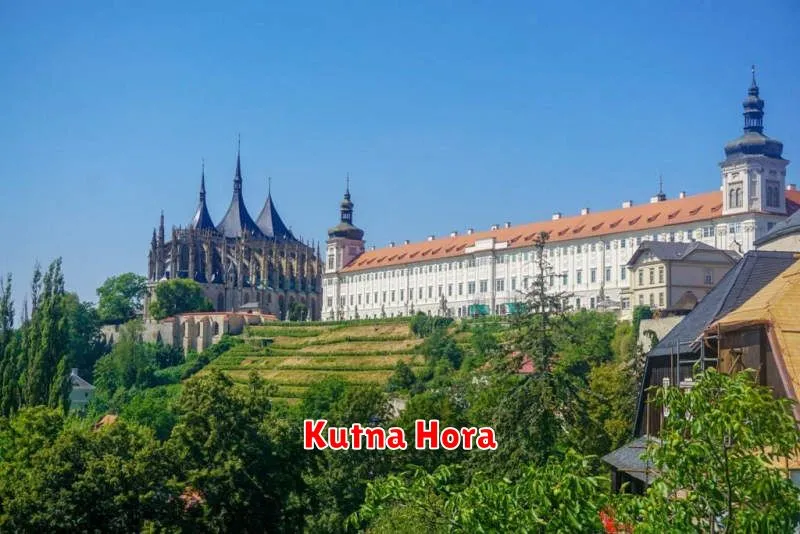
Known for its stunning architecture and rich history, Kutna Hora is a must-visit destination in the Czech Republic. This small town holds a significant place in the country’s past due to its once-prosperous silver mines, which contributed immensely to Bohemia’s wealth in medieval times.
The UNESCO World Heritage Site: St. Barbara’s Church
One of the most recognized landmarks is St. Barbara’s Church, a UNESCO World Heritage Site. This Gothic masterpiece, with its intricate flying buttresses and remarkable frescoes, is a testament to the town’s affluent history. The construction of the church began in 1388 and reflects the ambitions and wealth of the miners who once thrived in this region.
The Macabre Attraction: Sedlec Ossuary
For those intrigued by the macabre, the Sedlec Ossuary offers a unique experience. This small chapel, adorned with the bones of tens of thousands of people, creates an eerie yet fascinating atmosphere. It serves as a somber reminder of the town’s past and the cyclical nature of life and death.
The Historic Center
Walking through Kutna Hora’s historic center, visitors can appreciate its breathtaking blend of Gothic, Baroque, and Renaissance architecture. The cobbled streets are perfect for a leisurely stroll, providing ample opportunity to explore quaint shops and enjoy local culinary delights.
Quick Facts
| Founded | Significance | Main Attractions |
|---|---|---|
| 12th century | Major silver mining hub | St. Barbara’s Church, Sedlec Ossuary, Italian Court |
Whether you’re an aficionado of history or simply looking to experience the charm of Czech towns, Kutna Hora offers a perfect blend of historical intrigue and architectural delight.
Pilsen
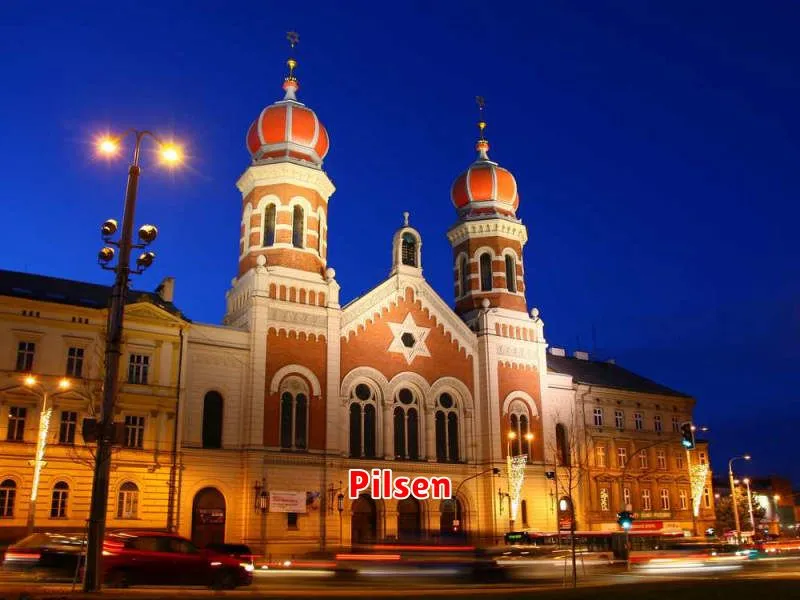
In the heart of the Bohemian region, lies Pilsen, a city renowned for its exceptional beer culture. Known as the birthplace of the globally acclaimed Pilsner Lager, Pilsen offers visitors an immersive experience into the world of traditional brewing.
The Home of Pilsner Lager
Founded in 1842, the Pilsner Urquell Brewery remains a focal point for beer aficionados. Visitors can embark on a guided tour here, exploring the historic cellars and learning about the intricate brewing process that gives the Pilsner its distinctive taste. The brewery’s tour is a must-do activity to truly understand the heritage of Czech beer.
Pilsen’s Cultural Offerings
Pilsen isn’t just about beer; it’s also a vibrant cultural hub. The city was the European Capital of Culture in 2015, evidence of its rich array of museums, galleries, and theaters. The Great Synagogue, one of the largest in the world, is a testament to the city’s diverse cultural influences.
The Pilsen Historical Underground, a maze of passageways and tunnels, offers a fascinating glimpse into the city’s past. For families, the Techmania Science Center provides interactive exhibits to engage both young and old minds.
Annual Events and Festivals
Pilsen hosts a variety of events throughout the year. The Pilsner Fest is a notable celebration that draws thousands, featuring live music and, of course, ample opportunities to enjoy some of the finest brews.
| Event | Date | Description |
|---|---|---|
| Pilsner Fest | Twice a year | A celebration of Pilsner beer featuring music, culture, and brewery tours. |
| Pilsen International Sculpture Symposium | Biennially | An exhibition of sculptures from international artists, focused on contemporary creations. |
Konopiste Chateau
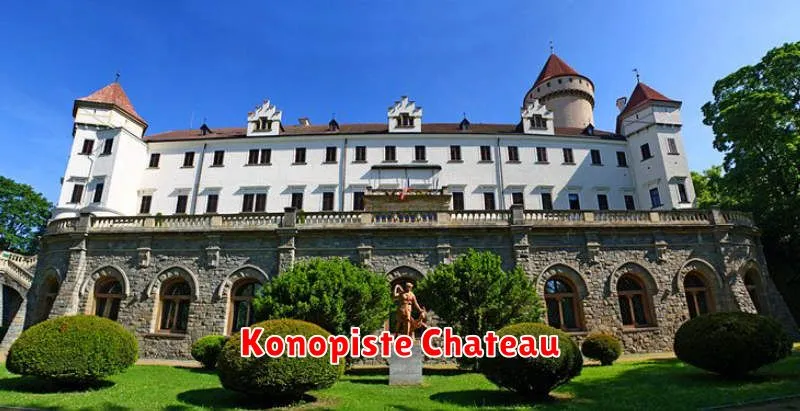
Nestled amidst the serene landscapes of the Czech Republic, Konopiste Chateau is more than just an architectural marvel; it’s a gateway to the past. Located just 50 kilometers southeast of Prague, this historic chateau invites visitors to step into the lives of European aristocracy.
Historical Background
Originally built as a Gothic fortress in the late 13th century, Konopiste Chateau has undergone several transformations. Its most significant renovation took place in the late 19th century when Archduke Franz Ferdinand of Austria, the heir to the Austro-Hungarian throne, purchased it. Infusing the chateau with the elegance of the times, he converted it into a lavish hunting lodge.
Features and Attractions
Visitors to Konopiste can explore the chateau’s museums and galleries, which boast an extraordinary collection of weapons, medieval armor, and hunting trophies. The interior of the chateau is adorned with a multitude of art pieces, including paintings and statues that reflect the Archduke’s refined taste.
- Armory: Featuring one of Europe’s largest private collections of historical weapons.
- Rose Garden: A beautifully maintained section of the estate, ideal for leisurely walks.
- St. George Shooting Gallery: A place demonstrating the Archduke’s passion for hunting.
The grounds of the chateau are equally captivating. The expansive parkland surrounding Konopiste boasts lush greenery and scenic water features. Nature enthusiasts can enjoy trails that offer both tranquility and a sense of exploration.
Visitor Information
| Feature | Availability |
|---|---|
| Guided Tours | Available daily, with limited slots on weekends |
| Opening Hours | April – October: 9 AM – 5 PM; November – March: Limited hours |
| Admission Fee | Varies by tour selection |
Whether you’re a history buff, an art lover, or someone seeking a picturesque picnic spot, Konopiste Chateau offers a richly rewarding experience. Its stunning architecture and fascinating history make it a must-visit destination in the Czech Republic.
