
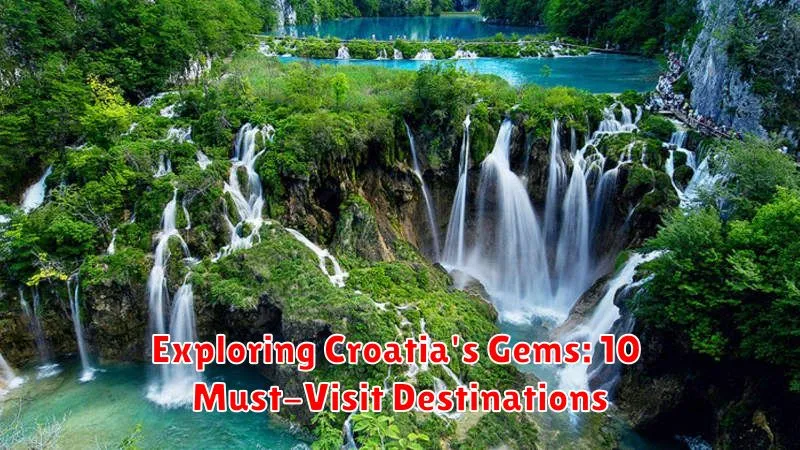
Welcome to Croatia, a stunning country located in the heart of Europe, known for its dramatic coastline, historic sites, and vibrant culture. In this captivating article, we invite you to explore “Croatia’s Gems”, as we take you on a journey through the 10 Must-Visit Destinations scattered across this diverse landscape. Whether you are an avid traveler seeking adventure or a history enthusiast wanting to dive deep into the past, Croatia offers an array of experiences that promise to delight and inspire.
From the picturesque streets of Dubrovnik, often called the “Pearl of the Adriatic”, to the breathtaking landscapes of Plitvice Lakes National Park, Croatia is a treasure trove waiting to be explored. Each destination boasts its own unique charm, offering a perfect blend of old-world allure and modern attractions. Join us as we unveil the top spots that should be on every traveler’s itinerary, guiding you through the history, culture, and natural beauty that make Croatia a must-visit destination for wanderlusters from around the globe.
Dubrovnik
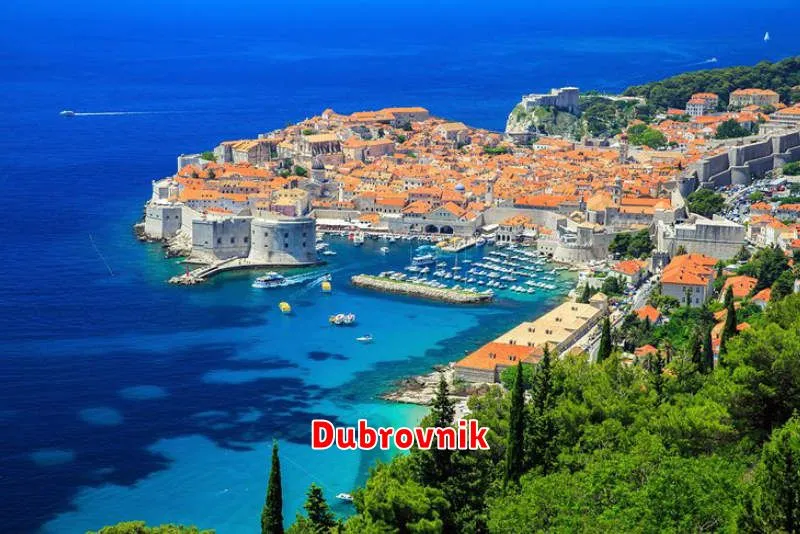
Often referred to as the “Pearl of the Adriatic,” Dubrovnik stands as a magnificent testament to Croatia’s rich history and stunning natural beauty. This enchanting city, with its well-preserved medieval architecture, offers a glimpse into the past that few places in the world can rival.
City Walls: A Walk Back in Time
One of Dubrovnik’s most iconic features is its impressive city walls, stretching nearly 2 kilometers around the old town. These fortifications, dating back to the 16th century, provide visitors with panoramic views of the Adriatic Sea and the city’s terracotta rooftops. Walking these walls is an immersive experience that every traveler should add to their bucket list.
Stradun: The Heart of Dubrovnik
The main street, known as the Stradun, is the bustling heart of Dubrovnik. This limestone-paved avenue glistens beautifully under the Mediterranean sun and is lined with charming cafes, shops, and historical landmarks. Whether you’re enjoying a sip of coffee or shopping for unique souvenirs, Stradun is the perfect place to soak in the city’s lively atmosphere.
Historical Sights
- Rector’s Palace: A stunning Gothic-Renaissance palace now home to the Museum of Dubrovnik.
- Dubrovnik Cathedral: Known for its baroque structure and numerous religious artifacts.
- Fort Lovrijenac: An impressive fortress located on a cliff, offering breathtaking vistas.
Dubrovnik’s historical allure is further enhanced by its status as a UNESCO World Heritage Site, captivating tourists and historians alike. The city’s harmonious blend of culture, history, and natural beauty makes it a destination that’s not only unforgettable but truly compelling to explore.
Split
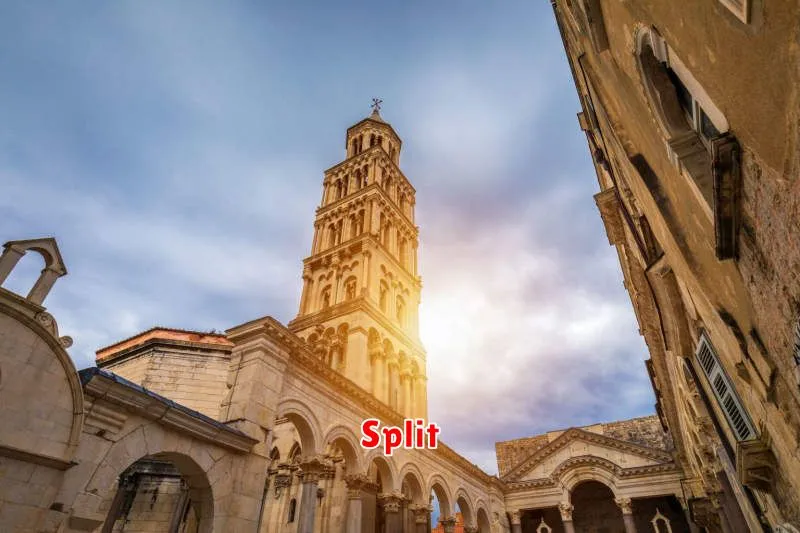
Split, the vibrant heart of Dalmatia, is a stunning blend of ancient history and modern life. It’s Croatia’s second-largest city, yet retains a laid-back charm that entices travelers year-round.
Historical Splendor
The epicenter of Split is undoubtedly the Diocletian’s Palace, a UNESCO World Heritage site. Built for the Roman emperor Diocletian at the turn of the fourth century AD, the complex covers nearly half of Split’s old town. As you wander through its narrow alleys, bustling squares, and quaint cafes, you’ll find a fascinating juxtaposition of ancient and contemporary.
Vibrant Culture
Split is more than just history. The city brims with a lively cultural scene, from vibrant street performances to regular festivals celebrating everything from film to food. Locals and tourists alike gather at the Riva, the city’s waterfront promenade, which serves as the perfect spot for a leisurely stroll or to sip coffee while enjoying the Adriatic views.
Culinary Delights
Foodies will find themselves in paradise with the huge array of gastronomic delights. Be sure to try the local specialties like pasticada (a stewed beef dish) or fresh seafood caught daily from the Adriatic Sea. A visit to the bustling Pazar (market) is also a must for fresh produce and authentic Croatian treats.
Adventure Awaits
For those seeking adventure, Split offers plenty of options. From hiking on the nearby Marjan Hill to exploring the crystal-clear waters of the surrounding islands, there’s no shortage of activities to satisfy an active traveler’s spirit.
| Activity | Recommended Spot |
|---|---|
| Hiking | Marjan Hill |
| Beach Relaxation | Bacvice Beach |
| Historical Exploration | Diocletian’s Palace |
| Cultural Experience | Riva Promenade |
Hvar
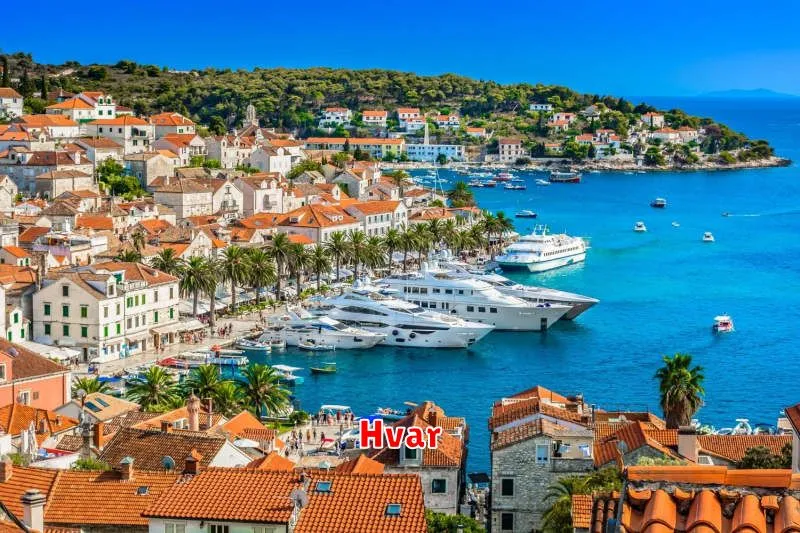
Discover the island of Hvar, Croatia’s sunniest spot nestled in the stunning Adriatic Sea. Known for its vibrant nightlife, exquisite beaches, and rich historical heritage, Hvar is a destination that appeals to both nature lovers and history enthusiasts.
Beaches and Nature
The island boasts some of the most beautiful beaches in Croatia. Sandy shores, hidden coves, and clear turquoise waters invite visitors to unwind and soak up the sun. Popular spots include Dubovica Beach and Soline Bay.
Nature enthusiasts can also explore the lush vineyards and fragrant lavender fields. Hiking trails offer panoramic views of the island’s breathtaking landscape, making it a haven for both leisure and adventure seekers.
Vibrant Nightlife
As the sun sets, Hvar transforms into a buzzing hotspot for nightlife. The island offers an array of stylish bars, clubs, and restaurants where visitors can enjoy lively entertainment and excellent cuisine. Whether dancing the night away at Carpe Diem or sipping cocktails at a seaside bar, the options are endless.
Historical Treasures
Hvar’s history is rich and storied, with traces of its past visible in its architecture. Wander the narrow streets of Hvar Town and discover landmarks like the 13th-century Fortica Fortress, which offers breathtaking views over the town and marina.
Quick Facts
- Location: Off the Dalmatian coast
- Getting There: Accessible by ferry from Split
- Best Time to Visit: Late spring to early autumn
Plitvice Lakes National Park
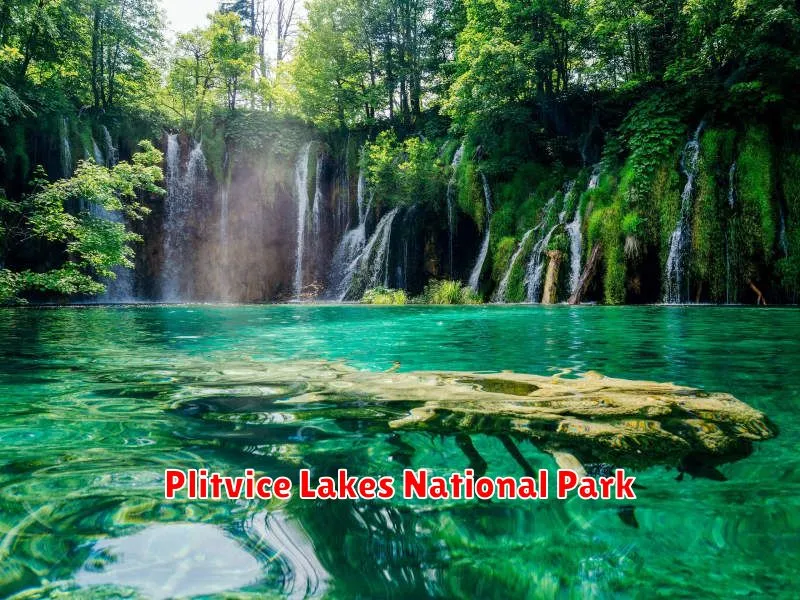
Nestled in the heart of Croatia, Plitvice Lakes National Park is a stunning natural wonder that every traveler should add to their itinerary. Known for its cascading lakes and lush greenery, this park offers a serene experience that contrasts with the ornate architecture and bustling cities found elsewhere in the country.
A UNESCO World Heritage Site
One of the major attractions of Plitvice Lakes National Park is its status as a UNESCO World Heritage Site, acknowledging its global importance and exceptional natural beauty. With well-maintained walking trails, visitors can explore and enjoy the park while witnessing the vibrant hues of the lakes, ranging from azure to emerald green.
Explore the Enchanting Lakes
The park features a series of interconnected lakes, divided into the Upper and Lower Lakes. They are fed by numerous small rivers and streams, creating breathtaking waterfalls and mesmerizing water transitions. Here’s a glimpse of the park’s structure:
| Lakes | Description |
|---|---|
| Upper Lakes | Consist of twelve lakes, known for their spectacular waterfalls and silence. |
| Lower Lakes | Comprise four lakes, where intricate caves and beautiful rock formations are prominent. |
Best Time to Visit
While the park is open year-round, each season offers a distinct charm. Spring and summer present lush landscapes and vibrant flora, whereas the autumn showcases the park in a spectrum of golden reds. Winter, albeit colder, envelopes the park in a mystical, snow-covered silence perfect for photography enthusiasts.
Plitvice Lakes National Park exemplifies Croatia’s natural beauty and a visit here promises not only incredible sights but also a tranquil escape from the mundane.
Rovinj
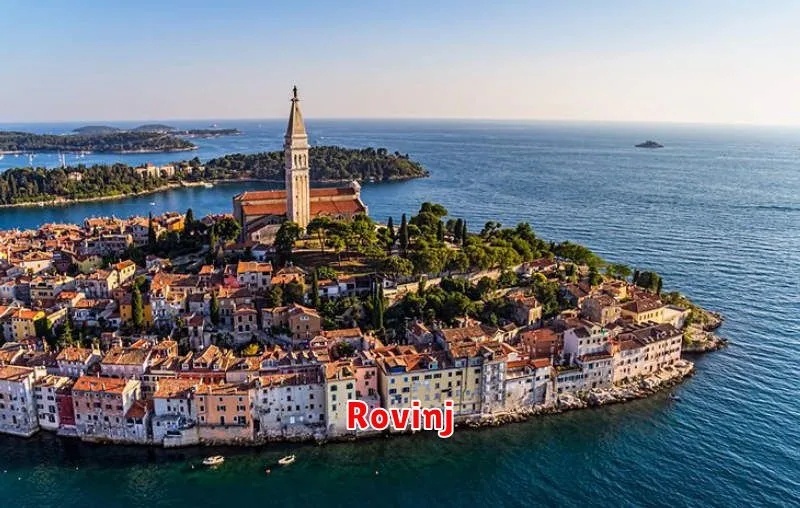
Situated on Croatia’s Adriatic coast, Rovinj is an enchanting town that will capture your heart with its blend of historical charm and coastal beauty. This picturesque destination is a standout feature of Croatia’s famous Istrian Peninsula.
The Old Town
The Old Town of Rovinj is a labyrinth of cobbled streets, colorful buildings, and inviting shops and cafes. As you wander through, you’ll find yourself transported back in time to a period when Rovinj was an important center for trade and maritime activity.
Architectural Highlights
Look out for the St. Euphemia’s Church, a Baroque masterpiece that crowns the town with its impressive bell tower offering stunning views over the Adriatic Sea. The church is dedicated to Rovinj’s patron saint and is a central symbol of the city’s rich history.
The narrow streets of Rovinj are filled with charming art galleries and artisanal boutiques. These unique shops offer a chance to pick up beautiful souvenirs, handmade crafts, and local products like olive oil and truffles that reflect Istria’s culinary heritage.
Seaside Adventures
Beyond its historical appeal, Rovinj is also a gateway to the crystal-clear waters of the Adriatic Sea. Whether you prefer lounging at one of the many pristine beaches or taking a boat trip to explore the nearby islands of the Rovinj archipelago, the coastal surroundings offer something for everyone.
Food and Cuisine
Being in Rovinj also means indulging in the rich gastronomic delights of the region. Try the local seafood, often described as among the finest in the Mediterranean, combined with Italy-influenced pasta dishes that offer an exquisite culinary experience.
Festivals and Events
Rovinj hosts a variety of cultural events and festivals throughout the year. The Rovinj Jazz Festival and the Rovinj Photodays are just two examples of how the town’s vibrant culture extends beyond its architectural marvels.
| Highlight | Why Visit |
|---|---|
| St. Euphemia’s Church | Stunning views and historical significance |
| Old Town Streets | A journey through history and culture |
| Rovinj Archipelago | Ideal for boating and island exploration |
| Local Cuisine | A mix of Mediterranean flavors and local specialties |
Zagreb
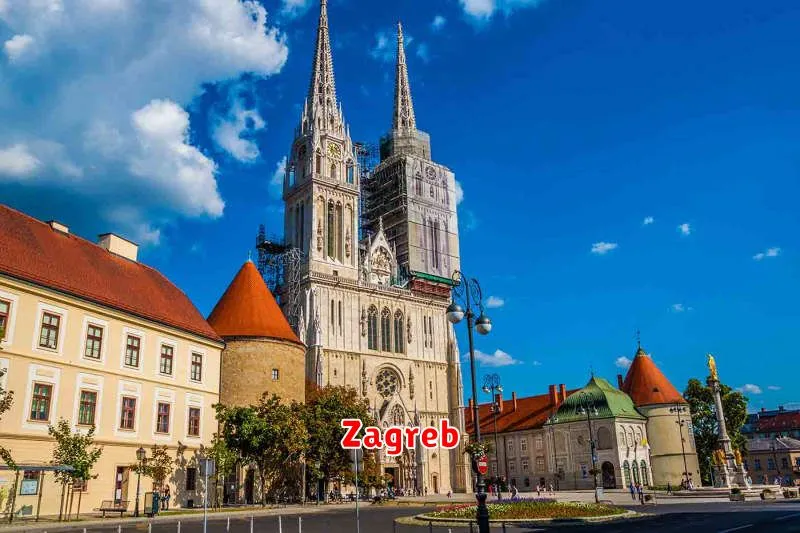
Zagreb, the vibrant capital of Croatia, offers a unique blend of historic charm and contemporary culture. Nestled in the northwestern part of the country, this city is an excellent starting point for any journey through Croatia. With its eclectic mix of architectural styles, including Austro-Hungarian buildings, art deco, and modernist architecture, Zagreb is a city that stands out.
Historic Upper Town (Gornji Grad)
The city’s historic heart lies in the Upper Town, known locally as “Gornji Grad.” Meandering through its cobbled streets, visitors will discover ornate churches, quaint boutiques, and local cafés offering traditional Croatian delights. Don’t miss the iconic St. Mark’s Church, famous for its colorful tiled roof, depicting the coats of arms of Zagreb and Croatia.
Vibrant Lower Town (Donji Grad)
The Lower Town, or “Donji Grad,” is the modern counterpart to the Upper Town and hosts bustling markets, grand government buildings, and leafy parks. The main square, Ban Jelačić, is a popular meeting point and a lively spot where local life unfolds. Nearby, the Zrinjevac Park offers a peaceful retreat amid fountains and historical sculptures.
Notable Attractions
| Attraction | Description |
|---|---|
| Lotrščak Tower | Offers a panoramic view of the city from its top, where a cannon is fired each day at noon. |
| Dolac Market | Known as “the belly of Zagreb,” it’s the city’s favorite place to shop for fresh produce. |
| Art Pavilion | A significant gallery housing exhibitions from famous Croatian and international artists. |
Visitors can also dive into the city’s numerous museums, including the Museum of Broken Relationships, which presents an imaginative take on modern storytelling through personal objects left behind after breakups. For those interested in more traditional art, the Mimara Museum houses a vast collection spanning centuries and styles.
Culinary Delights
Zagreb’s cuisine is a delightful fusion of Mediterranean and central European flavors. Savoring local dishes like štrukli, a cheese-filled pastry, or indulging in freshly prepared fish and meats is a must on any visit. The myriad of trendy bars and cozy restaurants ensures there is something for every palate.
With its rich heritage and modern allure, Zagreb stands as a cornerstone of Croatian culture and an essential stop for any traveler eager to uncover the diverse landscapes and stories Croatia has to offer.
Istria
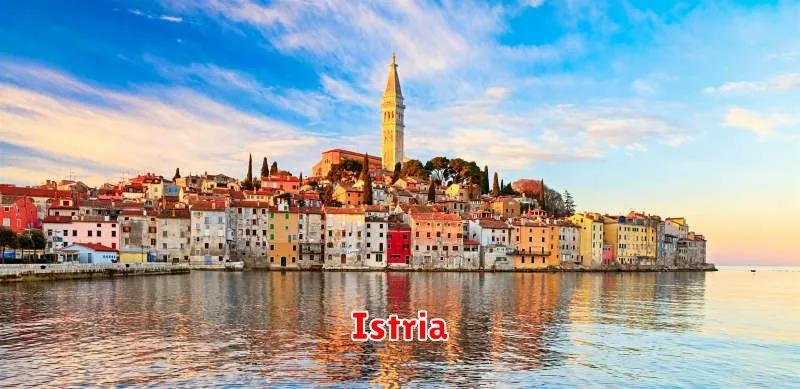
Nestled in the north-western corner of Croatia, Istria is a captivating peninsula that offers a unique blend of history, culture, and natural beauty. Its landscape is a harmonious marriage of rolling vineyards and olive groves, making it a paradise for gastronomes and nature lovers alike.
The Rich Tapestry of History
Walking through Istria is like strolling through the pages of history. The towns are dotted with medieval architecture, including the stunning Euphrasian Basilica in Poreč, a UNESCO World Heritage site. The charming town of Rovinj, with its pastel buildings and narrow winding streets, echoes the region’s Venetian past.
Culinary Delights
Istria is not just a feast for the eyes but also for the taste buds. Known for its truffles, the region is a haven for food enthusiasts. Don’t miss out on Istrian prosciutto, cheeses, and wines. The local Malvasia and Teran wines are a must-try for any visitor.
Natural Wonders
For those seeking outdoor adventure, the rugged coastline and lush inland provide ample opportunities for hiking and cycling. The Brijuni National Park, comprising 14 islands, offers a beautiful escape into nature, complete with Roman ruins and a safari park.
Highlights of Istria
- Visit the hilltop towns like Motovun and Grožnjan, known for their artistic vibes and breathtaking views.
- Explore the underground world of the Pazinska Jama cave.
- Savor local cooking in a konoba, a traditional tavern.
With its serene landscapes, rich history, and delectable cuisine, Istria promises an unforgettable experience, making it a highlight on any Croatian itinerary.
Mljet National Park
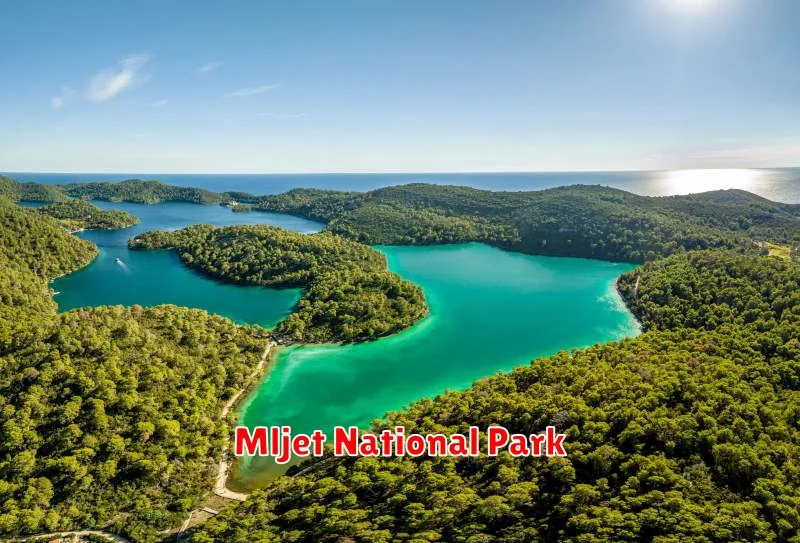
Located in the southern part of Croatia, Mljet National Park is a pristine oasis that offers a tranquil escape from the bustling tourist spots on the mainland. Often referred to as one of the most beautiful islands in the Adriatic, the park is a perfect blend of lush greenery and shimmering azure waters.
The Island’s Natural Beauty
The park covers the western third of the island of Mljet. Visitors can wander through the dense pine forests or bask by the calm, saltwater lakes of Veliko and Malo Jezero. These lakes are among the park’s most iconic features and form a distinct microcosm of natural beauty and serenity.
- Veliko Jezero: The larger of the two lakes, known for its stunning clarity and idyllic surroundings.
- Malo Jezero: The smaller lake, ideal for a quiet afternoon swim or a paddle.
Historical and Cultural Sites
For those keen on exploring historical and cultural narratives, the small island of St. Mary located within the Veliko Jezero is home to a 12th-century Benedictine monastery. This site not only offers a peek into Croatia’s religious history but also provides a beautiful viewpoint over the lake.
Activities for Outdoor Enthusiasts
Mljet National Park is a haven for outdoor enthusiasts, offering activities such as:
- Hiking: Trails meander through the park, ranging from easy walks to more challenging hikes.
- Kayaking: Explore the lakes and their serene surroundings at your own pace.
- Biking: Cycle through the island’s varied terrains, witnessing its natural splendour firsthand.
Visitors to the park are encouraged to take their time exploring its offerings, as its tranquil environment is best enjoyed at a leisurely pace, allowing one to fully immerse in the park’s natural and historical beauty.
Korcula
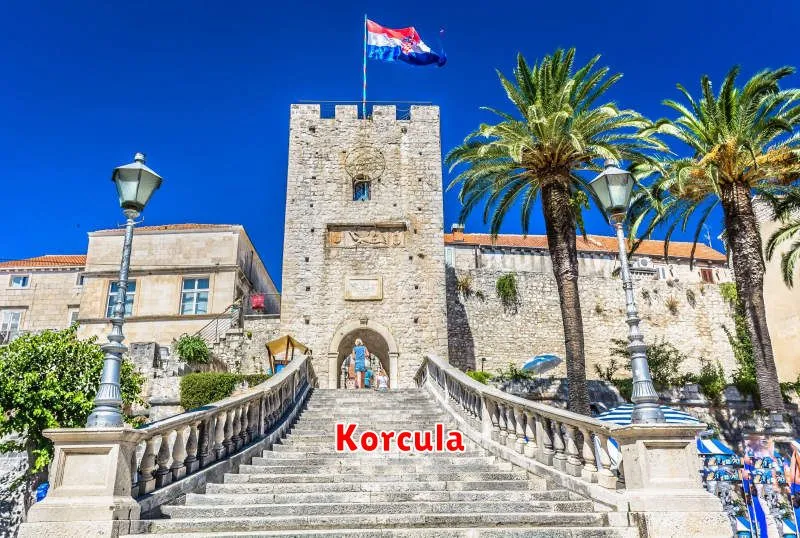
Often referred to as the emerald isle of Croatia, Korcula is a place where history meets serenity. This stunning island is known for its lush green landscapes, stunning beaches, and the well-preserved medieval town of Korcula. Many believe that this island was the birthplace of Marco Polo, making it not only a beautiful destination but also one with significant historical intrigue.
The Old Town of Korcula
At the heart of the island lies the Old Town of Korcula, a charming maze of narrow streets, ancient stone buildings, and impressive architecture. Walking through these streets feels like taking a step back in time. Its design, often compared to a fishbone pattern, served not only aesthetic purposes but also as an early form of air-conditioning, which kept the town cool during hot summer days.
Wine and Cuisine
Korcula offers a culinary journey like no other. The island is renowned for its vineyards, producing exceptional wines that are a must-try for any visiting oenophile. Make sure to savor local delicacies such as pasticada, a traditional beef stew, and brodetto, a fish stew that reflects the island’s rich maritime heritage.
Beaches and Nature
Beyond the historical sites, Korcula is home to some of the most beautiful beaches in Croatia. The beaches of Lumbarda and Prizba offer pristine sands and crystal-clear waters, perfect for relaxation or a range of water activities like kayaking and snorkeling. Nature lovers can explore the dense pine forests and vineyards that paint a picturesque backdrop to this tranquil island.
Local Festivals
For those interested in culture and tradition, Korcula hosts several local festivals that showcase its vibrant history and lively atmosphere. The Half New Year Festival in Lumbarda and the Moreška sword dance, a dramatic performance that has been part of the island’s tradition for over four centuries, are events that shouldn’t be missed.
Useful Tips
| Activity | Recommendation |
|---|---|
| Best Time to Visit | Late Spring to Early Fall |
| Local Cuisine Highlight | Try the local Pošip wine |
| Transportation | Consider renting a bike to explore the island |
Zadar
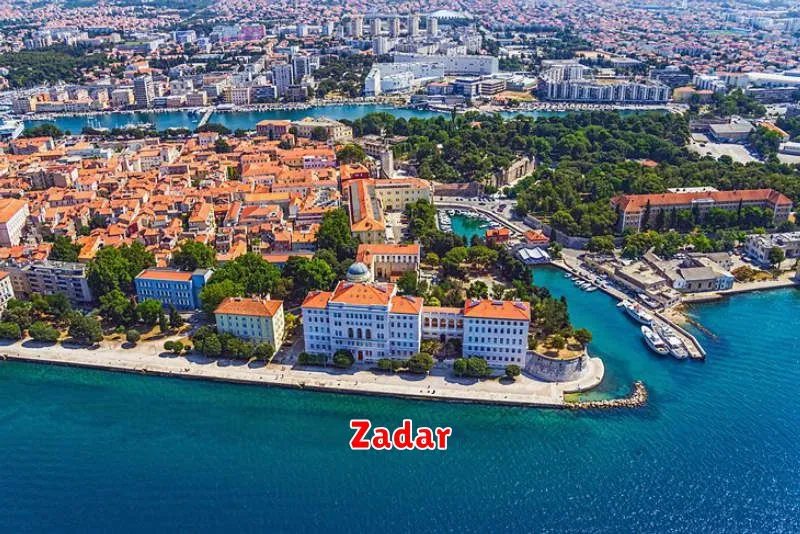
Welcome to Zadar, a dynamic city with an eclectic blend of history and modernity, famous for its unique attractions and vibrant atmosphere. Situated on Croatia’s mesmerizing Dalmatian coast, Zadar is renowned for its picturesque Old Town, ancient architecture, and innovative public art pieces.
Historical Treasures
In Zadar, history is just a stone’s throw away. The city’s Old Town is a treasure trove of Roman ruins, medieval churches, and Venetian architectures. Don’t miss the Church of St. Donatus, a remarkable circular Byzantine church from the 9th century, which stands proudly amidst the remnants of the ancient Roman forum.
Modern Marvels
Zadar is not only about the past. The Sea Organ, an architectural sound art object, plays music by way of sea waves and tubes located underneath a set of large marble steps. Nearby, the Sun Salutation, a circle of solar panels embedded into the city’s promenade, transforms sunlight into a magical display of lights.
Culinary Delights
After a day of exploring, indulge your taste buds in Zadar’s delightful culinary scene. The local cuisine heavily features fresh seafood, which pairs perfectly with the region’s rich wines. Try the traditional Black Risotto or visit local markets for the freshest produce.
Quick Facts about Zadar
| Category | Details |
|---|---|
| Population | Approx. 75,000 |
| Best Time to Visit | May – September |
| Nearest Airport | Zadar Airport (ZAD) |
| Main Attractions | Sea Organ, Sun Salutation, Church of St. Donatus |
Why Visit Zadar?
Whether you’re a history buff, a lover of modern art, or a culinary enthusiast, Zadar offers a little something for everyone. Its seamless blend of old and new against the backdrop of stunning Adriatic views ensures an unforgettable experience in this delightful coastal city.
