
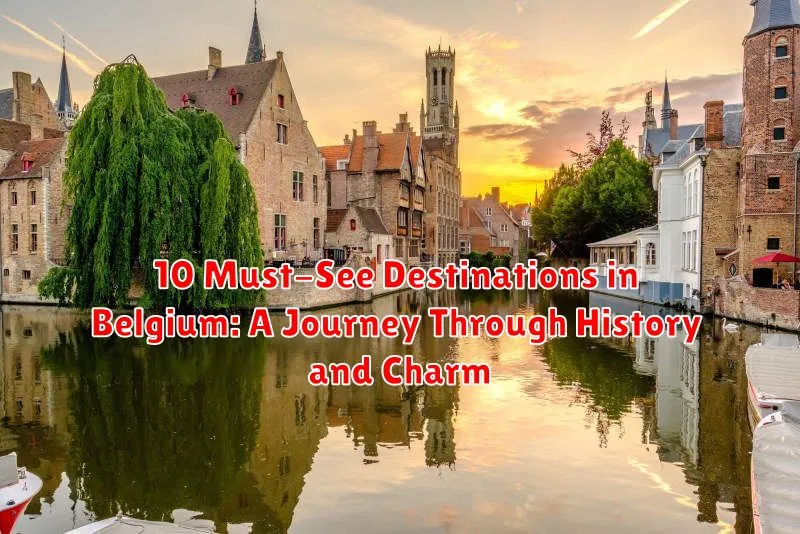
Belgium, a country renowned for its rich history and captivating charm, is a destination that should be on every traveler’s bucket list. This small yet incredibly diverse nation offers an eclectic blend of medieval architecture, vibrant cultural experiences, and stunning natural landscapes. From the cobblestone streets of Bruges to the modern allure of Antwerp, Belgium boasts a unique mix of the old and new, ensuring an unforgettable experience for visitors guided by a sense of wanderlust.
In our guide to the “10 Must-See Destinations in Belgium,” we will take you on a journey through cities that have been pivotal in shaping Europe’s cultural tapestry. Discover the magical allure of Ghent, the foodie paradise of Brussels, and the enchanting traditions of smaller towns such as Dinant and Leuven. Each destination featured in our list is a testament to Belgium’s storied past and its commitment to preserving its heritage while embracing modernity. Join us as we explore the marvels of Belgium’s most iconic destinations and uncover the stories that make them irresistible hotspots for travelers.
Grand Place, Brussels
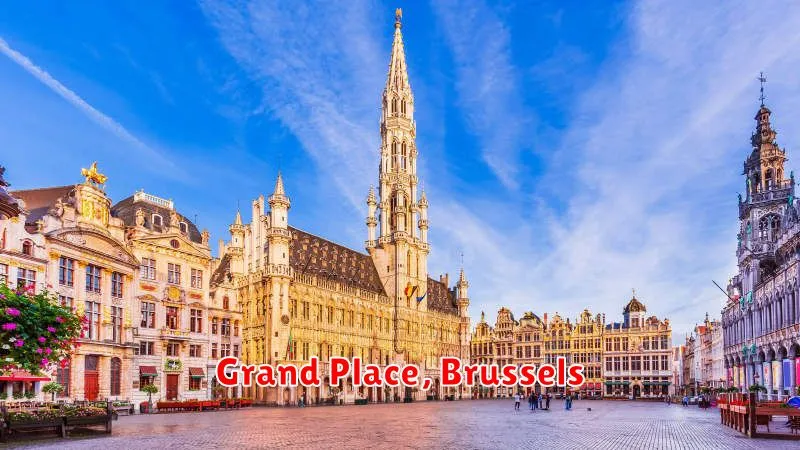
The Grand Place in Brussels is not just a square; it is the heart of Belgium’s vibrant capital, pulsating with history, culture, and architectural grandeur. Known as “Grote Markt” in Dutch, this stunning gem is a UNESCO World Heritage site, embodying the convergence of the city’s rich historical tapestry.
A Historical Epicenter
Dating back to the 12th century, the Grand Place has witnessed the evolution of Brussels from a small trade settlement into the capital of Europe. The square is flanked by guildhalls, each steeped in history and ornate in design, reflecting the once-powerful mercantile guilds that contributed to the city’s prosperity. One cannot miss the Town Hall, a masterpiece of Gothic architecture highlighted by its towering spire.
Architectural Marvel
The unique architecture of the Grand Place encompasses a fusion of styles, including Gothic, Baroque, and Luis XIV. It is this eclectic blend that grants the square its charmingly distinct character. The opulence of the facades, adorned with intricate carvings and golden details, provides a visual feast.
Festivities and Culture
Renowned for vibrant events, the Grand Place hosts the Flower Carpet every two years, a breathtaking display of begonias laid out in captivating designs. The square also serves as the center for Christmas celebrations, with an impressive tree and light show that attracts visitors worldwide.
Interesting Facts
- The Grand Place measures approximately 68 by 110 meters.
- Victor Hugo, author of Les Misérables, once lived here, calling it “the most beautiful square in the world.”
- The Town Hall’s spire reaches a height of 96 meters and is topped by a statue of Saint Michael, the patron saint of Brussels.
Bruges Canals
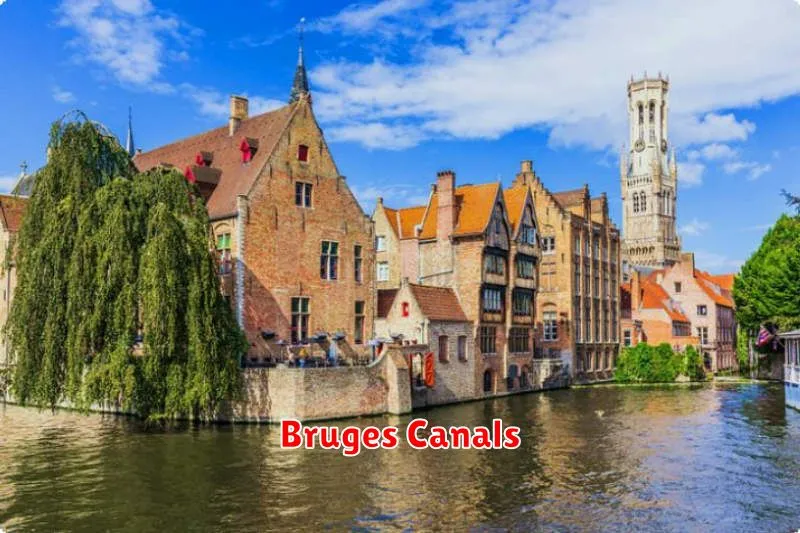
Often referred to as the “Venice of the North,” Bruges is famed for its picturesque canals that meander through the heart of the city. These waterways offer a unique perspective on the city’s charm and history, making them a must-see destination for visitors traveling to Belgium.
The Magic of the Waterways
The canals of Bruges have been instrumental in shaping its history. Originating in the medieval period, these canals were vital trade routes bringing prosperity to the region. Today, they continue to captivate with their tranquil beauty, reflecting the ancient architecture that lines their banks.
Boat tours are an inspiring way to explore these enchanting waterways. As you glide through the canals, you are treated to stories about Bruges’ past, from the bustling marketplaces of yore to tales of merchant ships that once navigated these same waters.
Key Sights Along the Canals
- Rozenhoedkaai: One of the most photographed spots in Bruges, this picturesque location offers a breathtaking view of the city and is especially enchanting at night when the old buildings are illuminated.
- Basilica of the Holy Blood: Close to the canals, this basilica is famous for housing a revered relic believed to contain the blood of Christ.
- Old Tanner’s District: A historical area that tells the tale of Bruges’ industrious past, providing insight into the crafts and trades of medieval times.
Practical Tips for Visitors
While the Bruges Canals are accessible throughout the year, the best time to visit is during the spring or early autumn when the weather is mild, and the city is less crowded. Consider taking a canal tour to fully experience the magic of this destination, or enjoy a leisurely walk along the banks for a more personal encounter with Bruges’ captivating scenery.
Gravensteen Castle, Ghent
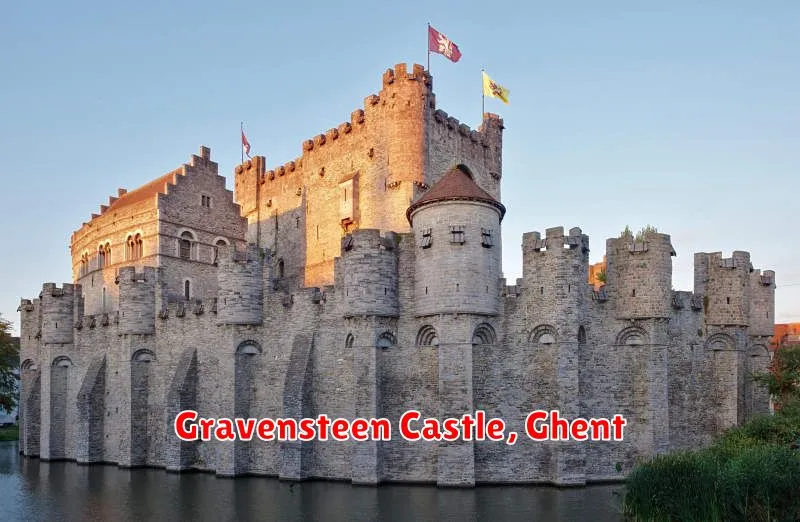
One of Belgium’s most iconic medieval landmarks, the Gravensteen Castle, is a must-visit for history enthusiasts and those drawn to the allure of bygone eras. Nestled in the vibrant city of Ghent, this imposing fortress stands as a testament to the rich heritage of the country.
A Glimpse into History
The castle, originally constructed in the 12th century, was the residence of the Counts of Flanders. With its stone walls and impressive towers, the Gravensteen Castle provides visitors a chance to step back in time and explore stories of power, conflict, and chivalry that unfolded within its walls.
The Architecture and Design
The castle is remarkably well-preserved, with its defensive features like a moat and battlements, offering insights into medieval military architecture. Its towers and dungeons add to the sense of majesty and mystery, making it a fascinating destination for architecture buffs and history lovers alike.
Upon entering, visitors are greeted by the magnificent Great Hall, followed by a journey through various rooms filled with weaponry and suits of armor. The views from the top of the castle provide sweeping panoramas of the historic city of Ghent.
Visitor Experience
Today, the Gravensteen Castle is not only an architectural gem but also an interactive museum that brings history to life. It hosts engaging exhibits, reenactments, and events that capture the essence of medieval life and warfare.
Here’s a brief overview of what you can experience:
- Explore the exhibition of medieval torture devices.
- Attend a guided tour to learn the fascinating stories of the castle.
- Participate in seasonal events and medieval festivals organized at the site.
Ardennes Forest
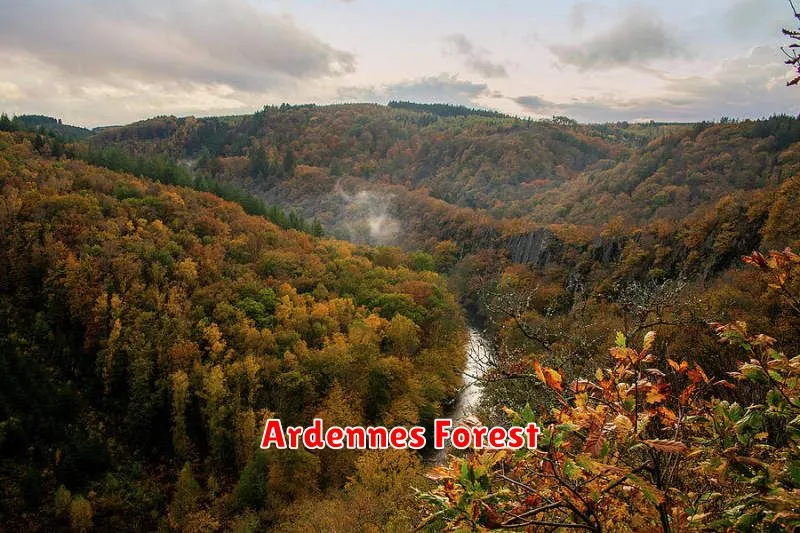
Located in the southeastern part of the country, the Ardennes Forest is a majestic expanse of lush woodlands, rolling hills, and serene rivers. This region is a dream destination for those seeking tranquility, nature, and a touch of adventure. Whether you’re an avid hiker, a passionate cyclist, or simply looking to escape the bustle of city life, the Ardennes offers something for every nature lover.
Historical Significance
The Ardennes Forest holds a rich place in history, having been a significant theatre of operations during both World War I and World War II. The infamous Battle of the Bulge took place here, marking one of the last major German offensives in World War II. Today, visitors can explore various historical sites, including memorials and museums, that pay tribute to the pivotal events that unfolded in this region.
Activities
The forested landscapes provide an incredible setting for a wide range of outdoor activities:
- Hiking Trails: Discover a network of trails that take you deep into the heart of the forest.
- Canoeing: Navigate the gentle waters of the Lesse and Semois Rivers.
- Mountain Biking: Tackle challenging paths that wind through the diverse countryside.
- Wildlife Watching: Spot deer, boars, and a variety of birds in their natural habitat.
Best Time to Visit
The best time to visit the Ardennes Forest is during the spring and fall when the weather is mild, and the scenery is particularly stunning. However, winter offers its charm too, with opportunities for cross-country skiing and cozy cabin stays.
Local Cuisine
No visit to the Ardennes is complete without sampling its hearty local cuisine. Be sure to try the region’s famous game dishes, such as venison stew, and don’t miss out on the delectable Ardennes ham, a specialty cured with authentic techniques.
Atomium, Brussels
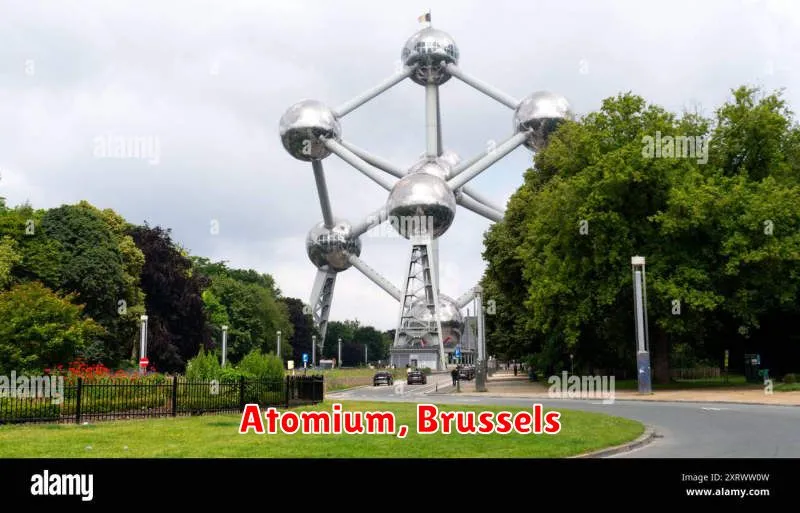
Standing prominently in Brussels, the Atomium is more than just a scientific model. It is an iconic symbol of innovation and exploration, originally constructed for the 1958 Brussels World’s Fair, also known as Expo 58.
The Design
Designed by engineer André Waterkeyn and architects André and Jean Polak, the Atomium represents an iron crystal magnified 165 billion times. Its unique construction features nine interconnected stainless steel spheres, each approximately 18 meters in diameter.
Visitor Experience
Visitors can explore the Atomium’s interior, which includes exhibition spaces and a panoramic restaurant offering stunning views of the city. The spheres are connected by tubes containing escalators and stairs, providing a futuristic journey through the structure.
Interestingly, only six of the nine spheres are accessible to the public, showcasing both permanent and temporary exhibitions that delve into science, design, and the history of the Atomium itself.
Quick Facts
- Height: 102 meters (335 feet)
- Weight: 2,400 tonnes
- Date of Inauguration: 17 April 1958
Whether you are an architecture enthusiast or simply seeking a unique experience, the Atomium remains a must-see destination in Belgium, offering insight into the country’s mid-20th-century vision of the future.
Grote Markt, Antwerp
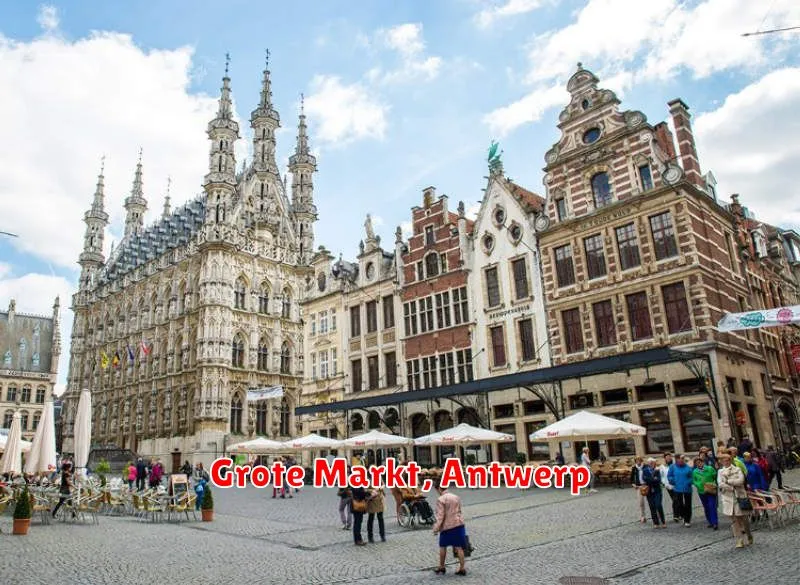
In the bustling city of Antwerp, the Grote Markt serves as the breathtaking centerpiece. This historic square is a vibrant symbol of the city’s legacy, adorned with stunning guildhalls and the magnificent Antwerp Town Hall, or Stadhuis, recognized as a UNESCO World Heritage Site.
The architecture surrounding the Grote Markt is a divine display of 16th-century Flemish Renaissance style. Each building is uniquely elaborate, showcasing intricate facades and ornate gables that capture the rich history and artistic flair of the region. For those keen on exploring architectural history, the guildhouses offer a glimpse into the artisans and tradesmen who once dominated the economy of Antwerp.
The Brabo Fountain
At the heart of the square stands the striking Brabo Fountain, which was erected in 1887. This iconic statue pays tribute to Silvius Brabo, a legendary Roman soldier who, according to folklore, defeated the giant Druon Antigoon and tossed his severed hand into the river Scheldt. This legend is whimsically represented in the fountain itself and provides a narrative backdrop to the vibrant energy of the square.
Cultural Events and Festivities
The Grote Markt is not just a historical landmark but also a thriving hub for various cultural events and festivities throughout the year. From the cheerful Christmas markets in winter to vibrant summer festivals, the square is a lively venue for celebrations that attract locals and visitors alike.
To truly experience the soul of Antwerp, visiting the Grote Markt is an absolute must. Whether you are sipping a coffee at one of its delightful cafes or admiring its statuesque beauty, the square offers a perfect blend of history, culture, and local charm that ensures a truly unforgettable visit.
Meuse Valley
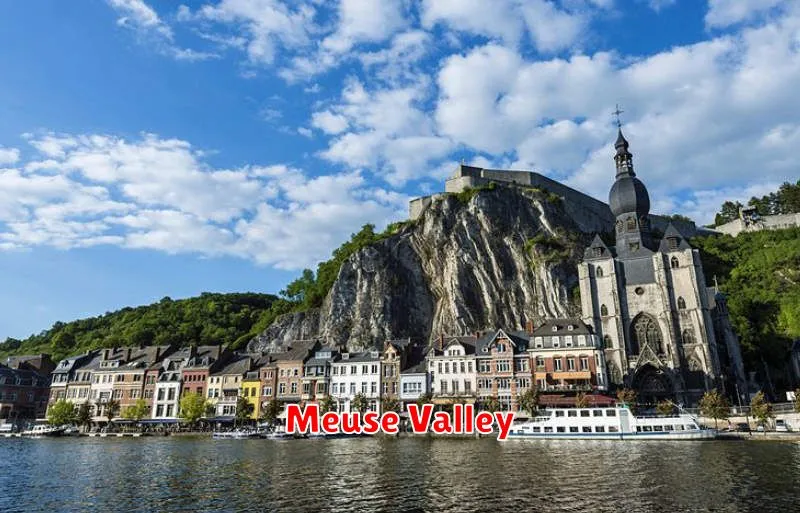
The Meuse Valley is a gem in the heart of Belgium, renowned for its breathtaking natural beauty and rich cultural heritage. Spanning across rugged, forested landscapes and serene, winding riverscapes, this area offers a perfect getaway for those seeking tranquility and adventure.
Vibrant Countryside
Visitors to the Meuse Valley will find themselves immersed in a picturesque setting, where quaint villages with cobblestone streets nestle against the backdrop of rolling hills. These charming communities offer a glimpse into Belgium’s rural life, with local markets, artisan shops, and cozy cafes that beckon travelers to linger and explore.
Outdoor Adventures
The Meuse Valley is a paradise for outdoor enthusiasts. Whether you’re into hiking, cycling, or even kayaking on the Meuse River itself, there are endless opportunities for exploration and discovery. The region boasts numerous trails of varying difficulty, providing something for every level of adventurer.
Top Activities in Meuse Valley:
- Hiking: Explore the lush landscapes on well-marked trails.
- Cycling: Follow scenic bike routes that wind through the valley.
- Kayaking: Paddle along the tranquil waters of the Meuse River.
- Wildlife Watching: Spot diverse flora and fauna in their natural habitat.
Historical Highlights
The valley is dotted with historical landmarks, including ancient castles and fortresses that whisper stories from a bygone era. Dinant, a charming town within the valley, is home to a striking citadel and the birthplace of the saxophone, offering both history and music enthusiasts plenty to explore.
With its harmonious blend of nature and culture, the Meuse Valley is a must-see destination for anyone visiting Belgium. Whether you’re looking to relax in the serene settings or immerse yourself in the rich history, the Meuse Valley unfailingly delivers an unforgettable experience.
Waterloo Battlefield
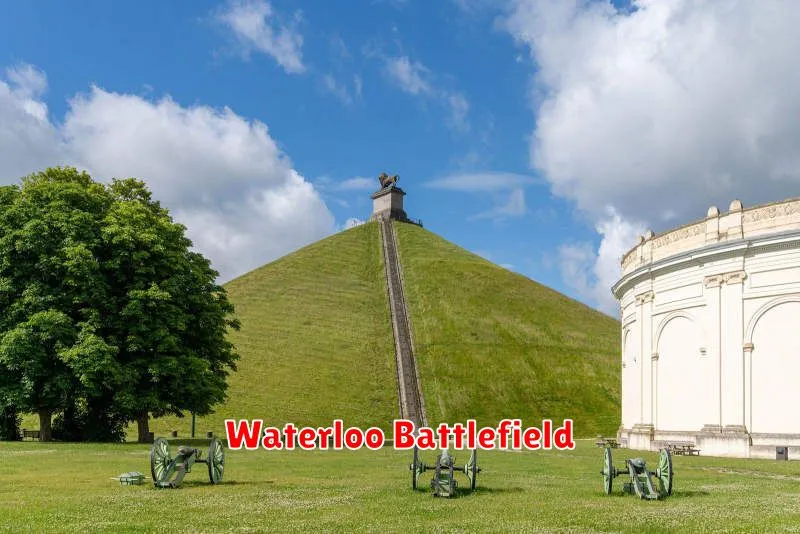
When one thinks of Belgium’s historical tapestry, few locales stand as historically pivotal as the Waterloo Battlefield. Known worldwide as the site where Napoleon Bonaparte faced his ultimate defeat in 1815, this destination is a magnet for history enthusiasts and curious travelers alike.
Waterloo Battlefield is not just about the past—it offers a range of activities for visitors. You can start your journey at the Memorial 1815 museum, which provides intricate details of the battle and its major figures. Through a series of engaging multimedia presentations and realistic exhibits, the museum brings to life the dramatic events that unfolded on this hallowed ground.
The Lion’s Mound
A central attraction at the battlefield is the towering Lion’s Mound. Standing at a height of 41 meters, this artificial hill crowned by a massive cast-iron lion statue offers panoramic views of the battlefield. Climb its 226 steps to appreciate the sweeping vistas, and imagine the unfolding battle beneath your feet.
Key Features of Waterloo Battlefield
- Visitor Center with interactive exhibits
- Re-enactment events showcasing historical military encounters
- Walking tours with expert guides
- Proximity to Brussels, making it an easy day trip
The experience is both educational and emotive, giving visitors a profound understanding of the strategic maneuvers and personal stories that shaped a significant moment in European history. Each step across the battlefield echoes with the footsteps of soldiers from a bygone era, making it a must-visit for appreciating the depth of Belgium’s historical impact.
Horta Museum, Brussels
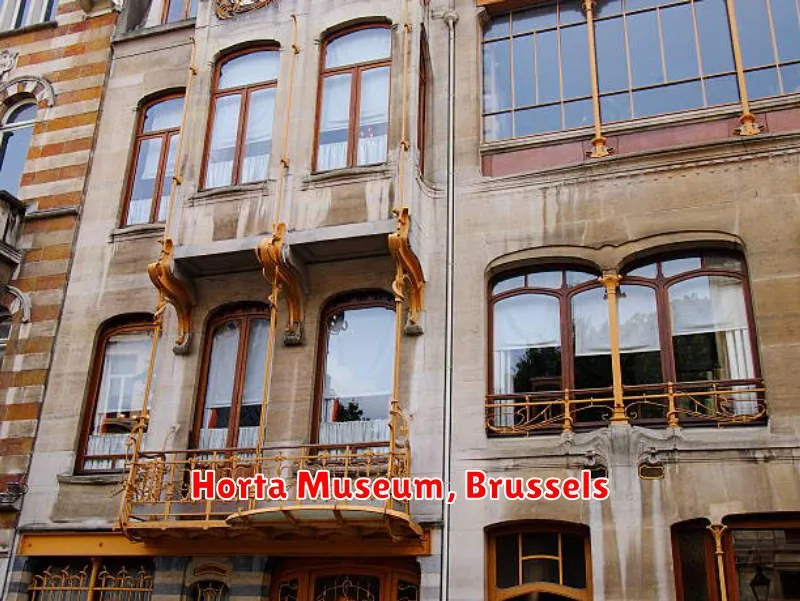
If you are fascinated by architecture and the Art Nouveau movement, the Horta Museum in Brussels is a destination you can’t miss. Situated in the Saint-Gilles district, this museum is dedicated to the life and work of Victor Horta, one of the most influential architects of the late 19th and early 20th centuries.
The Architectural Genius of Victor Horta
The museum itself is housed in Horta’s former private residence and studio, dating from 1898 to 1901. This building is a masterpiece that showcases Horta’s hallmark style, characterized by sweeping curves, organic elements, and harmonious integration of materials and design techniques. Visitors can explore the intricate attention to detail present in every room, from the mosaic floors to the stunning stained-glass windows.
Exhibits and Collections
The Horta Museum offers a rich collection that includes period furnishings, decorative objects, and personal artifacts belonging to Horta. Each piece tells a story of the era’s distinctive aesthetic and sheds light on Horta’s innovative approach to design. The museum provides a rare glimpse into the artistic milieu that he was a part of, giving visitors insights into both the professional and personal aspects of his life.
- Hours: Tuesday to Sunday, 2 PM to 5:30 PM
- Important Tip: Due to its popularity, it’s advisable to arrive early or secure your tickets in advance.
The preservation of Horta’s home and workshop ensures that his artistic spirit will continue to inspire future generations. Whether you’re an architecture enthusiast or simply curious about design, the Horta Museum offers a fascinating journey into the world of Art Nouveau.
Cathedral of Our Lady, Antwerp
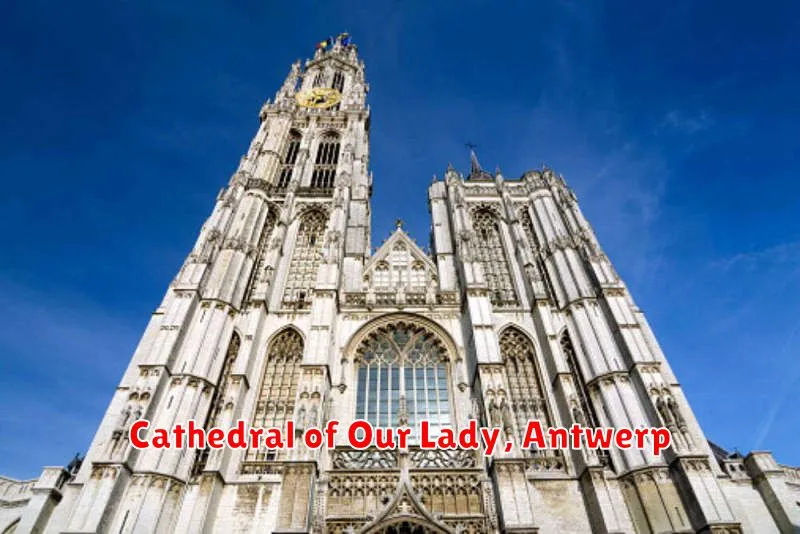
The Cathedral of Our Lady is an architectural marvel that stands as a testament to Gothic art and religious history in the heart of Antwerp. Known locally as Onze-Lieve-Vrouwekathedraal, this majestic cathedral is famed not only for its grandeur but also for its storied past and artistic treasures.
Historical Background
Construction of the cathedral began in the 14th century, and it took nearly 170 years to complete, surviving numerous challenges over the centuries. The cathedral was designated a UNESCO World Heritage site in 1999, which speaks volumes of its significance and the preservation of its history.
Artistic Treasures
A key attraction of the Cathedral of Our Lady is its impressive collection of artworks by the Baroque master Peter Paul Rubens. Visitors can admire four of Rubens’ famous paintings, including the iconic The Elevation of the Cross and The Descent from the Cross.
Architectural Significance
The cathedral’s architecture is characterized by its towering spire, which reaches a height of over 120 meters, making it one of the tallest buildings in Antwerp. The intricate stone carvings and stained glass windows showcase the artistry of the era, drawing thousands of admirers each year.
Interesting Facts
- The cathedral’s construction was interrupted several times due to natural disasters and fires.
- Initially planned to have two towers, construction limitations led to only one completed spire.
- Renowned for its acoustics, the cathedral hosts numerous classical concerts throughout the year.
For those interested in history, art, and architecture, the Cathedral of Our Lady offers an unforgettable experience, rich in cultural heritage and artistic wonder.
