
Italy is a beautiful country with a rich history and culture, but it’s also a popular destination for tourists, which unfortunately means it’s a target for scams. Tourist scams can range from petty theft to elaborate schemes, and they can ruin your trip if you’re not careful. This article will provide you with essential tips on how to avoid scams in Italy, allowing you to enjoy the Italian experience worry-free. Learn how to recognize common Italian tourist traps and protect yourself from becoming a victim. Whether you’re planning a trip to Rome, Florence, Venice, or anywhere else in Italy, understanding how these scams operate is the first step in avoiding them.
From fake guides and inflated prices to distraction thefts and spiked drinks, we’ll cover a wide range of potential threats and provide practical advice to safeguard your belongings and your money. Learn about safe transportation options, how to handle aggressive vendors, and what to do if you find yourself in a difficult situation. By being aware of the common tourist scams in Italy and taking the necessary precautions, you can focus on enjoying the beauty and culture this incredible country has to offer without the stress of being scammed.
Why Tourist Scams Are Common in Italy
Italy is a highly desirable tourist destination, attracting millions of visitors annually. This high volume of tourists, many of whom are unfamiliar with the local customs and language, creates an environment ripe for exploitation. Crowded tourist hotspots, like Rome’s Trevi Fountain or Florence’s Duomo, provide cover for scammers to operate, often targeting those distracted by the sights. Additionally, the perception of Italy as a generally safe country can lull some tourists into a false sense of security, making them less vigilant and more susceptible to scams.
Another contributing factor is the informal economy that exists alongside the formal one. This often cash-based system can make it harder to track fraudulent activities and easier for scammers to avoid consequences. The presence of unlicensed tour guides, street vendors, and unofficial taxi drivers contributes to this problem. These individuals often operate outside regulatory frameworks, increasing the risk for tourists who unknowingly engage their services. Moreover, cultural differences in communication styles can sometimes be misconstrued, with some tourists misinterpreting aggressive sales tactics or overly friendly gestures as genuine helpfulness, inadvertently falling prey to scams.
Finally, the historical presence of organized crime, even if diminished, can create a climate where small-time scams are viewed as less serious offenses. While law enforcement actively combats these activities, the sheer volume of tourists and the often low-value nature of individual scams can make prosecution challenging. This, unfortunately, can embolden scammers, knowing that the risk of serious repercussions is relatively low. Tourists should remain vigilant and educate themselves about common scams to minimize their risk.
Top Scams to Watch Out For

Phishing scams remain prevalent. These involve fraudulent attempts to obtain sensitive information such as usernames, passwords, and credit card details by disguising as a trustworthy entity in an electronic communication. Be wary of suspicious emails, text messages, or website links requesting personal information. Verify the sender’s identity before clicking any links or providing any data. Always navigate directly to official websites instead of clicking links from unsolicited communications.
Imposter scams continue to trick individuals. These scams involve someone pretending to be a government official, a family member in need, or a tech support representative. They often create a sense of urgency to pressure victims into sending money or providing personal information. Remember that government agencies and legitimate organizations typically do not solicit money or personal information via phone calls or unsolicited emails. If you receive such a request, verify the caller’s identity through official channels before taking any action.
Online shopping scams are increasingly common, especially during peak shopping seasons. These can include fake websites mimicking legitimate retailers, counterfeit products, or non-delivery of purchased items. Always verify the website’s security and legitimacy before making online purchases. Look for secure “https” in the address bar and research the seller’s reputation. Use secure payment methods and avoid sharing unnecessary personal information.
How to Identify Fake Petition Schemes
Fake petition schemes are designed to collect personal information or money under the guise of supporting a cause. Scrutinize the petition’s source. Look for established, reputable organizations. Be wary of petitions from unknown or newly created groups. Check for contact information, a physical address, and a clear description of the organization’s mission. Verify the petition’s legitimacy by researching the issue independently through trusted news sources or official government websites. If the issue seems exaggerated or doesn’t exist, the petition is likely fraudulent.
Examine the petition’s language. Look for excessive emotional appeals, inflammatory language, or guarantees of unrealistic outcomes. Fake petitions often use these tactics to manipulate emotions and bypass critical thinking. Be cautious of petitions that pressure you to sign quickly or suggest dire consequences if you don’t. Review the requested information. Legitimate petitions typically only require a name, email address, and perhaps a postal code. Be suspicious of petitions requesting sensitive information such as bank details, social security numbers, or passwords.
Finally, consider the platform hosting the petition. While many legitimate petitions are hosted on reputable platforms, fake petitions can also appear there. Cross-reference the petition on different platforms and verify its existence elsewhere. If the petition only exists on obscure or questionable websites, it’s likely a scam. Remember, taking a moment to verify a petition’s authenticity can protect you from fraud and ensure your support goes to genuine causes.
Dealing with Overpriced Taxis
Traveling can be exciting, but encountering overpriced taxis can quickly dampen the experience. One of the most effective ways to avoid this is to research typical fares beforehand. Utilize online resources or travel guides to get a general idea of the expected cost for your route. This allows you to identify potential price gouging and negotiate a fairer price. If using ride-hailing apps, ensure you confirm the fare before accepting the ride. Using official taxi stands or pre-booked services can also mitigate the risk.
If you find yourself in a situation where you suspect you are being overcharged, remain calm and assertive. Politely question the fare, referencing your prior research or the expected rate. If the driver is unwilling to negotiate, consider asking for a printed receipt, which can be useful for filing a complaint later. Note the taxi number and driver’s identification, if possible. In some locations, it might be helpful to contact the local transportation authority or tourist information center for assistance.
Prevention is always the best strategy. Consider alternatives to taxis, such as public transportation, ride-sharing services, or even walking if the distance is manageable. These options often provide more transparent pricing and greater control over your transportation costs.
ATM Tampering and Card Skimming
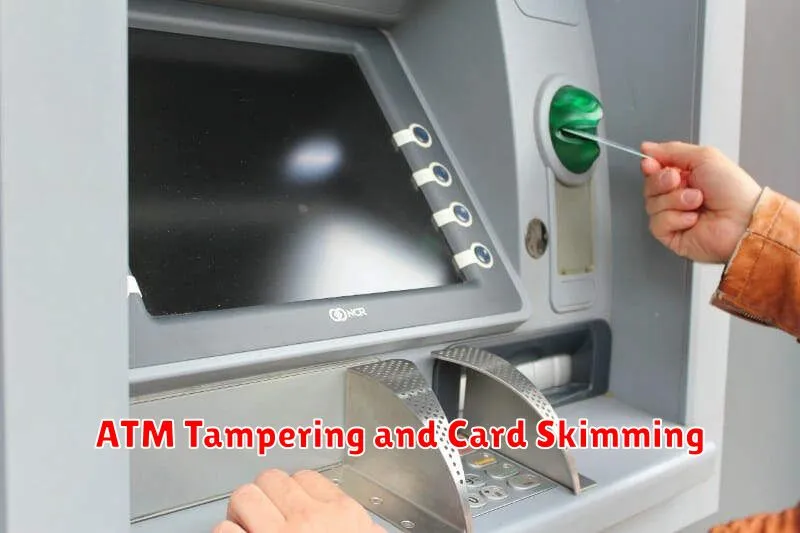
ATM tampering and card skimming are serious security threats that can lead to financial loss. Tampering involves physically altering the ATM, such as installing fake keypads or hidden cameras to steal your PIN. Skimming, on the other hand, uses a device to steal your card information when you swipe it. These devices can be placed over the card reader or inside the card slot, often going unnoticed by unsuspecting users.
To protect yourself, be vigilant when using ATMs. Inspect the machine for any unusual attachments, loose parts, or signs of tampering. Cover the keypad when entering your PIN to prevent hidden cameras from recording it. If anything seems suspicious, don’t use the ATM and report it to the bank immediately.
Regularly monitor your bank accounts for any unauthorized transactions. If you notice any suspicious activity, contact your bank immediately to report the issue and take necessary steps to protect your funds.
Street Performers and Pickpocket Gangs
Street performers often draw large crowds, creating an ideal environment for pickpocket gangs to operate. The distraction provided by the performance allows pickpockets to work unnoticed, bumping into individuals or using sleight of hand to steal wallets, phones, and other valuables. Awareness of your surroundings and keeping valuables secure are crucial in these situations.
Pickpocket gangs often employ organized tactics, working in teams to distract and steal. One member might create a disturbance or “accidentally” bump into a target, while another lifts the valuables. They may also use children or seemingly innocent individuals to pickpocket, making it harder to suspect them. Being vigilant and aware of these common tactics can help protect yourself.
To stay safe from pickpockets when watching street performers:
- Secure your belongings: Keep valuables in zipped pockets or bags close to your body.
- Be aware of your surroundings: Pay attention to the people around you, especially in crowded areas.
- Maintain a safe distance: Avoid getting too close to the performance or overly crowded spaces.
- Be cautious of distractions: Be wary of sudden commotions or unusual behavior.
- If you see something, say something: Report any suspicious activity to the authorities.
Tips to Stay Safe in Tourist Hotspots
Be Aware of Your Surroundings. Tourist hotspots are often crowded, making them prime targets for pickpockets and scammers. Stay vigilant and keep an eye on your belongings at all times. Avoid flashing expensive jewelry or electronics. Be cautious of overly friendly strangers who may be trying to distract you. Before you go, research common scams in the area you’re visiting so you can be prepared. Stick to well-lit and populated areas, especially at night.
Protect Your Valuables. Secure your passport, money, and other important documents in a safe place, such as a hotel safe. Consider using a money belt or hidden pouch. Don’t carry large amounts of cash. Be discreet when using ATMs, and shield your PIN. Make copies of your important documents and store them separately from the originals. If your phone is stolen, knowing how to remotely wipe it can protect your personal information.
Plan Ahead and Stay Connected. Share your itinerary with someone at home and check in regularly. Learn some basic phrases in the local language. Download helpful apps for translation, navigation, and transportation. Research local emergency numbers and the location of your country’s embassy or consulate. Stay aware of local customs and laws to avoid unintentionally offending anyone or breaking any rules.
Who to Contact If You’re Scammed
If you’ve been scammed, it’s crucial to report it. Contact your local law enforcement agency immediately. You should also report the scam to the Federal Trade Commission (FTC) at ReportFraud.ftc.gov. Depending on the nature of the scam, you may also need to contact other agencies. For example, if the scam involved a financial institution, report it to the institution as well.
If the scam originated online, report it to the website or platform where it occurred. This could be a social media site, online marketplace, or dating app. Provide them with as much detail as possible, including usernames, transaction details, and any communication you had with the scammer. This will help them investigate and potentially prevent others from becoming victims.
Consider reaching out to a consumer protection agency in your state. They can offer advice and resources for dealing with the aftermath of a scam. Remember to keep all evidence of the scam, including emails, messages, and transaction records. This information will be helpful for your reports and any potential investigations.
Safe Payment Methods to Use
When shopping online or making digital transactions, prioritizing secure payment methods is crucial. Credit cards offer strong fraud protection, allowing you to dispute unauthorized charges. Debit cards linked to checking accounts should be used cautiously, as fraudulent activity can directly impact your available funds. Consider using prepaid cards or virtual card numbers for added security, limiting your exposure to potential breaches. Always ensure the website or platform you’re using is secure, indicated by “https” in the URL and a padlock icon.
Mobile payment systems like Apple Pay and Google Pay offer enhanced security through tokenization, replacing your card details with unique codes. Digital wallets like PayPal and Venmo provide an extra layer of security by keeping your financial information separate from the merchant. These methods often employ two-factor authentication, adding another level of protection. When using these methods, always double-check the recipient’s information to avoid sending money to the wrong person or account.
While convenient, some payment methods offer less security. Be cautious when using bank transfers or money orders, as these transactions are often irreversible. Cash App and Zelle, while convenient for peer-to-peer payments, should be used with caution, especially with individuals you don’t know well. Always research and understand the risks associated with any payment method before using it.
