
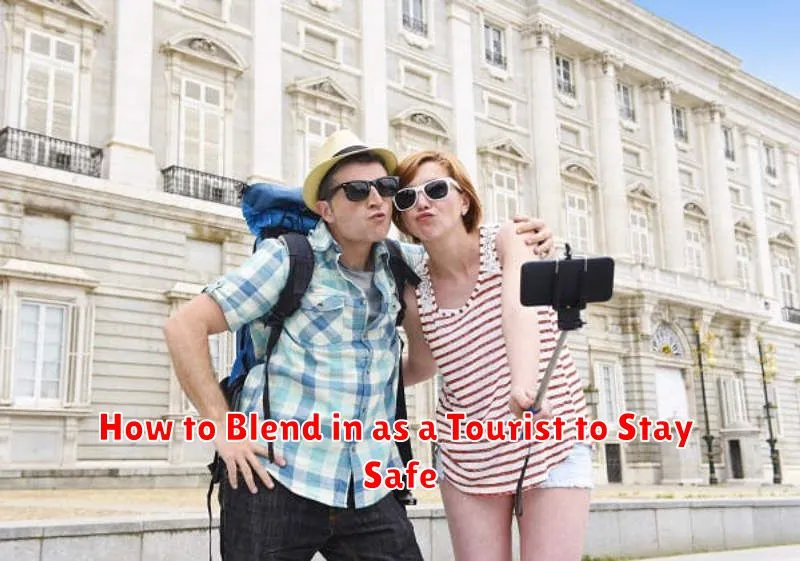
Traveling to new and exciting destinations is a thrilling experience, but it’s crucial to prioritize safety while exploring unfamiliar territories. Staying safe while enjoying your trip requires a delicate balance between immersing yourself in the local culture and remaining aware of your surroundings. One effective strategy for minimizing risks is to blend in as much as possible, reducing your visibility as a tourist and minimizing the chances of becoming a target for petty theft or scams. This article will provide practical tips and techniques on how to blend in as a tourist, helping you stay safe while enjoying your travels to the fullest.
Learning how to blend in can significantly enhance your safety as a tourist. By adopting simple yet effective strategies, you can project a sense of belonging rather than standing out as a vulnerable visitor. From understanding local customs and dress codes to avoiding flashy displays of wealth and behaving respectfully, blending in helps you navigate new environments with greater confidence and minimizes unwanted attention. In the following sections, we’ll explore practical steps you can take to blend in as a tourist to stay safe, empowering you to experience the wonders of travel while minimizing potential risks.
Why Tourists Are Targeted in Some Places
Tourists are often targeted by criminals due to a confluence of factors that make them particularly vulnerable. They are often unfamiliar with their surroundings, local customs, and laws, making them easier to deceive or disorient. They may also carry large amounts of cash and valuable electronics, making them attractive targets for theft. Additionally, tourists are often perceived as wealthy and less likely to report crimes or pursue legal action due to the logistical challenges involved while traveling.
Another key factor is the anonymity that tourism provides. Criminals can more easily blend into crowds and target tourists without fear of being recognized by local community members. The transient nature of tourists also means they are less likely to be witnesses in future investigations. This perceived lack of accountability emboldens criminals to target tourists specifically. Furthermore, some areas with high tourism experience strained resources and limited law enforcement presence, creating an environment where criminal activity can thrive.
Finally, in certain locations, cultural differences or negative perceptions of tourists can contribute to this targeting. Some individuals may harbor resentment towards tourists due to perceived economic disparities or disruptive behavior. This can create a climate where targeting tourists is not only seen as financially beneficial but also socially acceptable or even justified in the minds of some individuals.
Learning Basic Local Phrases

Learning a few basic phrases in the local language can greatly enhance your travel experience. It demonstrates respect for the local culture and can make everyday interactions, such as ordering food or asking for directions, much smoother. Prioritize learning greetings, polite expressions like “please” and “thank you,” and basic questions. Even a small effort can go a long way in fostering positive communication.
Resources for learning basic phrases are readily available. Phrasebooks, language learning apps, and online resources can provide a foundation in the local language. Consider focusing on pronunciation as well, as accurate pronunciation can aid in understanding. Practicing with native speakers, if possible, is an excellent way to improve both pronunciation and comprehension.
While learning a few basic phrases is helpful, remember that respectful communication goes beyond just words. Be mindful of local customs and traditions, and be patient with yourself and others as you navigate communication barriers. A smile and a willingness to try can often bridge any gaps.
Dress Code Awareness and Cultural Respect
Understanding and adhering to dress codes demonstrates respect for the environment and the people within it. Whether it’s a workplace, a religious institution, or a social event, dress codes provide guidelines that promote professionalism, safety, and cultural sensitivity. Being mindful of these guidelines contributes to a positive and harmonious atmosphere. Ignoring dress codes can be perceived as disrespectful or disruptive, potentially causing discomfort or offense.
Cultural sensitivity plays a vital role in dress code awareness. Different cultures have varying norms and expectations regarding attire. What may be considered acceptable in one culture could be deemed inappropriate or even offensive in another. Researching and respecting these cultural differences is essential, especially when traveling or interacting with individuals from diverse backgrounds. Demonstrating cultural sensitivity through appropriate dress fosters understanding and positive cross-cultural communication.
By being aware of and respecting dress codes, we contribute to a more inclusive and considerate environment. It allows us to communicate respect, professionalism, and cultural sensitivity non-verbally. Taking the time to understand and adhere to dress codes, including those related to cultural norms, ultimately benefits everyone.
Understanding Local Customs and Gestures
When traveling or interacting with people from different cultures, it’s essential to be mindful of local customs and gestures. What may be considered polite or commonplace in your culture could be interpreted as rude or offensive in another. Understanding these nuances can help you avoid misunderstandings and foster positive interactions. Researching basic etiquette before encountering a new culture is a crucial first step. This can include learning about appropriate greetings, dining customs, and gift-giving traditions.
Gestures, in particular, can vary significantly between cultures. A simple hand gesture like a thumbs-up, which signifies approval in many Western countries, can be considered offensive in some Middle Eastern and West African cultures. Similarly, direct eye contact, while seen as a sign of respect and engagement in some cultures, can be perceived as challenging or disrespectful in others. Being observant of how locals interact with each other can be a valuable way to learn acceptable behaviors.
Ultimately, demonstrating cultural sensitivity through respectful behavior and a willingness to learn can greatly enhance cross-cultural communication. By acknowledging that different cultures have different customs and norms, you can build stronger relationships and avoid unintentional offense. Remember that adapting to local customs shows respect and fosters a positive environment for communication and understanding.
Avoiding Tourist-Only Hotspots
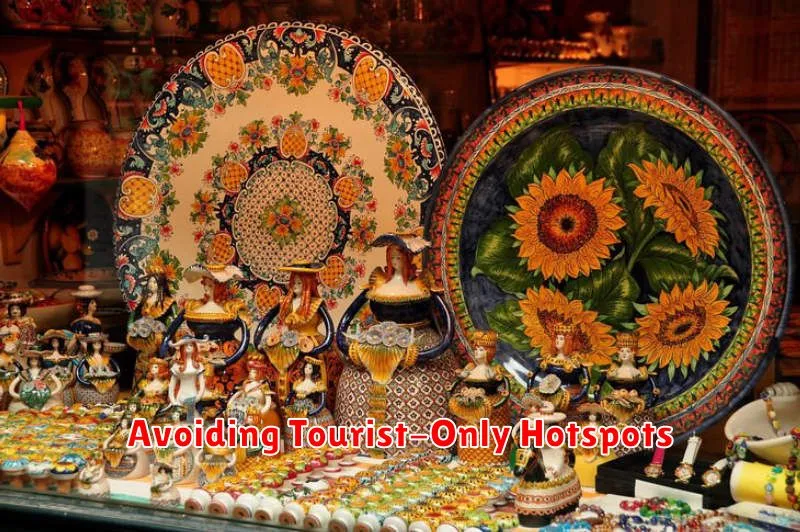
While famous landmarks and popular attractions often offer a glimpse into a city’s highlights, venturing beyond the well-trodden tourist paths can lead to a more authentic and enriching travel experience. Consider exploring local neighborhoods, browsing independent shops and markets, and seeking out restaurants frequented by residents. This allows you to engage with the local culture more deeply and discover hidden gems that may not be featured in guidebooks. By stepping outside the tourist bubble, you’ll gain a more nuanced understanding of the destination and create truly memorable experiences.
Researching before your trip is key to uncovering these off-the-beaten-path treasures. Look for local blogs, online forums, and social media groups dedicated to the city you’re visiting. These resources often provide insider tips on unique attractions, local events, and hidden culinary delights. Talking to locals after you arrive is also invaluable. Ask your hotel staff, shopkeepers, or even people you meet on the street for their recommendations. They can offer personalized suggestions based on your interests and steer you away from the typical tourist traps.
Embrace spontaneity. Don’t be afraid to wander off the planned itinerary and follow your curiosity. Sometimes the most rewarding experiences happen unexpectedly. You might stumble upon a charming cafe, a vibrant street festival, or a hidden park. By allowing yourself to get a little lost, you’ll discover the true heart and soul of the city you’re exploring.
Being Mindful of Photography and Privacy
Photography, especially with the ubiquity of smartphones, has become deeply ingrained in our daily lives. While capturing moments can be enriching, it’s crucial to be mindful of privacy considerations. Respecting the privacy of others means understanding when and where it’s appropriate to take photos, especially in public spaces. Ask permission before taking someone’s photograph, particularly if you intend to share it online. Children, vulnerable individuals, and those in private settings require heightened sensitivity and should never be photographed without explicit consent from a parent or guardian.
Consider the context and location. Certain locations, such as religious sites, memorials, or private properties, may have specific rules regarding photography. Be aware of and respect these guidelines. Even in public areas, exercising discretion is important. Avoid taking photos of people in embarrassing or compromising situations. Furthermore, be mindful of the potential impact of sharing photos online. Think about the potential consequences for the individuals in the photos before posting them on social media or other online platforms.
Ultimately, responsible photography hinges on respect and common sense. By being considerate of others’ privacy and adhering to ethical guidelines, we can ensure that photography remains a positive and enriching experience for everyone.
How to Appear Confident and Aware
Projecting confidence and awareness involves a combination of body language, communication style, and mindset. Posture plays a key role. Stand tall with your shoulders back and head held high. Maintain eye contact during conversations, but avoid staring. Offer a firm handshake when appropriate. Speaking clearly and concisely also contributes to an air of confidence. Avoid filler words like “um” and “uh,” and practice active listening to demonstrate awareness of others.
Beyond physical presentation, cultivating genuine confidence requires self-awareness. Understand your strengths and weaknesses. Prepare for situations whenever possible to minimize uncertainty and boost your confidence. For example, researching a topic before a meeting or presentation allows you to speak with authority. Focus on the present moment rather than dwelling on past mistakes or worrying about the future. This mindfulness can help you engage more fully in conversations and appear more aware of your surroundings.
Finally, remember that appearing confident and aware is not about pretending to be someone you’re not. It’s about presenting the best version of yourself. Focus on authenticity. People are drawn to genuineness, so embrace your unique qualities and let them shine. Continuously strive for self-improvement, but avoid comparing yourself to others. True confidence comes from within and is reflected in your actions and interactions.
