
Long-haul flights can take a toll on your body, leaving you feeling dehydrated, stiff, and exhausted. Staying healthy during these extended journeys is crucial for both your comfort and well-being. This article offers practical tips and strategies to help you arrive at your destination feeling refreshed and ready to explore. Learn how to combat the negative effects of long-haul flights, including dehydration, deep vein thrombosis (DVT), jet lag, and general discomfort. Discover how simple adjustments to your in-flight routine can significantly improve your overall travel experience. From strategic packing to smart food choices and effective exercises, we’ll guide you through the essential steps to maintain your health and wellness while soaring through the skies.
Whether you’re a seasoned traveler or embarking on your first long-haul adventure, preparing for the challenges of prolonged air travel is essential. This guide will equip you with the knowledge and tools to mitigate the health risks associated with long flights. We’ll delve into the importance of staying hydrated, promoting circulation, and managing sleep disruption. By implementing these simple yet effective strategies, you can minimize the impact of jet lag, arrive at your destination feeling energized, and make the most of your trip. Discover how to prioritize your well-being and transform your long-haul flight from a potential health hazard into a comfortable and enjoyable part of your journey.
Health Risks of Long Flights
Extended air travel, often referred to as long-haul flights, can pose several health risks to passengers. The most common of these is deep vein thrombosis (DVT), a condition where blood clots form in the deep veins, typically in the legs. Prolonged sitting in cramped quarters restricts blood flow, increasing the likelihood of clot formation. Other circulatory issues can arise, such as swelling in the ankles and feet. Furthermore, the low humidity levels in airplane cabins contribute to dehydration, which can manifest as dry skin, headaches, and fatigue. Jet lag, a disruption to the body’s natural sleep-wake cycle caused by crossing multiple time zones, is another common issue, leading to sleep disturbances, difficulty concentrating, and gastrointestinal problems.
Beyond these commonly known risks, long flights can also exacerbate pre-existing medical conditions. Individuals with respiratory issues may find the lower air pressure and reduced oxygen levels challenging. Those with heart conditions might experience increased strain on their cardiovascular system. Additionally, the confined environment of an aircraft increases the risk of exposure to airborne illnesses. Passengers with compromised immune systems are particularly vulnerable.
Fortunately, many of these risks can be mitigated through proactive measures. Staying hydrated by drinking plenty of water, avoiding alcohol and caffeine, and wearing compression socks can help improve circulation and reduce the risk of DVT. Regular movement, such as walking up and down the aisle and performing simple stretches, can also be beneficial. Adjusting sleep schedules in the days leading up to and following a long flight can help minimize the effects of jet lag.
Tips for Reducing Jet Lag
Jet lag, formally known as desynchronosis, is a temporary sleep disorder that can affect anyone who travels quickly across multiple time zones. It occurs because your body’s internal clock, or circadian rhythm, is still synchronized to your original time zone, even though you’ve physically moved to a new one. Symptoms can include fatigue, difficulty sleeping, daytime sleepiness, difficulty concentrating, and gastrointestinal issues. The severity of jet lag often depends on the number of time zones crossed and the direction of travel, with eastward travel generally being more challenging.
Fortunately, there are steps you can take to minimize the effects of jet lag. Before your trip, try gradually adjusting your sleep schedule towards the time zone of your destination. For example, if you’re traveling east, go to bed and wake up an hour earlier each day for several days leading up to your departure. During your flight, stay hydrated by drinking plenty of water and avoid excessive alcohol and caffeine consumption. Try to adapt to your destination’s schedule as quickly as possible by eating meals and going to bed according to the local time.
Upon arrival, exposure to natural light can be extremely beneficial in resetting your circadian rhythm. Spend time outdoors, especially in the morning, to help your body adjust to the new time zone. Consider using a sleep mask and earplugs to promote better sleep in unfamiliar surroundings. Short-term use of melatonin supplements may also be helpful for some individuals, but it’s always best to consult with a healthcare professional before using any sleep aids.
Avoiding Blood Clots During Travel
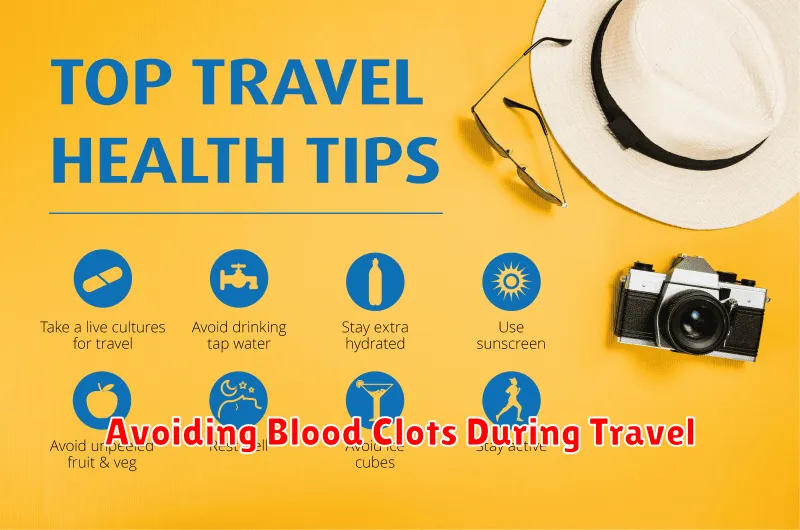
Traveling, especially long-haul flights or car rides, can increase your risk of developing blood clots, also known as deep vein thrombosis (DVT). These clots typically form in the deep veins of the legs and can be dangerous if they break loose and travel to the lungs, causing a pulmonary embolism. Several factors contribute to this increased risk, including prolonged immobility, dehydration, and cramped seating. Staying hydrated by drinking plenty of water throughout your journey is crucial. Avoiding excessive alcohol or caffeine consumption is also important, as these can contribute to dehydration.
Movement is key to preventing blood clots. On long flights, make an effort to get up and walk around the cabin every hour or two, if possible. While seated, perform simple exercises like ankle circles, flexing and extending your feet, and contracting your calf muscles. These activities help to improve circulation and reduce the risk of clot formation. Wearing compression stockings can also be beneficial, as they promote blood flow in the legs.
If you have any pre-existing risk factors for blood clots, such as a history of DVT, recent surgery, or certain medical conditions, it is essential to consult your doctor before traveling. They may recommend additional preventive measures, such as blood thinners. Being aware of the symptoms of DVT, including swelling, pain, and redness in the affected leg, is also important. If you experience any of these symptoms during or after travel, seek immediate medical attention.
Staying Hydrated and Eating Light
Staying properly hydrated is crucial for maintaining optimal bodily functions. Dehydration can lead to fatigue, headaches, and decreased cognitive function. Aim to drink plenty of water throughout the day, especially before, during, and after physical activity. Listen to your body and drink when thirsty. Carrying a reusable water bottle can serve as a helpful reminder.
Eating light, especially during warmer months or before strenuous activities, can also contribute to overall well-being. Heavy meals can weigh you down and make you feel sluggish. Opt for smaller, more frequent meals that incorporate fresh fruits and vegetables, lean proteins, and whole grains. These foods provide essential nutrients without overtaxing your digestive system.
Combining proper hydration with a light and nutritious diet promotes energy levels, supports physical performance, and enhances overall comfort. It’s a simple yet effective strategy for maintaining a healthy lifestyle.
Exercises You Can Do In-Flight
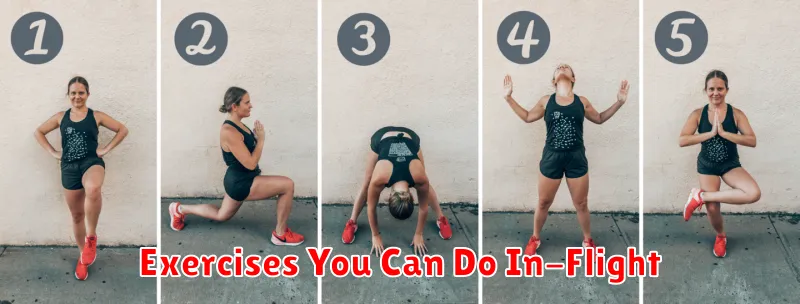
Sitting for extended periods can lead to stiffness and reduced circulation. To counteract this, try some simple in-flight exercises. Neck rolls and shoulder shrugs can relieve tension in your upper body. Ankle circles and foot pumps help improve circulation in your legs and feet, reducing the risk of swelling. Remember to perform these exercises discreetly and within the confines of your seat.
For those wanting a slightly more active approach, consider walking up and down the aisle when the seatbelt sign is off. This can help improve blood flow and reduce stiffness. If space allows, you could also try some gentle stretches like standing toe touches or calf stretches. Be mindful of other passengers and avoid blocking the aisles.
Staying hydrated during your flight is equally important. Dehydration can worsen the effects of prolonged sitting. Drink plenty of water and limit your intake of caffeinated and alcoholic beverages. Staying hydrated, combined with these simple exercises, can significantly improve your comfort and well-being on long flights.
Best Seat Choices for Comfort
When flying, seat selection can significantly impact your comfort. Generally, aisle seats offer easy access to the restroom and extra legroom for stretching, but they can be disruptive with passing carts and passengers. Window seats provide a view and a place to lean against, though they can be less convenient for getting up. Exit row seats often have significantly more legroom, but come with the responsibility of assisting in an emergency. Bulkhead seats, located at the front of a cabin section, also sometimes offer extra legroom, but may lack under-seat storage.
Consider your personal needs when choosing. If you plan to sleep, a window seat might be best. If you anticipate frequent restroom breaks, an aisle seat is ideal. For maximum legroom, aim for the exit row or bulkhead, but be aware of restrictions that may apply (such as not being allowed to store baggage at your feet during takeoff and landing). Also note that some airlines charge extra for these seats.
Checking seat maps beforehand can be incredibly helpful. Websites like SeatGuru often provide detailed reviews of specific seats on different aircraft, highlighting potential issues such as limited recline or proximity to lavatories. By being proactive and informed, you can greatly increase your chances of a more comfortable flight.
Hygiene Essentials to Bring Onboard
Maintaining personal hygiene is crucial, especially when traveling. Pack travel-sized toiletries to conserve space and meet airline regulations. These essentials include hand sanitizer, hand soap, deodorant, toothbrush, toothpaste, and shampoo/conditioner. Don’t forget facial wipes for quick freshening up and a small brush or comb. These items contribute to your comfort and well-being throughout your journey.
Consider bringing additional hygiene items based on your individual needs and the length of your travel. Sunscreen and lip balm are essential for sun protection, particularly for outdoor activities. Packing insect repellent can be helpful, depending on your destination. If you wear contact lenses, be sure to include contact lens solution and a case. For longer trips, consider packing a travel-sized laundry detergent to refresh your clothes.
Organizing your toiletries in a toiletry bag or small pouches will keep your belongings tidy and easily accessible. Choose a waterproof bag to prevent leaks and spills from affecting other items in your luggage. Remember to check the specific regulations of your airline or mode of transportation regarding liquids and gels in carry-on baggage.
