
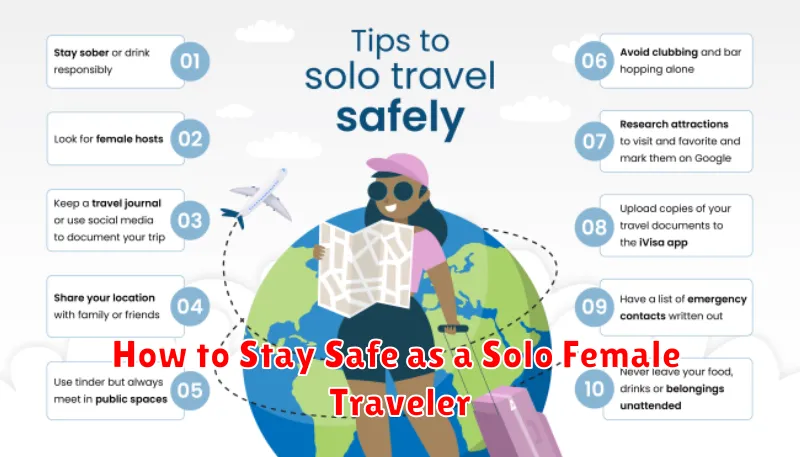
Traveling solo as a female can be an incredibly empowering and enriching experience. It allows for self-discovery, independence, and the freedom to explore the world at your own pace. However, it’s essential to prioritize safety and take necessary precautions to ensure a smooth and enjoyable trip. This article provides comprehensive guidance on how to stay safe as a solo female traveler, covering everything from pre-trip planning to on-the-ground strategies. Learn how to mitigate risks, handle emergencies, and confidently navigate new environments while traveling alone.
Whether you’re a seasoned adventurer or planning your first solo trip, this guide offers practical tips and valuable insights to enhance your safety and security. We’ll delve into topics such as researching your destination, sharing your itinerary, staying aware of your surroundings, and trusting your instincts. Empower yourself with the knowledge and tools to travel solo with confidence and peace of mind, maximizing your enjoyment and creating unforgettable memories.
Solo Travel as a Woman: The Rewards and Risks
Solo female travel offers incredible rewards, including enhanced self-discovery, independence, and the opportunity to experience the world on your own terms. You can set your own itinerary, indulge your specific interests, and truly connect with the local culture at your own pace. The sense of accomplishment gained from navigating unfamiliar territories and overcoming challenges is unparalleled. However, it’s crucial to acknowledge that solo female travel also presents unique risks.
While the vast majority of travel experiences are positive, women traveling alone should be aware of potential safety concerns. These can include harassment, theft, or other forms of crime. Thorough planning and research are essential to mitigate these risks. This includes informing others of your itinerary, staying in reputable accommodations, being aware of your surroundings, and respecting local customs. Learning a few basic phrases in the local language can also be incredibly helpful.
Balancing the rewards and risks of solo female travel requires careful consideration. Preparation and awareness are key to a safe and empowering journey. By taking necessary precautions and remaining informed, women can experience the transformative benefits of solo travel while minimizing potential dangers.
Pre-Trip Safety Planning
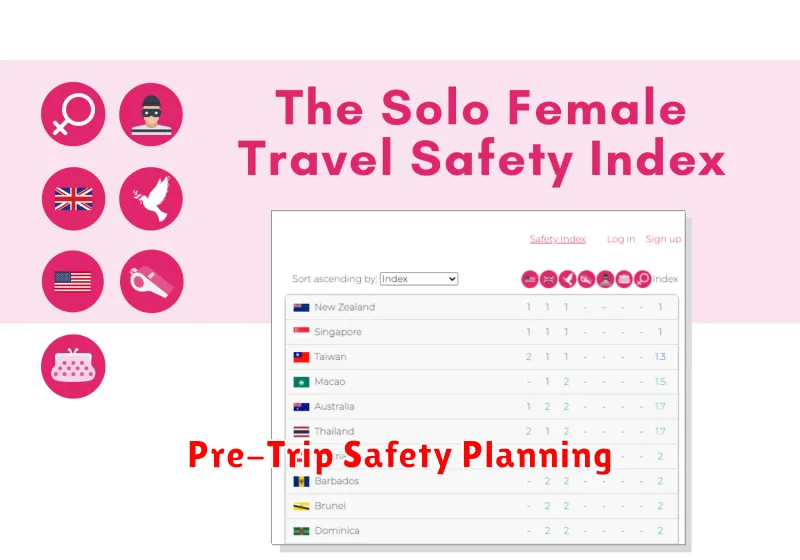
Thorough pre-trip safety planning is essential for a successful and safe journey. This involves researching your destination, understanding potential risks, and taking necessary precautions. Researching local laws, customs, and potential hazards like weather or crime rates will allow you to anticipate challenges and make informed decisions. Preparing copies of important documents such as your passport, driver’s license, and itinerary, and storing them separately from the originals, is also a critical step in ensuring a smooth trip.
Equipping yourself with appropriate safety measures is crucial. This includes packing a well-stocked first-aid kit, informing someone trustworthy about your itinerary and estimated return, and learning basic first-aid and self-defense techniques. Consider travel insurance to cover unexpected medical expenses or trip disruptions. Depending on your destination, necessary vaccinations and preventative medications should also be discussed with your healthcare provider.
Finally, while traveling, maintain situational awareness. Avoid displaying expensive jewelry or technology, be cautious of your surroundings, and trust your instincts. If a situation feels unsafe, remove yourself. Stay in well-lit and populated areas, especially at night. Regularly communicate with your contact person back home and update them on your whereabouts. These simple yet effective precautions can significantly enhance your safety and contribute to a positive travel experience.
Choosing Safe Accommodation
Selecting safe accommodation is paramount when traveling. Thoroughly research potential lodgings beforehand. Consider factors such as the neighborhood’s reputation, proximity to emergency services, and the establishment’s security measures. Online reviews can provide valuable insights into past guests’ experiences related to safety and security. Look for properties that feature well-lit entrances, secure locks on doors and windows, and potentially 24-hour reception or security personnel.
Once you arrive, be observant of your surroundings. Familiarize yourself with emergency exits and fire safety procedures. Keep your valuables secure, utilizing in-room safes or secure lockers provided by the accommodation. Avoid displaying expensive jewelry or electronics, and be cautious about sharing your room number or travel plans with strangers. If traveling alone, inform someone you trust of your accommodation details and expected check-out time.
If something feels amiss or makes you uncomfortable about the security of your accommodation, don’t hesitate to address your concerns with the management. If the issues are not resolved to your satisfaction, consider relocating to a different establishment. Prioritizing your safety and peace of mind is crucial throughout your travels.
Using Transportation Wisely
Transportation plays a vital role in our daily lives, enabling us to commute to work, access essential services, and connect with loved ones. However, our transportation choices have significant impacts on the environment, our health, and our communities. Using transportation wisely involves considering the environmental impact, the economic costs, and the overall efficiency of our journeys. By making informed decisions, we can contribute to a more sustainable and equitable transportation system.
Several strategies can help individuals use transportation more wisely. Choosing sustainable modes of transportation like walking, cycling, or using public transit reduces our carbon footprint and promotes physical activity. When driving is necessary, carpooling, combining trips, and ensuring proper vehicle maintenance can minimize fuel consumption and emissions. Furthermore, planning routes efficiently and utilizing navigation tools can help avoid traffic congestion and save time.
Ultimately, responsible transportation choices benefit everyone. By reducing our reliance on single-occupancy vehicles, we can improve air quality, decrease traffic congestion, and create more livable communities. Investing in sustainable transportation infrastructure and promoting alternative modes of transport are crucial steps towards creating a healthier and more efficient transportation system for the future.
Local Etiquette and Dress Codes

Understanding local etiquette and dress codes demonstrates respect and helps ensure a smooth and enjoyable experience. Politeness is generally valued, and simple greetings such as “hello” and “thank you” go a long way. Be mindful of cultural norms, especially in religious sites or ceremonies. Researching basic customs beforehand can prevent unintentional misunderstandings. For example, removing your shoes before entering a home or place of worship is common in many cultures.
Dress codes vary widely depending on the location and occasion. While casual attire is often acceptable for everyday activities, some situations may require more formal attire. Conservative dress is generally recommended when visiting religious sites or attending official events. This might involve covering shoulders and knees or avoiding overly revealing clothing. When in doubt, it is always best to err on the side of modesty.
Be aware of specific local customs that may influence etiquette and dress. In some cultures, public displays of affection are discouraged, while in others, certain hand gestures may be considered offensive. Paying attention to the behavior of those around you can provide valuable cues. Adapting to local customs, even in small ways, shows respect and fosters positive interactions.
Avoiding Unwanted Attention
Staying safe requires awareness and proactive measures to minimize the risk of becoming a target. Trust your instincts. If a situation or person makes you uncomfortable, remove yourself. Avoid walking alone, especially at night or in isolated areas. When possible, walk with a friend or in well-lit, populated areas. Be mindful of your surroundings and avoid distractions like cell phones or headphones, which can limit your awareness.
Project confidence. Walk with purpose and make eye contact with people you pass. This can deter potential aggressors. Appear assertive and in control, even if you feel nervous. If someone approaches you and makes you feel uneasy, use a firm voice to tell them to leave you alone. If they persist, draw attention to yourself by yelling or making a scene. Knowing basic self-defense techniques can also boost your confidence and provide you with options if a physical confrontation occurs.
Protecting your personal information is also crucial. Be cautious about sharing personal details online or with strangers. Avoid displaying expensive jewelry or electronics that could attract unwanted attention. Be aware of your surroundings when using ATMs or making purchases. If you feel you are being followed, quickly enter a public place or contact the police. Remember, your safety is paramount. Taking preventative measures can significantly reduce your risk of becoming a victim.
Staying Connected with Family or Friends
Staying connected with loved ones is crucial for maintaining strong relationships and overall well-being. In today’s busy world, it can be challenging to find the time, but prioritizing connection is essential. Regular communication, whether through a quick phone call, video chat, or even a short text message, can make a big difference. Small gestures of connection show you care and strengthen the bonds between you.
Technology offers a wealth of opportunities to stay in touch. Video conferencing platforms allow for face-to-face interactions, bridging geographical distances. Social media can be a useful tool for sharing updates and staying involved in each other’s lives, but remember to balance online interaction with real-world connection. Don’t underestimate the value of a handwritten letter or card; these personal touches can be particularly meaningful.
Beyond digital communication, consider planning quality time together. Shared activities, whether a simple meal together, a weekend trip, or participating in a shared hobby, create lasting memories and strengthen bonds. The key is to be intentional and present when you’re together, focusing on the connection and enjoying each other’s company.
Apps That Can Help in Emergencies
When facing an emergency, quick access to information and resources is crucial. Several mobile apps can provide valuable assistance during various crisis situations. These apps offer features such as emergency alerts, first aid instructions, emergency contact information, and even GPS location sharing. Being prepared with these tools can help you stay safe and informed during a natural disaster, medical emergency, or other critical incident.
Some apps specialize in specific types of emergencies. For example, some focus on natural disasters like hurricanes or earthquakes, providing real-time updates and safety tips. Others focus on medical emergencies, offering step-by-step first aid guides and allowing you to quickly contact emergency services. Researching and downloading a few reputable emergency apps before a crisis strikes can help you react quickly and effectively in a stressful situation.
It’s important to remember that while these apps can be incredibly helpful, they should not be considered a replacement for professional help. Always contact emergency services (like 911 in the United States) if you are experiencing a serious emergency. These apps should be seen as supplementary tools to assist you while waiting for professional assistance. Remember to keep your app updated and familiarize yourself with its features before an emergency occurs.
