
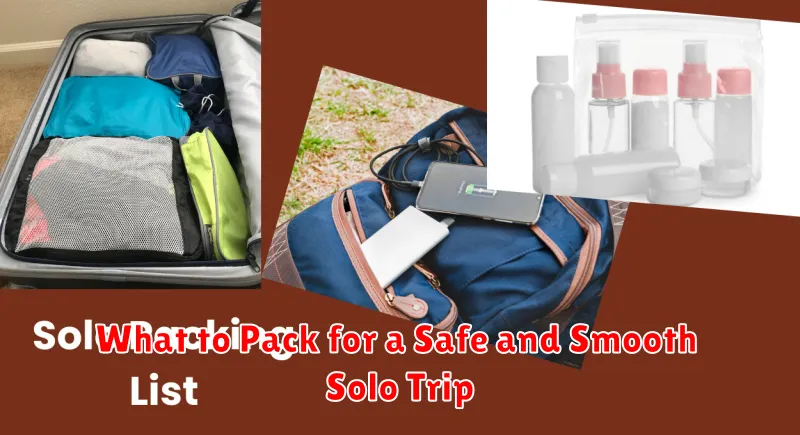
Embarking on a solo trip is an incredibly rewarding experience. It offers a unique opportunity for self-discovery, exploration, and creating memories at your own pace. However, careful planning is essential for a safe and smooth journey, and packing strategically plays a crucial role. Knowing what to pack can significantly impact your travel experience, minimizing stress and maximizing enjoyment. This guide will provide a comprehensive packing list tailored for solo travelers, covering essential items for safety, convenience, and comfort, ensuring your solo adventure is both fulfilling and worry-free.
Whether you’re planning a backpacking adventure through Southeast Asia, a city break in Europe, or a road trip across the United States, understanding what to pack for a solo trip is paramount. From essential safety items and practical gear to comfort essentials and entertainment options, this guide will equip you with the knowledge to pack efficiently and effectively. By following these recommendations, you can confidently embark on your solo journey, prepared for any situation and ready to embrace the freedom and excitement of independent travel. Ensure your solo trip is both safe and smooth by packing smart.
The Importance of Travel-Ready Essentials
Careful planning and packing are crucial for a smooth and enjoyable trip, whether for business or leisure. Essential items ensure you’re prepared for common travel inconveniences and emergencies. These essentials can range from necessary documents like passports and visas to practical items such as a first-aid kit, portable charger, and adaptable clothing. Being equipped with these travel-ready essentials allows you to navigate unexpected situations with greater confidence and minimize disruptions to your itinerary.
Beyond the practical benefits, having essential items readily available contributes significantly to peace of mind. Knowing you’re prepared for potential challenges, from a sudden change in weather to a minor medical issue, can significantly reduce stress and allow you to fully immerse yourself in the travel experience. This preparedness fosters a sense of self-reliance and allows for greater spontaneity, enabling you to embrace unexpected opportunities without worry.
Ultimately, the importance of travel-ready essentials lies in their ability to transform your trip from potentially stressful to seamlessly enjoyable. By investing time in thoughtful preparation and packing, travelers can focus on what truly matters: experiencing new cultures, connecting with people, and creating lasting memories. This proactive approach allows you to maximize your enjoyment and ensures your travel experience remains a positive and memorable one.
Packing Light but Smart
Traveling light offers numerous advantages, from increased mobility and reduced baggage fees to less stress and a more streamlined travel experience. The key to packing light, however, isn’t simply bringing fewer items, but bringing the right items. Careful planning and a strategic approach are essential to ensure you have everything you need without overpacking.
Begin by considering your destination and planned activities. Research the typical weather conditions and dress code. Make a packing list organized by category (clothing, toiletries, electronics, etc.) and prioritize versatile items that can be mixed and matched to create multiple outfits. Neutral colors are generally recommended for clothing as they offer greater flexibility. Rolling your clothes instead of folding them can save space and minimize wrinkles. Consider travel-sized toiletries and utilizing packing cubes to further organize and compress your belongings.
Finally, be realistic about what you’ll truly need. Challenge yourself to leave behind items you *might* use in favor of essentials. Remember that most common items can be purchased at your destination if necessary. Packing light not only simplifies your journey but also allows you to be more adaptable and spontaneous, embracing the unexpected with ease.
Emergency Items to Always Include
A well-stocked emergency kit is crucial for navigating unexpected situations. Essential items for survival include water (one gallon per person per day for at least three days), non-perishable food (enough for three days minimum), a first-aid kit containing bandages, antiseptic wipes, pain relievers, and any personal medications. A hand-crank or battery-powered radio with NOAA weather alerts, a flashlight, and extra batteries are also critical for communication and light during power outages.
Beyond the basics, additional items can significantly improve comfort and safety. Consider including a multi-tool or knife, a whistle to signal for help, dust masks for air filtration, moist towelettes, garbage bags, and plastic ties for shelter repair or securing items. A local map can be helpful in case GPS is unavailable. If you have infants or pets, be sure to include specialized supplies like formula, diapers, or pet food.
Remember to store your emergency kit in a readily accessible location and check it regularly to ensure food and water are fresh, and batteries are working. Regularly updating your kit based on changing needs and circumstances is a key part of preparedness. Consider also a portable phone charger for maintaining communication.
Tech and Tools for Navigation and Safety
Navigation and safety have been revolutionized by technology, offering a range of tools for individuals and professionals. GPS devices and smartphone apps provide real-time location information, turn-by-turn directions, and estimated times of arrival. These tools often incorporate features like traffic updates, offline maps, and points of interest, enhancing both convenience and safety. Beyond personal navigation, technologies like AIS (Automatic Identification System) are crucial for maritime safety, allowing ships to broadcast their position, speed, and other relevant data to avoid collisions. Similarly, EPIRBs (Emergency Position Indicating Radio Beacons) and Personal Locator Beacons (PLBs) provide a critical link to emergency services in remote areas, enabling rapid response in distress situations.
Advancements in sensor technology contribute significantly to both navigation and safety. Radar, lidar, and sonar systems provide detailed information about the surrounding environment, assisting in obstacle avoidance and enhancing situational awareness. These technologies are essential in aviation, maritime navigation, and autonomous vehicle development. Furthermore, weather forecasting technology, utilizing sophisticated models and data analysis, provides crucial information for planning safe travel routes and anticipating potential hazards. Real-time weather alerts can help individuals and organizations make informed decisions and take appropriate precautions.
Integration of these technologies creates even more powerful tools. For example, many modern vehicles now combine GPS, radar, and camera systems to provide advanced driver-assistance features like adaptive cruise control, lane keeping assist, and automatic emergency braking. This integration not only enhances safety but also improves the overall driving experience. As technology continues to advance, we can expect further integration and innovation in navigation and safety tools, leading to safer and more efficient travel for all.
Clothing That Blends in
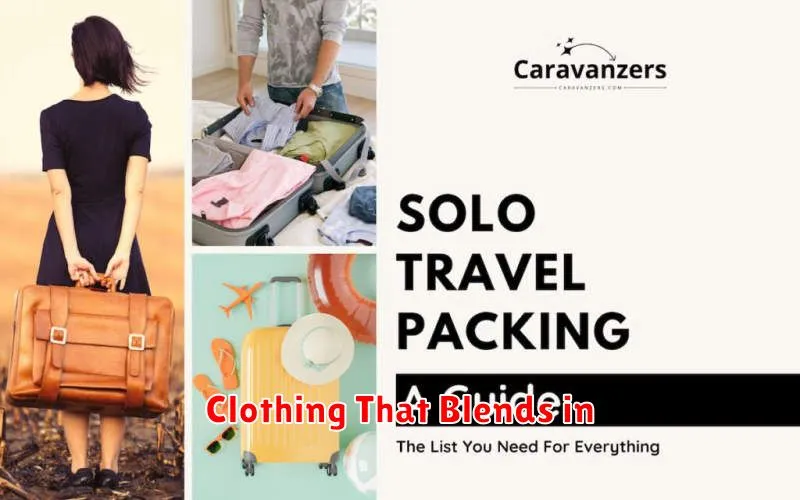
Blending in with your surroundings can be crucial for a variety of reasons, from wildlife photography to security work. Choosing the right clothing is paramount. Neutral colors like browns, greens, and grays are your best bet, as they mimic natural environments. Avoid bright colors or patterns that will draw attention. The fabric should also be considered. Noisy, rustling fabrics will give you away, so opt for quiet, soft materials.
Consider the environment you’ll be in. Desert environments require lightweight, breathable fabrics in tans and browns. Woodland areas call for greens and browns, while urban settings might benefit from darker grays and blacks. Camouflage patterns specifically designed for your environment can be extremely effective.
Beyond color and pattern, the cut and style of your clothing also matter. Loose-fitting clothing can snag on branches or create noise. Choose clothing that fits well but allows for comfortable movement. A hat can help break up your outline and provide additional concealment. Remember, blending in is about minimizing your visual and auditory presence.
Health and Hygiene Must-Haves
Maintaining good health and hygiene is crucial for overall well-being. This involves focusing on both internal and external factors. Essential daily habits include consuming a balanced diet rich in fruits, vegetables, and whole grains, along with drinking plenty of water. Regular exercise contributes significantly to physical health and stress management. Equally important is prioritizing sleep to allow the body to rest and repair itself.
External hygiene practices are equally vital. Regular handwashing with soap and water, especially after using the restroom and before handling food, helps prevent the spread of germs. Daily showering or bathing keeps the body clean and reduces the risk of skin infections. Oral hygiene, including brushing and flossing twice a day, is crucial for maintaining healthy teeth and gums. Additionally, keeping living spaces clean and disinfected minimizes exposure to harmful bacteria and allergens.
Beyond these basics, certain items can greatly assist in maintaining optimal hygiene. These must-haves often include: hand sanitizer for on-the-go cleansing, sunscreen to protect against harmful UV rays, and a first-aid kit for minor injuries. By consistently practicing these healthy habits and utilizing essential hygiene products, individuals can significantly improve their overall well-being and quality of life.
Backup Copies of Important Documents
Creating backup copies of important documents is crucial for protecting yourself from data loss due to various factors such as hardware failure, theft, or natural disasters. Maintaining backups ensures you can recover vital information quickly and efficiently should the original documents become inaccessible. Consider backing up essential documents like birth certificates, passports, financial records, legal agreements, and medical records.
There are several methods for creating backup copies. You can use an external hard drive to store copies of your files separately from your computer. Cloud storage services offer another option, allowing you to save your documents securely online. You can also use a combination of methods for added security. Regardless of the method chosen, it’s essential to update your backups regularly to reflect any changes or additions to your important documents.
When creating backups, consider following the 3-2-1 rule. This rule suggests having three copies of your data, stored on two different media types, with one copy located offsite. This strategy provides comprehensive protection against data loss. Remember to store physical backups in a secure and safe location, and choose strong passwords for online backups. Regularly test your backups to ensure they are working correctly and the data is recoverable.
How to Organize Your Gear for Efficiency
Organizing your gear effectively can save you valuable time and reduce frustration. Start by categorizing your items based on their purpose or frequency of use. For example, group photography equipment together, camping gear separately, and so on. Then, utilize appropriate storage solutions like bins, drawers, shelves, or specialized organizers designed for specific gear like camera bags or tackle boxes. Labeling everything clearly is crucial for quick identification and retrieval.
Within each category, consider implementing a system for arranging items. You might organize by size, weight, color, or alphabetically. The key is to choose a system that makes sense for you and stick with it. For frequently used items, prioritize accessibility by placing them in easily reachable locations. Less frequently used gear can be stored in less accessible areas. Regularly decluttering and getting rid of unused or broken gear will also help maintain an organized system.
Finally, consider the environment where your gear will be stored. Protect delicate items from moisture, extreme temperatures, or dust. Utilize airtight containers or desiccants as needed. For valuable or sensitive gear, consider security measures like locks or secure storage locations. By implementing these organizational strategies, you’ll be able to quickly locate and access your gear whenever you need it, improving your overall efficiency.
