
Navigating the nuances of international dining can be a challenging yet rewarding experience. Etiquette tips for dining abroad are crucial for any traveler hoping to immerse themselves in different cultures respectfully. Understanding local customs can transform a simple meal into a memorable cultural exchange, preventing unintentional faux pas and fostering genuine connections with people around the world. This guide explores essential dining etiquette tips to help you confidently navigate dining situations in various countries, ensuring a positive and enriching cultural experience.
From using chopsticks correctly in Japan to mastering the art of the fork and knife in Europe, adhering to proper dining etiquette demonstrates respect and appreciation for the local culture. This article delves into specific etiquette guidelines for various regions, covering topics such as appropriate attire, tipping customs, and conversation starters. Whether you’re embarking on a culinary adventure through Asia, exploring the vibrant food scene of South America, or indulging in the gastronomic delights of Europe, these etiquette tips will equip you with the cultural awareness necessary to dine abroad without offending locals, fostering positive interactions and enriching your travel experience.
Why Dining Etiquette Matters Globally
Dining etiquette plays a crucial role in making a positive impression, whether in personal or professional settings worldwide. Understanding and adhering to cultural norms around dining demonstrates respect and consideration for your hosts and fellow diners. It facilitates smoother interactions, enhances communication, and can even contribute to successful business negotiations. Ignoring proper etiquette, on the other hand, can lead to misunderstandings, awkwardness, and potentially damage relationships.
While specific customs vary across cultures, some universal principles apply. These include being punctual, dressing appropriately, waiting for the host to begin eating, using utensils correctly, and engaging in polite conversation. Demonstrating basic table manners such as chewing with your mouth closed, not speaking with your mouth full, and placing your napkin on your lap are essential regardless of where you are in the world. These seemingly small gestures communicate a level of professionalism and social awareness.
Taking the time to research and practice proper dining etiquette before traveling or attending international events is a worthwhile investment. It allows you to focus on building relationships and achieving your objectives without the distraction of social faux pas. By demonstrating cultural sensitivity and respect through proper dining conduct, you can create a positive and memorable experience for yourself and those around you.
Common Mistakes Tourists Make
Traveling to a new place can be exciting, but tourists often make avoidable mistakes. One common error is lack of research. Failing to research local customs, transportation options, and basic phrases in the local language can lead to frustrating situations and cultural misunderstandings. Additionally, neglecting to check visa requirements or necessary vaccinations can derail travel plans entirely. Over-planning is another frequent issue. While having a general itinerary is helpful, packing every minute with activities can lead to burnout and missed opportunities for spontaneous exploration. Remember to build in flexibility to truly experience the local culture and adjust to unexpected delays.
Another common mistake is mismanaging money. Not informing your bank of travel plans can result in blocked cards and difficulty accessing funds. Relying solely on credit cards can lead to high transaction fees, while carrying large amounts of cash poses a security risk. A combination of cards and local currency, obtained from reputable sources like banks or official exchange bureaus, is advisable. Furthermore, neglecting to research the tipping customs of your destination can lead to awkward situations or unintentionally offending local service providers. Being mindful of cultural norms surrounding gratuities shows respect and ensures fair compensation.
Finally, tourists often fall prey to safety oversights. Becoming overly engrossed in taking photos or checking maps can make you a target for pickpockets or scams. Staying aware of your surroundings and keeping valuables secure is crucial. Ignoring local advice on safe neighborhoods or venturing into unfamiliar areas alone, especially at night, can put your safety at risk. Always exercise caution, especially in crowded areas or tourist hotspots. Additionally, neglecting to purchase appropriate travel insurance can leave you vulnerable to unforeseen medical expenses, lost luggage, or canceled flights.
Eating with Hands or Utensils?
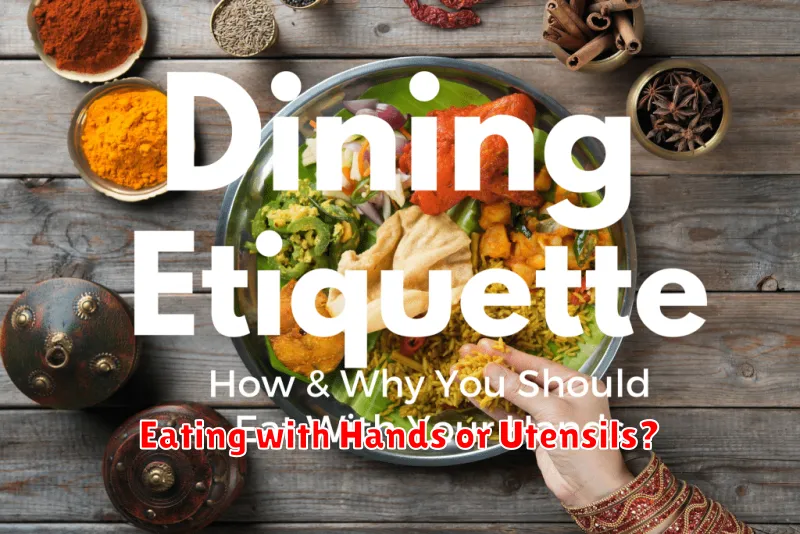
The choice between eating with hands or utensils is largely dictated by culture and context. In some cultures, eating with hands is the norm and considered a sign of respect for the food and tradition. This is often seen in parts of Africa, the Middle East, and Asia, where specific techniques are employed to ensure hygienic handling of food. Conversely, many Western cultures prioritize the use of utensils like forks, knives, and spoons, viewing it as more refined and sanitary. Ultimately, the most appropriate method depends on the specific cultural setting and the type of food being consumed.
Beyond cultural norms, practicality plays a significant role. Certain foods, such as sandwiches, tacos, or certain types of bread, are often easier and more naturally consumed by hand. Other dishes, like soups, stews, or foods with complex sauces, generally necessitate utensils for efficient and neat consumption. Personal preference also influences the choice, with some individuals simply preferring the tactile experience of eating with their hands, while others find utensils more comfortable and convenient.
Regardless of the method chosen, hygiene should always be a priority. Thorough handwashing before and after eating is crucial, especially when eating with hands. When using utensils, proper etiquette should be observed, such as not speaking with a full mouth and using the correct utensils for each course. Ultimately, whether one chooses to eat with hands or utensils, mindful and respectful dining practices should always be observed.
Table Manners in Asia, Europe, and the Middle East
Asian table manners vary greatly by region, but some common themes exist. In many East Asian cultures, like China, Japan, and Korea, using chopsticks is the norm, and it’s considered impolite to stick them upright in a bowl of rice. Sharing dishes is also common, so it’s important to serve others before yourself. In some Southeast Asian countries, like Thailand and Malaysia, eating with your hands is acceptable and often preferred when consuming certain dishes. Regardless of the specific customs, showing respect for elders and the host is crucial across Asian dining experiences.
European table manners tend to be more formalized. In most of Europe, it’s considered rude to begin eating before everyone is served. The fork and knife are the primary utensils, and it’s customary to keep your hands visible above the table. Unlike some Asian cultures, talking with your mouth full is generally frowned upon. Proper posture is important, and placing elbows on the table is often considered impolite. While specific customs can vary between countries, a general emphasis on politeness and decorum is consistent throughout European dining etiquette.
Middle Eastern table manners often involve communal dining and a strong sense of hospitality. In many Middle Eastern countries, it’s customary to eat with the right hand, as the left hand is traditionally considered unclean. Guests are often offered a vast array of dishes, and it’s polite to accept food and drinks with the right hand. Similar to some Asian cultures, expressing gratitude and respect for the host is paramount. It’s considered polite to finish everything on your plate to show appreciation for the meal.
Tipping Rules Around the World
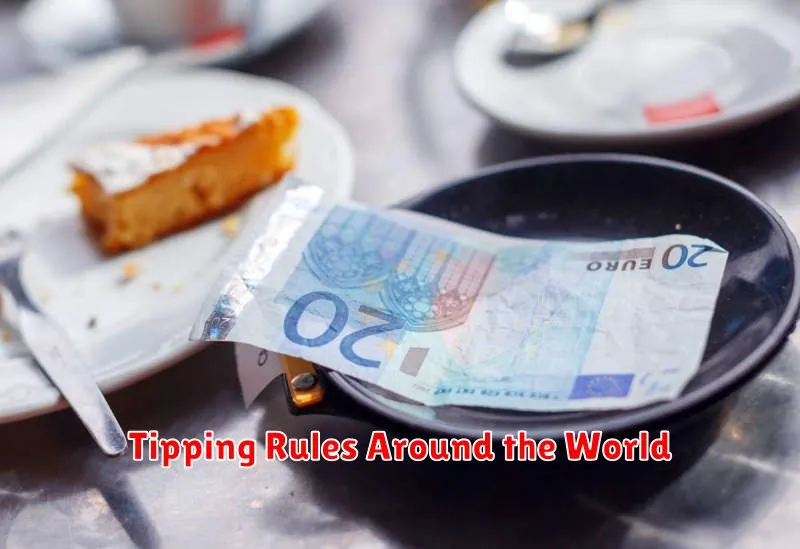
Tipping customs vary significantly across the globe. In some countries, like the United States, tipping is deeply ingrained and considered essential for service industry workers. A typical tip in restaurants is between 15-20% of the pre-tax bill, while other service providers like taxi drivers, hairdressers, and bartenders typically receive 15-20% as well. In contrast, tipping is less common or even considered insulting in other cultures, such as Japan and South Korea, where excellent service is expected as part of the job.
Many nations fall somewhere in between these two extremes. In countries like Australia and most of Europe, tipping is appreciated but not mandatory. A small tip for exceptional service is welcome, typically around 5-10%. In some European countries a service charge may already be included in the bill, so it’s important to check. It’s always wise to research the specific tipping customs of a country before traveling to avoid any cultural missteps.
When in doubt, observe locals or discretely inquire about the customary practice. Being mindful of local customs demonstrates respect and ensures a smoother travel experience. Remember that a genuine smile and a thank you are always appreciated, regardless of tipping practices.
Food Sharing Traditions
Sharing food is a fundamental aspect of many cultures worldwide. It represents much more than simply consuming sustenance; it signifies community, generosity, and connection. From celebratory feasts to everyday meals, the act of sharing food strengthens social bonds and reinforces a sense of belonging. This practice often carries symbolic meaning, expressing gratitude, respect, and goodwill among individuals and groups.
Food sharing traditions take diverse forms across the globe. Think of the potluck dinners common in North America, where guests contribute a dish to create a shared meal. Or consider the elaborate Japanese tea ceremony, where the preparation and presentation of tea symbolize hospitality and mindfulness. In many Indigenous cultures, communal meals are central to ceremonies and celebrations, reflecting a deep connection to the land and its resources.
The benefits of food sharing extend beyond the social. Sharing food can also promote healthier eating habits by introducing individuals to new ingredients and cuisines. It can reduce food waste by ensuring that excess food is consumed rather than discarded. Furthermore, food sharing initiatives, like community gardens and food banks, play a vital role in addressing food insecurity and promoting equitable access to nutritious meals.
What Not to Say or Do at the Table
Dining etiquette is all about showing respect and consideration for others. Avoid reaching across the table – instead, politely ask for items to be passed. Refrain from talking with your mouth full, chewing with your mouth open, or making loud noises while eating. Keep your phone silenced and avoid using it at the table unless absolutely necessary. Being present and engaged with your fellow diners is key to a pleasant meal.
Personal grooming should be done in private, not at the table. This includes applying makeup, combing your hair, and picking your teeth. Similarly, avoid discussing unpleasant topics such as illness or bodily functions. Focus on engaging in positive and appropriate conversation. Remember to use your napkin frequently and keep your elbows off the table while eating.
Be mindful of the pace of the meal and try to finish eating around the same time as others. Don’t begin eating until everyone has been served, and avoid making negative comments about the food. If you have dietary restrictions, it is acceptable to politely inform your host in advance. Above all, be polite and considerate of those around you, and strive to create a pleasant and enjoyable dining experience for everyone.
