
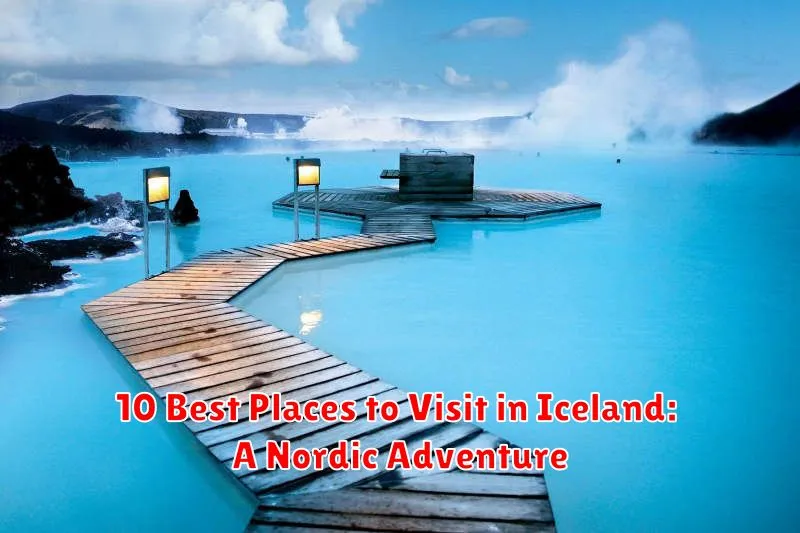
Embark on a thrilling Nordic adventure with our curated list of the 10 Best Places to Visit in Iceland. Known for its breathtaking landscapes and rich cultural heritage, Iceland offers travelers an unforgettable experience that combines natural wonder with the serene beauty typical of Nordic countries. Whether you’re marveling at the majestic waterfalls or immersing yourself in the vibrant city life of Reykjavík, Iceland has something to captivate every type of traveler.
Join us as we journey through the must-see destinations Iceland has to offer. From the mesmerizing Northern Lights to the tranquil Blue Lagoon, our guide will introduce you to the highlights of this unique island nation. Dive into the heart of Iceland to explore its stunning glaciers, dramatic volcanoes, and pristine wilderness. Let this article be your gateway to planning an unforgettable escape to the land of fire and ice.
Blue Lagoon
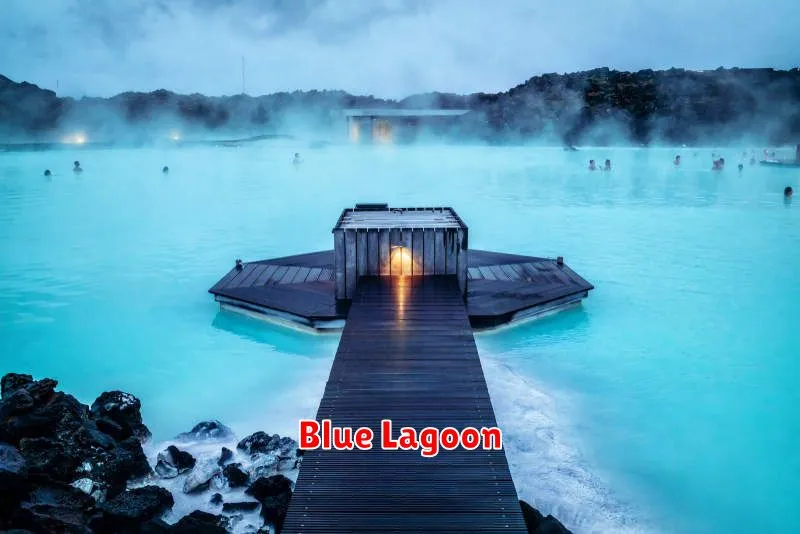
Venture into the mystic realm of Iceland, where the Blue Lagoon offers an unparalleled geothermal experience. Situated in a lava field near Grindavík on the Reykjanes Peninsula, this iconic spa is a sanctuary of relaxation and rejuvenation.
Geothermal Bliss
The water in the Blue Lagoon is rich with minerals like silica and sulfur, known for their healing properties. This makes it a perfect spot not only for a leisurely soak but also for skin treatments and wellness therapy. The lagoon’s milky-blue waters maintain a comforting temperature of around 37-39°C (98-102°F), inviting visitors year-round, regardless of the chill in the air.
The Science Behind the Magic
This incredible destination is man-made, originally a byproduct of the nearby geothermal power plant, Svartsengi. The mineral-rich water is renewed every 48 hours, ensuring a clean swim while showcasing nature’s remarkable interplay with technology.
Visit Tips
- Book in advance: The Blue Lagoon is a popular attraction, and booking ahead is essential to securing your preferred time slot.
- Best time to visit: Early mornings or late evenings offer a more serene experience.
- Stay options: Consider an overnight stay at one of the nearby luxury hotels to fully immerse yourself in this unique environment.
Golden Circle
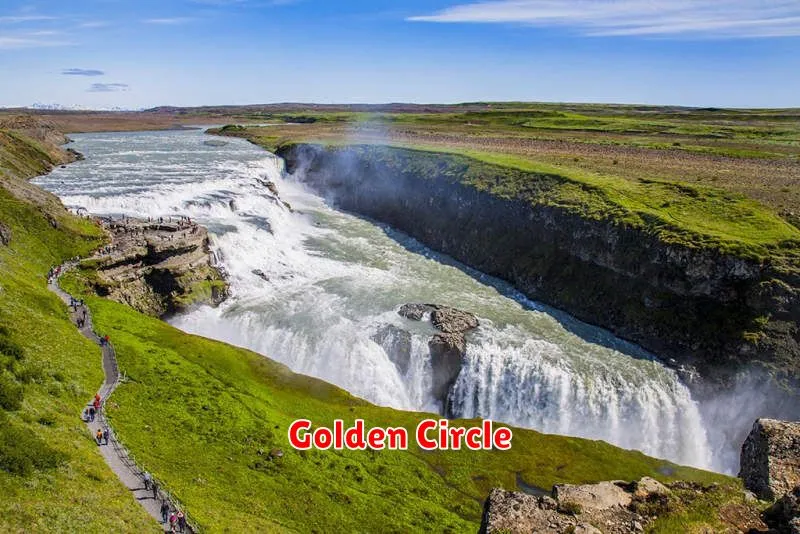
The Golden Circle is Iceland’s most famous tourist route, promising an unforgettable adventure through some of the country’s most stunning natural landscapes. Full of spectacular sights and geological wonders, it spans about 300 kilometers, offering a blend of beauty and history that is unmatched.
Major Attractions Along the Golden Circle
Embarking on the Golden Circle journey, you’ll encounter several must-see destinations. Here are three major attractions:
- Þingvellir National Park: Known for its historical significance and unique geology, this UNESCO World Heritage Site is where the North American and Eurasian tectonic plates meet. It is also the site of Iceland’s ancient parliament, the Alþingi, established in 930 AD.
- Geysir Geothermal Area: Home to the great geyser from which all others are named, this area offers a dazzling display of geothermal activity. Witness the awe-inspiring eruptions of Strokkur geyser, which occur every few minutes, shooting boiling water up to 40 meters in the air.
- Gullfoss Waterfall: Translating to “Golden Falls,” Gullfoss is one of Iceland’s most powerful and photogenic waterfalls. The waterfall’s two-tiered cascade drops dramatically into a rugged canyon, creating striking rainbows on sunny days.
Best Time to Visit
The Golden Circle is accessible year-round, but each season offers a unique experience. In summer, the midnight sun provides extended daylight, perfect for exploring deeper into the circle. Winter, on the other hand, turns the landscape into a winter wonderland with the added bonus of possibly witnessing the Northern Lights.
Tip: Start your tour early in the morning or later in the afternoon to avoid the peak tourist crowds and enjoy the scenery at a more leisurely pace.
Reykjavik
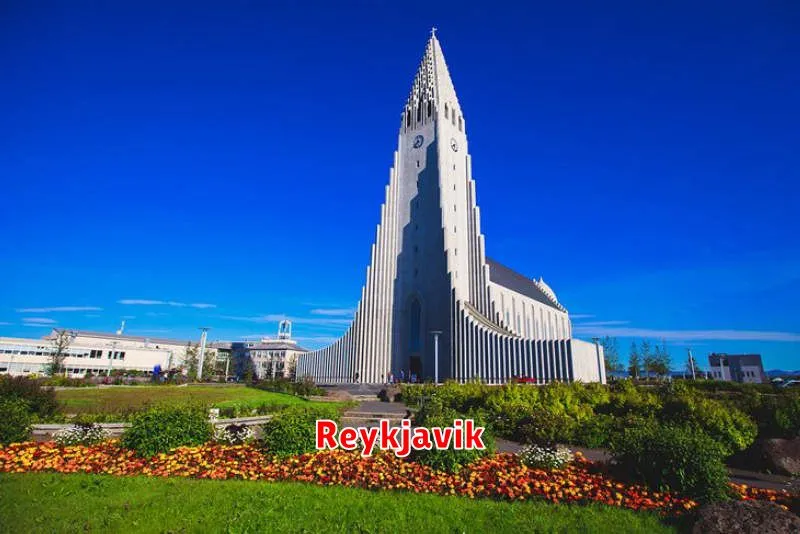
As the capital city of Iceland, Reykjavik is a vibrant hub that offers a unique blend of culture, history, and modernity. Located on the country’s southwestern coast, this city is not only the political and economic center of Iceland but also a significant travel destination that promises an unforgettable experience.
Explore the Local Culture
Reykjavik is rich in history and culture, boasting a variety of museums and galleries. Visit the National Museum of Iceland to learn about the nation’s intriguing past. Art enthusiasts should not miss the Reykjavik Art Museum, which showcases contemporary works by Icelandic artists.
Enjoy Reykjavik’s Nightlife
The city may be small compared to other capitals, but its nightlife is lively. Reykjavik’s bars and clubs are renowned for their vibrant atmosphere, with many venues hosting live music performances. If you are a fan of music, make sure to check out Laugavegur, the city’s main street, known for its bustling nightlife scene.
Sample Icelandic Cuisine
Food lovers will delight in Reykjavik’s diverse culinary scene. You can savor traditional dishes at local restaurants such as kjötsúpa (lamb soup) or adventurous dishes like fermented shark. Don’t forget to try Iceland’s famous hotdogs from the city’s popular stand, Bæjarins Beztu Pylsur.
Top Attractions in Reykjavik
- Hallgrímskirkja: An iconic church that stands as one of the city’s most recognizable landmarks.
- Perlan: A futuristic dome offering stunning panoramic views of the city.
- Harpa Concert Hall: A remarkable architectural marvel known for its state-of-the-art acoustics.
Shopping and Souvenirs
For those interested in shopping, Reykjavik offers unique boutiques and shops that feature local handicrafts and products. Pick up a handmade woolen sweater or other Icelandic souvenirs to remember your adventure.
Reykjavik is a city that embodies the spirit of Iceland — a perfect blend of nature, history, and contemporary life. Whether you’re exploring its charming streets or indulging in the local culture, Reykjavik is a destination that is sure to captivate every traveler.
Jökulsárlón Glacier Lagoon
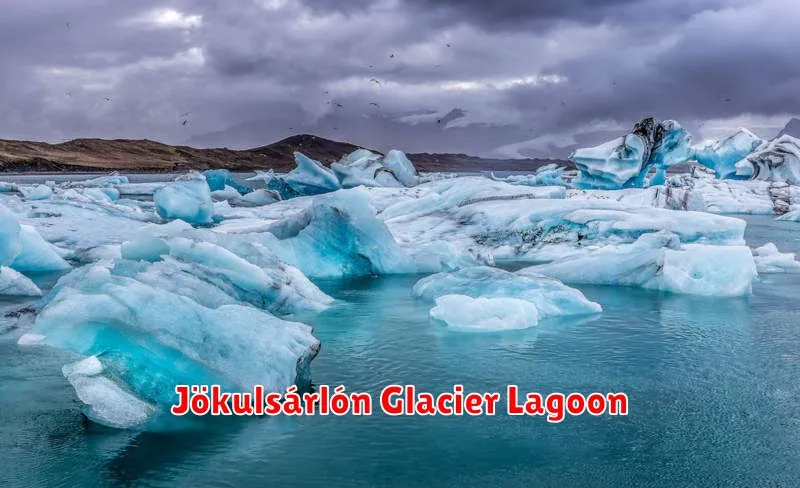
Located on the edge of Vatnajökull National Park, Jökulsárlón Glacier Lagoon presents an otherworldly landscape that captures the heart of every traveler. Known as one of Iceland’s crown jewels, this enchanting place is famed for its crystal-clear blue waters, punctuated by floating glacial icebergs breaking off from the Breiðamerkurjökull glacier.
Why Visit?
Jökulsárlón provides a unique glimpse into the breathtaking process of ice calving, where enormous chunks of ice break free and drift majestically across the lagoon. As you wander its shores, enjoy the tranquil beauty and listen to the melodious sounds of icebergs gently colliding—a natural symphony like no other.
Wildlife Sightings
If you’re lucky, you might spot seals playing amongst the icebergs or basking on their surfaces. The lagoon is also a favorite spot for bird watchers, with species such as the Arctic tern and Great skua making appearances, especially during the summer months.
Visitor Tips
- Best Time to Visit: Summer months (June-August) for full-daylight exploration and winter months for Northern Lights viewing.
- Activities: Consider a lagoon boat tour for an up-close view of the icebergs, or explore the nearby Diamond Beach where ice fragments wash ashore, glistening like gems on the black sand.
- Remember: The weather can be unpredictable; always pack warm clothing and waterproof gear.
Interesting Fact
The icebergs in Jökulsárlón are not only fascinating due to their size and beauty, but some have been dated to be over a thousand years old, offering a tangible connection to the Ice Age.
Northern Lights
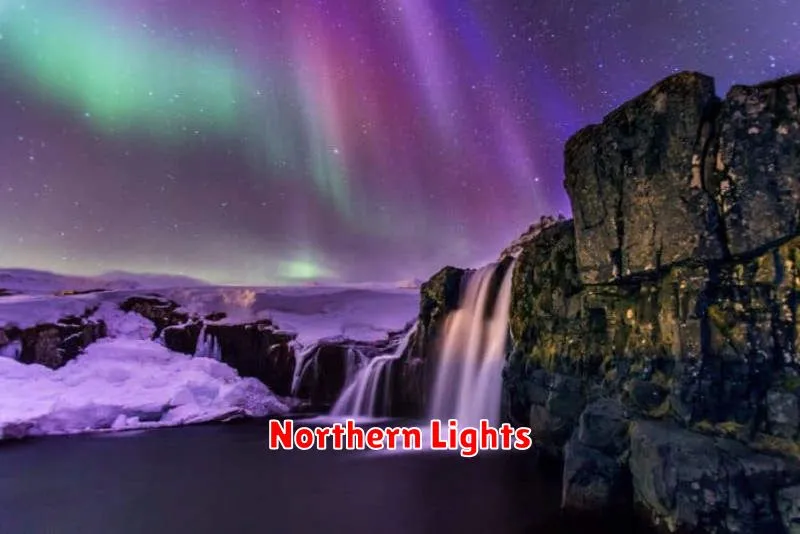
Iceland is a prime location for witnessing the mesmerizing dance of the Northern Lights, also known as the Aurora Borealis. This natural phenomenon, resulting from the interaction between solar particles and Earth’s magnetic field, paints the Icelandic skies with vibrant shades of green, pink, and purple.
Best Time to See the Northern Lights
The Northern Lights are visible from late September to early April. During these months, Iceland experiences long dark nights, providing optimal conditions for aurora watching. It’s best to stay away from urban areas to avoid light pollution and increase your chances of seeing this spectacular display.
Recommended Viewing Locations
While the Northern Lights can be seen from various parts of Iceland, some spots are especially popular due to their accessibility and minimal light interference. Here are a few top picks:
- Thingvellir National Park: Located on the Golden Circle, this UNESCO World Heritage site offers vast open spaces ideal for aurora sightings.
- Vik: This southern town, famous for its black sand beaches, provides a picturesque foreground for your Northern Lights photographs.
- Akureyri: Often less crowded than Reykjavik, this northern city serves as an excellent base for aurora excursions.
Tips for a Successful Viewing Experience
To enhance your Northern Lights experience, consider these helpful tips:
| Tip | Description |
|---|---|
| Check the Weather | Iceland’s weather can be unpredictable. Ensure the skies are clear for the best visibility. |
| Dress Warmly | Temperatures can drop significantly at night, so wear layers to stay comfortable. |
| Bring a Camera | Capture the majestic displays with a camera equipped for night photography. |
| Be Patient | Sometimes, the lights take their time to appear. Patience and perseverance are key. |
Vatnajökull National Park
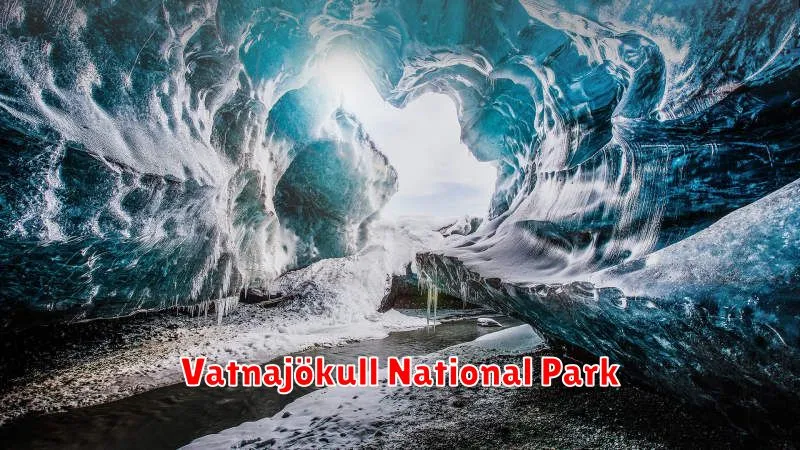
Immerse yourself in the magical world of Vatnajökull National Park, an enchanting expanse that houses the largest glacier in Europe—the mighty Vatnajökull. This sprawling park covers nearly 14% of Iceland’s landmass and offers a diverse range of natural wonders that will leave you in awe.
Glaciers and Geothermal Mystique
The park is best known for its majestic glaciers, which are accessible and surrounded by a plethora of geological formations. Don’t miss the chance to embark on a glacier hiking tour to explore the frozen beauty up close. Additionally, the geothermal activity under the icecap creates a mystical atmosphere filled with ice caves and intriguing landscapes.
Flora and Fauna
Despite its icy exterior, Vatnajökull National Park is home to a diverse range of flora and fauna. The lush valleys are dotted with plant life that has adapted to the harsh climate, while the rivers teem with various fish species. Enormous bird colonies also find sanctuary on the cliffs throughout the park.
Top Attractions within the Park
- Skaftafell: A verdant oasis where you can witness the stunning Svartifoss waterfall, surrounded by dramatic dark lava columns.
- Jökulsárlón: While part of the larger glacier region, this glacial lagoon offers mesmerizing views of icebergs drifting through crystal-clear waters.
- Grímsvötn: The most active volcano in Iceland, creating an ever-changing landscape.
Whether you’re an avid adventurer or simply seeking tranquility, Vatnajökull National Park provides a memorable experience that showcases the incredible power and beauty of Icelandic nature.
Dettifoss Waterfall
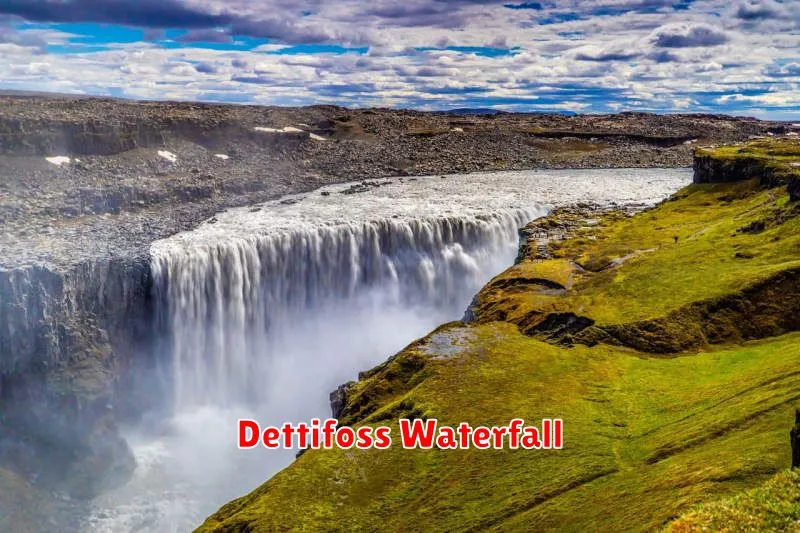
Dettifoss Waterfall, located in the Vatnajökull National Park, is a breathtaking natural wonder and one of Europe’s most powerful waterfalls. With a height of approximately 44 meters and a width of 100 meters, it is renowned for its sheer force and magnificent views.
Why Visit Dettifoss?
Dettifoss is often celebrated for its power and beauty. It is fed by the massive glacier river, the Jökulsá á Fjöllum, which originates from the Vatnajökull glacier. The thundering roar of the water crashing down the cliff is an unforgettable experience, often described as one of the most spectacular sights in Iceland.
Getting There
To visit Dettifoss, you can choose between two routes: Route 862 on the west side, which offers a more rugged path close to the waterfall, or Route 864 on the east side, providing a smoother drive and looking over the entire falls.
| Route | Features |
|---|---|
| Route 862 | Close view, rugged terrain |
| Route 864 | Panoramic views, accessible |
Best Time to Visit
The best time to visit Dettifoss is during the summer months, from June to August, when the roads are easily accessible and the weather conditions most favorable. However, the dramatic ice formations during winter also create an unforgettable winter wonderland.
Whether you are an avid landscape photographer or simply in search of awe-inspiring natural beauty, Dettifoss Waterfall offers an experience unlike any other. Don’t forget to bring along sturdy hiking boots as the paths can be slippery, and prepare to be overwhelmed by the raw power of this natural phenomenon.
Reynisfjara Black Sand Beach
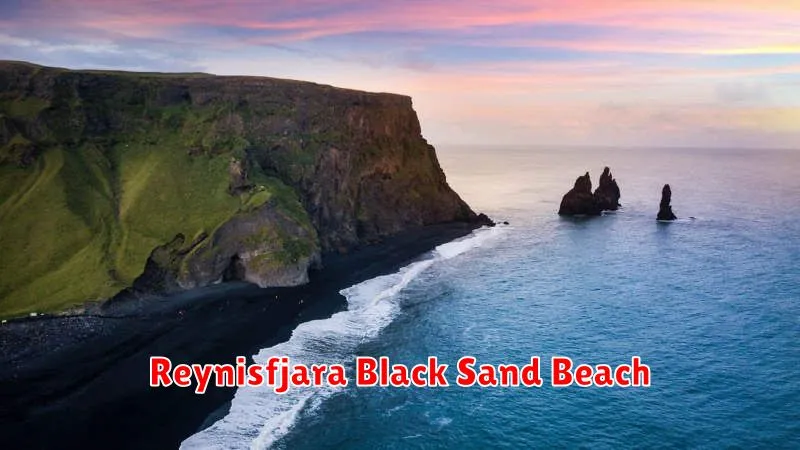
Welcome to the enigmatic Reynisfjara Black Sand Beach, one of Iceland’s most mesmerizing natural wonders. Located on the southern coast of Iceland, this unique beach stands out with its inky black sands, which are the result of volcanic activity over many centuries.
A Geological Marvel
As you step onto the beach, the spectacular basalt columns capture your attention. These hexagonal rock formations, known as Garðar, offer a glimpse into the island’s fiery past. Created from cooling lava, they form part of Reynisfjall Mountain, which towers over the beach offering a dramatic backdrop.
Legends & Lore
The Reynisdrangar sea stacks, rising vertically from the ocean, add to the beach’s mystical atmosphere. Local folklore suggests these jagged rock formations are trolls turned to stone by the light of dawn. Whether you believe in legends or not, witnessing these formations as waves crash against them is a sight to behold.
Things to Remember
- Safety First: The beach is known for its unpredictable waves, so always stay a safe distance from the water’s edge.
- Visiting Off-Peak: For a more tranquil experience, consider visiting during the off-peak seasons when you’ll have the serene beauty mostly to yourself.
- Photography Opportunity: The contrasting colors and dramatic scenery make it a paradise for photographers. Don’t forget to capture the magnificent landscapes.
Quick Facts
| Location | Southern Iceland, near the town of Vík í Mýrdal |
|---|---|
| Famous For | Black sands, basalt columns, Reynisdrangar sea stacks |
| Best Time to Visit | Spring and autumn for fewer crowds |
Snæfellsnes Peninsula
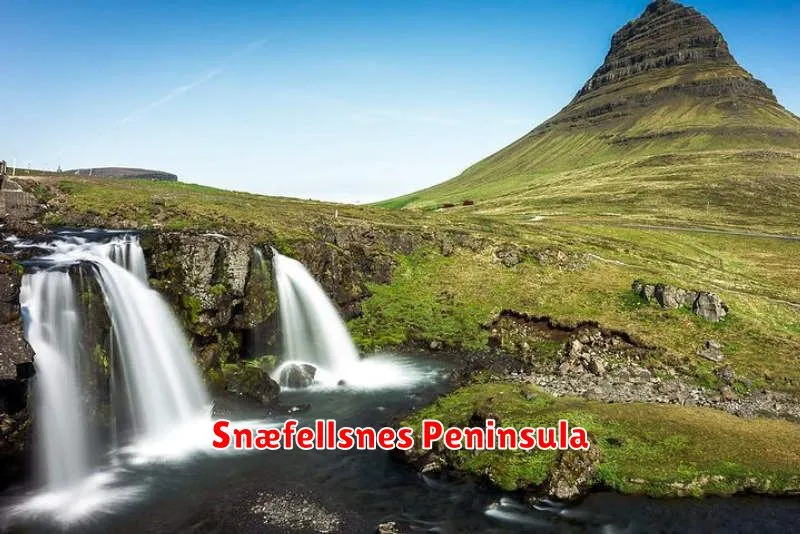
Often referred to as Iceland in Miniature, the Snæfellsnes Peninsula offers a diverse range of landscapes and experiences that encapsulate the essence of Iceland. This magical region houses everything from dramatic cliffs and volcanic craters to charming fishing villages and picturesque beaches. Located in the western part of Iceland, it’s a perfect destination for those wanting to explore a wide array of natural wonders without traveling across the entire country.
Snæfellsjökull National Park
The highlight of the peninsula is undoubtedly the Snæfellsjökull National Park, home to the iconic Snæfellsjökull volcano. Rising 1,446 meters above sea level, this glacier-capped volcano is steeped in mysticism and served as the setting for Jules Verne’s journey in his novel, “Journey to the Center of the Earth.” Adventurous visitors can embark on a thrilling tour to climb Snæfellsjökull or marvel at it from afar.
Charming Towns and Villages
The peninsula is dotted with quaint towns and villages that offer a glimpse into the local culture and history. The town of Stykkishólmur is known for its colorful wooden houses and scenic harbor, while Arnarstapi and Hellnar feature natural rock formations and rich birdlife. Each settlement provides a unique story and serves as perfect stops to satiate your curiosity and palate.
Unique Geological Features
Snæfellsnes is home to enchanting geological formations. The Lóndrangar are stunning rock pinnacles rising majestically from the sea, and the Buðir Black Church is set against a beautiful black sand beach creating a dramatic and photogenic landscape—ideal for photography enthusiasts.
Top Activities to Enjoy
Whether you are seeking tranquility or adventure, Snæfellsnes offers activities to suit all interests. From hiking the trails of the national park, exploring the mystical lava fields, watching seals at the Ytri Tunga Beach, to experiencing the refreshing sea breeze during a coastal walk, the peninsula promises a diverse range of experiences.
| Activity | Location |
|---|---|
| Volcano Climb | Snæfellsjökull |
| Birdwatching | Arnarstapi |
| Seal Watching | Ytri Tunga Beach |
| Photography | Buðir Black Church |
The Snæfellsnes Peninsula is truly a microcosm of Iceland’s natural beauty, offering an adventure for every type of traveler. Whether you’re seeking mythological intrigue, picturesque surroundings, or the simple serenity of the landscapes, this peninsula is a must-visit when exploring the wonders of Iceland.
Askja Caldera
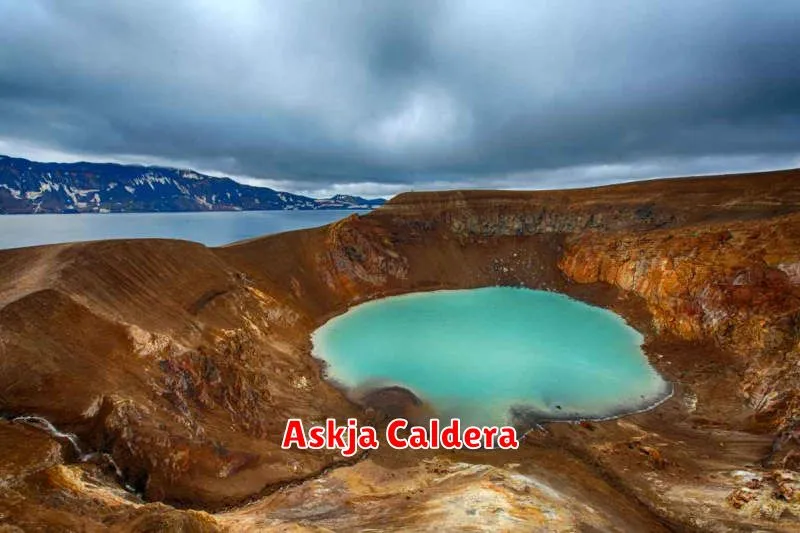
Located in the remote highlands of Iceland, Askja Caldera is a breathtaking natural wonder that should be on every adventurer’s list. This stunning volcanic caldera, surrounded by lunar landscapes and snow-capped peaks, offers a spectacular setting for exploration and discovery.
The Volcanic Majesty
Askja Caldera is part of the larger Dyngjufjöll mountain range in the Central Highlands. The main attraction here is its vivid caldera lake called Öskjuvatn. This deep blue crater lake, formed by a volcanic eruption in 1875, presents an awe-inspiring view against the stark canvas of black lava fields.
Exploration Tips
For those keen on visiting, the journey to Askja is an adventure in itself. The site is accessible primarily during the summer months due to harsh weather conditions. Travelers should be prepared for a rugged and challenging drive over unpaved roads, but the reward is worth every effort.
- Season: July to September
- Suitable for: Adventure seekers, geology enthusiasts, photographers
- Things to Bring: Hiking boots, warm clothing, cameras
A Geological Marvel
Askja is not just about its dramatic visuals. The area holds significant geological interest, offering insights into Iceland’s volcanic activity. Walking around the site, particularly the Víti crater, allows visitors to feel the warmth of geothermal energy emanating from the earth.
Whether you are a nature lover or a thrill-seeker, a visit to Askja Caldera promises an unforgettable experience amidst the raw beauty of Iceland’s volcanic landscape. Remember to respect the natural environment and carry out any waste to preserve its pristine condition.
