
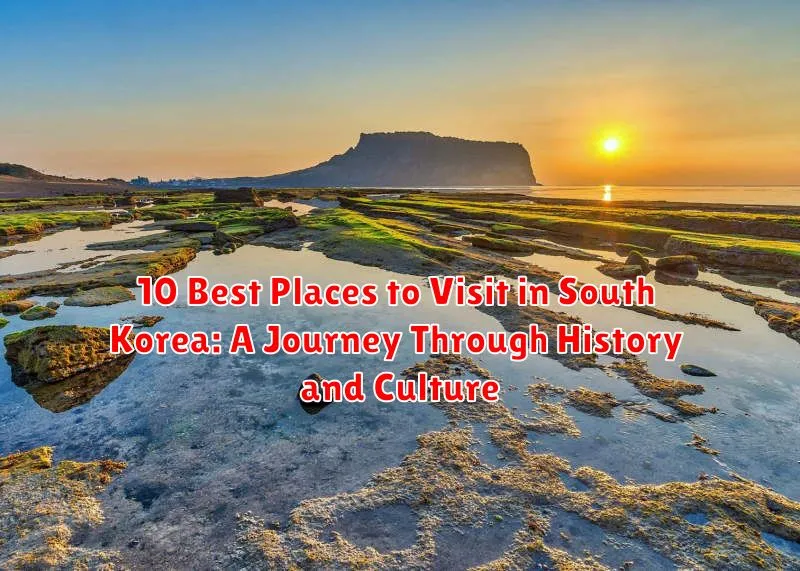
Welcome to a delightful exploration of the 10 Best Places to Visit in South Korea: A Journey Through History and Culture. Whether you’re a history buff, a culture enthusiast, or simply searching for your next travel adventure, South Korea offers a compelling mix of both the traditional and the modern. As you traverse through ancient palaces and temples, or immerse yourself in the vibrant hustle of bustling cities, you will find yourself captivated by South Korea’s rich tapestry of experiences.
Each location on this remarkable journey unveils a unique story, waiting to be discovered. From the historic landmarks in Seoul that offer a window into the nation’s past, to the serene landscapes of Jeju Island that promise a slice of tranquility, South Korea is a destination that promises to enchant and amaze. This article will equip you with insightful details and travel tips, ensuring your South Korean adventure is nothing short of unforgettable.
Seoul
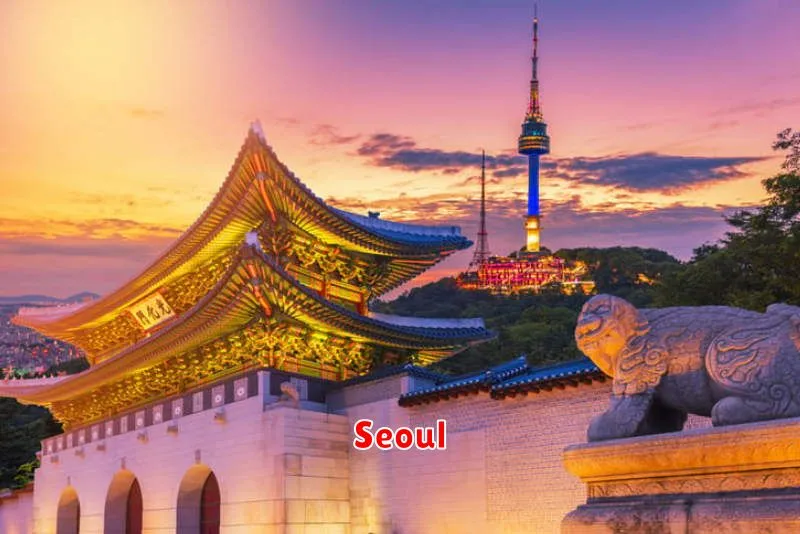
The vibrant heart of South Korea, Seoul is a seamless blend of the ancient and the modern, where skyscrapers stand alongside historic palaces. This bustling city is a perfect gateway to experience South Korea’s rich culture, history, and technological advancements.
Historical Landmarks
Seoul is home to several iconic historical landmarks that reflect its royal past and traditional culture. Notable among them is the Gyeongbokgung Palace, an architectural marvel dating back to the Joseon Dynasty. Visitors can witness the Changing of the Guard ceremony and explore the sprawling grounds of this royal residence. Deoksugung Palace and the Changdeokgung Palace are also must-visit sites for history enthusiasts.
Cultural Experiences
For a deep dive into Korean culture, head to the Bukchon Hanok Village, where you can wander through narrow alleyways lined with traditional houses, or hanoks. The Insadong District offers a unique shopping experience with its vibrant mix of art galleries, handicraft shops, and tea houses.
Modern Attractions
Seoul’s skyline is punctuated by the breathtaking Seoul Tower, offering panoramic views of the city. If cutting-edge technology and shopping are your interests, Dongdaemun Design Plaza, with its futuristic architecture, is a hub of fashion and innovation. Myeongdong, a bustling shopping district, is perfect for fashion enthusiasts looking for the latest trends.
Seoul’s Culinary Scene
Food lovers will delight in Seoul’s vibrant culinary scene, from street food stalls in Gwangjang Market to high-end dining experiences. Don’t miss out on trying traditional dishes like bulgogi, kimchi, and the diverse street foods that Seoul is renowned for.
Transportation
The city’s efficient transportation system makes it easy to navigate. With an extensive network of subways, buses, and taxis, exploring Seoul is both convenient and affordable.
| Attraction | Type | Recommendation |
|---|---|---|
| Gyeongbokgung Palace | Historical | Must-visit |
| Bukchon Hanok Village | Cultural | Highly Recommended |
| Seoul Tower | Modern | Great Views |
Jeju Island
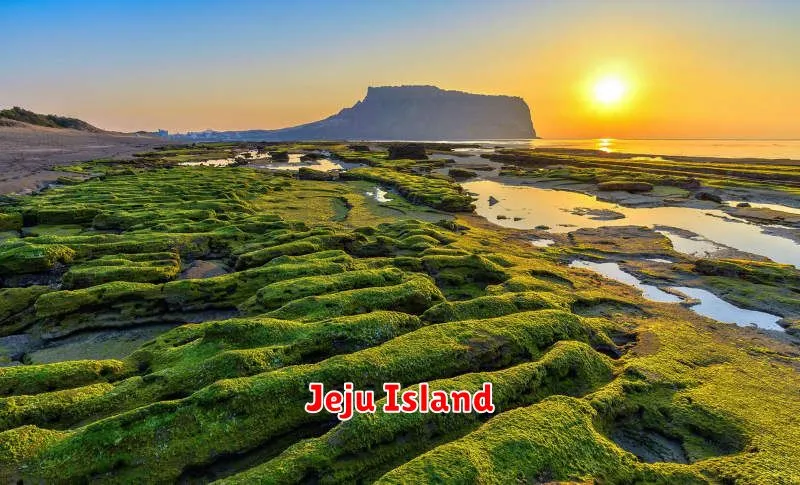
Often dubbed as the “Hawaii of South Korea,” Jeju Island is a stunning volcanic island that offers a perfect escape with its exquisite landscapes and rich culture. Known for its distinct topography and mild climate, Jeju is a popular destination for both locals and international tourists seeking a blend of relaxation and adventure.
Attractions
Jeju is home to Hallasan Mountain, South Korea’s highest peak, offering breathtaking views and diverse plant life. The island’s UNESCO World Heritage sites, such as the “Jeju Volcanic Island and Lava Tubes,” present a geological marvel that traces back thousands of years.
For a glimpse into local culture, visit the Seongeup Folk Village, where traditional Jeju life and architecture can be observed. The village gives insight into the island’s unique heritage, providing an educational yet entertaining experience.
Recreational Activities
Adventure seekers can indulge in activities like hiking up Hallasan or exploring the OLLE trails, which boast some of the most scenic walking paths around the coast. For those preferring a more leisurely experience, the beaches, such as Jungmun Beach, offer pristine sands and crystal-clear waters, perfect for sunbathing or swimming.
Local Cuisine
Don’t miss out on savoring Jeju’s seafood delights and black pork barbecue, renowned across the country. The island’s cuisine, with its fresh ingredients and bold flavors, is sure to be a highlight of your visit.
- Distances: 454 km from Seoul
- Season: Best visited in spring or fall
- Duration: Recommended stay 2-4 days
- Language: Korean, with English translation available in most tourist areas
Busan
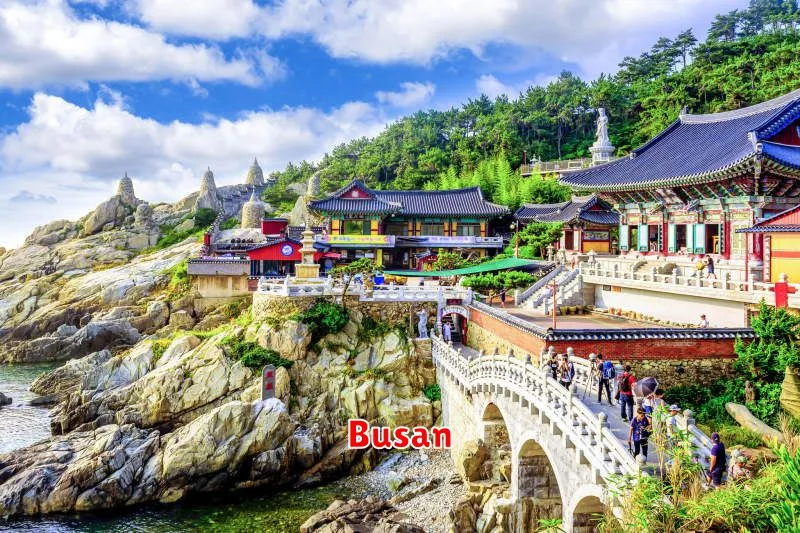
Busan is South Korea’s second-largest city and a bustling port metropolis known for its vibrant mix of modernity and tradition. Blessed with stunning natural landscapes, tranquil beaches, and bustling markets, Busan offers a unique blend of serenity and excitement.
Haeundae Beach
This famous beach is arguably Busan’s most beloved coastal retreat. Known for its golden sands and clear waters, Haeundae Beach is perfect for beachgoers and water sports enthusiasts alike. Whether you’re soaking up the sun or enjoying the annual Haeundae Sand Festival, this beach has something for everyone.
Jagalchi Fish Market
For those looking to dive into the culinary treasures of the city, the Jagalchi Fish Market is a must-visit. As one of the largest seafood markets in Korea, it offers an array of fresh catch from the sea. You can savor everything from fried fish to live octopus, providing a truly unique dining experience.
Cultural Experiences
Busan’s cultural scene is just as vibrant as its natural beauty. Head to the Gamcheon Culture Village, known for its labyrinth of colorful houses and artistic murals. Or, visit the Busan Museum to explore diverse exhibits that chronicle the history and culture of the region.
| Attraction | Highlight |
|---|---|
| Haeundae Beach | Beach activities and festivals |
| Jagalchi Fish Market | Fresh seafood and vibrant market environment |
| Gamcheon Culture Village | Artistic and colorful urban village experience |
In Busan, the traditional and contemporary coexist harmoniously, offering tourists an unforgettable journey through history, culture, and the wonders of nature.
Gyeongbokgung Palace
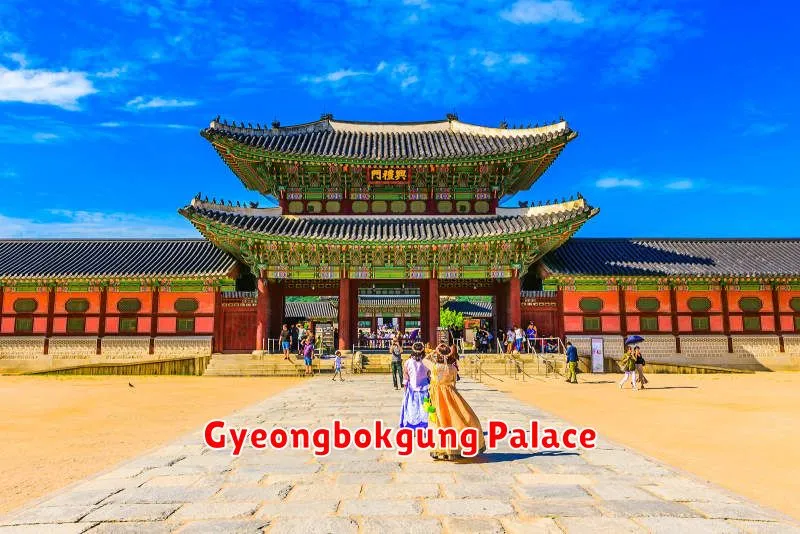
Among the many historical landmarks in South Korea, Gyeongbokgung Palace, situated in the heart of Seoul, stands out as a grand symbol of the nation’s royal heritage and culture. Constructed in 1395, it was the main palace of the Joseon Dynasty and remains the largest among the Five Grand Palaces.
A Glimpse into the Past
The name Gyeongbokgung translates to “Palace Greatly Blessed by Heaven“—apt for a site that has witnessed both the zenith and nadir of Korea’s royal history. Visitors here can immerse themselves in the grandeur of ancient architecture, characterized by its exquisite tile roofing, grand wooden pavilions, and artistry that narrates tales of the bygone era.
After enduring destruction during the Japanese invasions and the Korean War, the palace has been meticulously restored, inviting visitors to explore history in a tangible form.
Must-See Features
- Geunjeongjeon Hall: This is the throne hall where important state affairs were conducted. Its elegant architecture reflects the might and dignity of the dynasty.
- Gyeonghoeru Pavilion: Perched atop a serene pond, this charming pavilion is an iconic spot for architecture enthusiasts, offering glimpses of the soothing beauty of palace garden design.
- Hyangwonjeong Pavilion: Renowned for its picturesque setting amidst a lotus pond, it is a must-visit for capturing stunning photographs.
<h4explore traditional="" ceremonies
Visitors to Gyeongbokgung can witness the changing of the guard ceremony, a striking reenactment accompanied by traditional music. This ceremony, which occurs several times a day, offers tourists a chance to experience a slice of the past right in front of their eyes.
With its profound historical significance and majestic beauty, Gyeongbokgung Palace offers an unforgettable journey to anyone eager to delve into Korea’s royal heritage.
DMZ
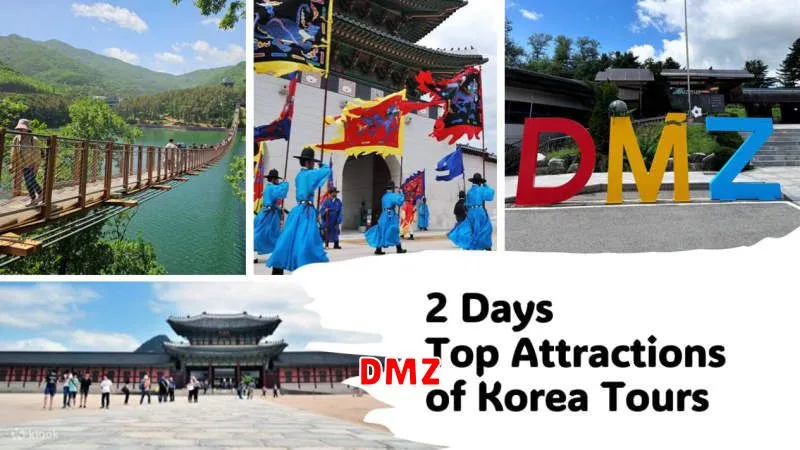
The Demilitarized Zone (DMZ) between North and South Korea is undeniably one of the most fascinating places to visit in South Korea, offering a unique glimpse into the nation’s complex history and ongoing national tensions. This 250-kilometer long, 4-kilometer wide buffer area has stood as both a barrier and a symbol of hope since the 1953 Korean Armistice Agreement.
Experience the Historic Tension
Visiting the DMZ is not just about witnessing the physical boundary; it is about feeling the palpable tension and understanding the geopolitical significance of the division. Key points of interest include the Joint Security Area (JSA), where delegates from both Koreas occasionally meet for negotiations, and the Dora Observatory, offering a direct view into North Korea.
Main Attractions
- Third Infiltration Tunnel: Discovered in 1978, this tunnel was built by North Korea for a surprise attack on Seoul. You can walk a portion of its 1,635 meters to get a sense of its tactical purpose.
- Imjingak Park: Situated just outside the DMZ, this park features the Freedom Bridge and numerous monuments dedicated to Korean War history and reunification efforts.
- Dora Train Station: While trains don’t travel to North Korea yet, this station symbolizes the hope for future connectivity and peaceful reunification.
Visitor Information
For those interested in visiting the DMZ, booking a guided tour is mandatory as it ensures both safety and access. Tours often depart from Seoul and are conducted under strict security protocols. While photography is limited in some areas, the experiences and stories you gather here will last a lifetime.
Seoraksan National Park
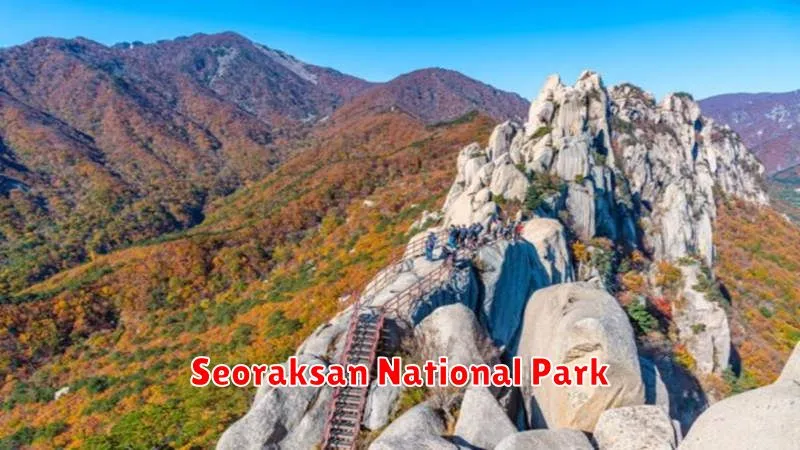
Nestled in the picturesque region of Gangwon Province, Seoraksan National Park is one of South Korea’s most stunning natural treasures. Known for its majestic mountains, lush forests, and beautiful temples, it offers a tranquil escape into nature.
Majestic Peaks and Scenic Trails
Home to the third-highest mountain in South Korea, Seoraksan, the park is a haven for hiking enthusiasts and nature lovers. The rugged peaks of Seoraksan provide panoramic views that are breathtakingly beautiful. For those looking for adventure, the park offers an array of trails ranging from easy walks to challenging hikes. Trails like the Ulsanbawi Rock trek are perfect for witnessing the awe-inspiring landscapes.
Flora and Fauna
Seoraksan National Park is well-known for its rich biodiversity. It is home to several species of rare plants and animals, making it a paradise for nature photographers and wildlife enthusiasts. In autumn, the park transforms into a kaleidoscope of colors, offering an unparalleled leaf-peeping experience.
Cultural Experiences
The park is not just about natural beauty; it also offers a peek into South Korea’s rich history and culture. Visitors can explore the Sinheungsa Temple, which is nestled deep within the park. Established in the 7th century, this serene Buddhist temple is a testament to the country’s spiritual heritage.
Key Attractions
- Ulsanbawi Rock – A challenging hike with rewarding views
- Sinheungsa Temple – A historic temple surrounded by mountains
- Biryong Waterfall – A scenic waterfall accessible via an easy trail
Whether you’re seeking an adventurous hike, a serene retreat, or a cultural exploration, Seoraksan National Park offers an unparalleled experience that captures the heart and soul of South Korean nature.
Bulguksa Temple
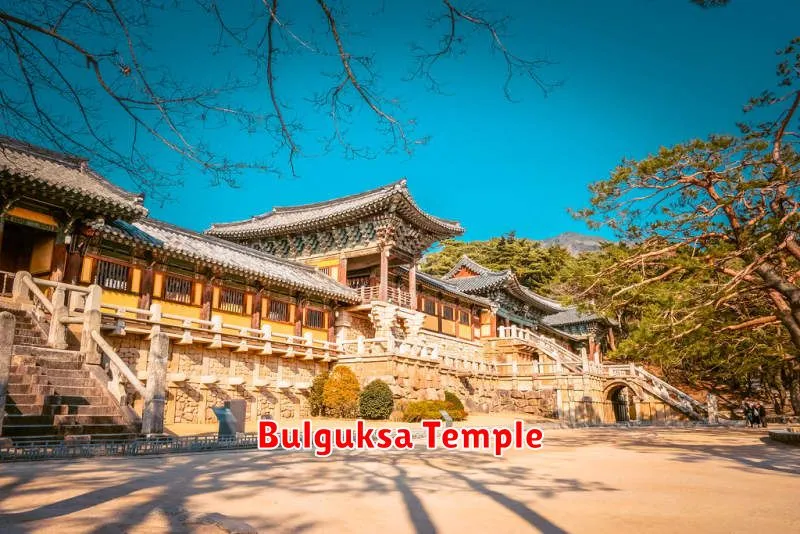
Nestled in the heart of South Korea’s Gyeongju province, Bulguksa Temple is a masterpiece of Buddhist art and architecture. This historic site, built in 528 AD, stands as a testament to the remarkable craftsmanship of the Silla Dynasty.
The temple, which is a UNESCO World Heritage Site, offers visitors a journey through serene gardens, intricate statues, and age-old pagodas. As you explore this religious sanctuary, you’ll find yourself immersed in the harmony of nature and architecture—a philosophical concept deeply rooted in Korean culture.
Main Attractions of Bulguksa Temple
Bulguksa Temple boasts several notable features:
- Dabotap and Seokgatap Pagodas: These iconic stone pagodas, each uniquely designed, symbolize stability and enlightenment.
- The Seokguram Grotto: A stunning man-made cave, housing a magnificent Buddha statue surrounded by intricate sculptures representing various deities.
- Cheongun-gyo and Baegun-gyo Bridges: These ancient bridges not only signify the transition from the earthly to the sacred but also demonstrate the advanced stone masonry skills of the time.
The Spiritual Significance
The temple serves as a place of worship and reflection for many Buddhists. The serene atmosphere invites visitors to partake in meditation and appreciate the deeper spiritual journey the site offers.
Whether you are a history buff, a cultural enthusiast, or someone seeking peace, Bulguksa Temple provides a unique window into South Korea’s rich past and spiritual heritage.
Namsan Hanok Village
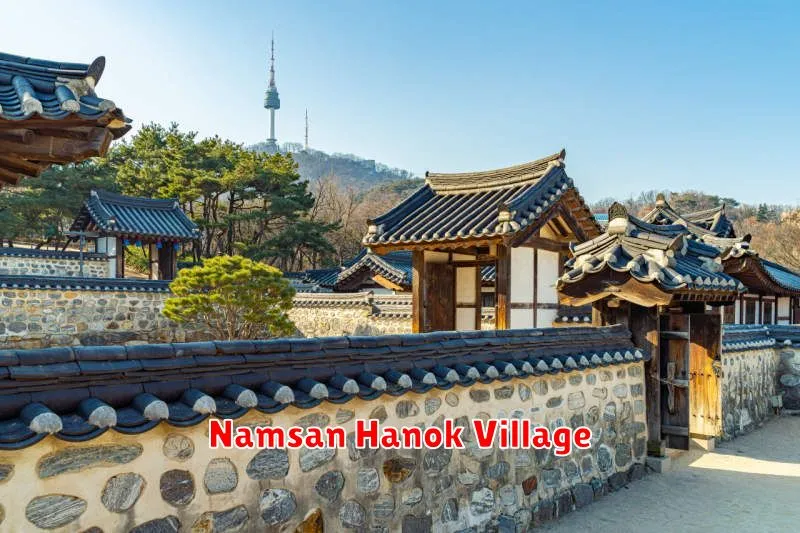
When you step into Namsan Hanok Village, it feels like a journey back in time to the Joseon Dynasty, offering an authentic glimpse into traditional Korean life. Nestled at the foot of Namsan Mountain, this serene village is a striking contrast to the bustling metropolis of Seoul.
Architectural Gems
The village showcases a collection of five restored hanok houses, each providing a unique insight into Korea’s architectural heritage. These homes are carefully preserved to maintain their historical authenticity. Walking through the village, you can expect to see:
- Tiled rooftops with graceful curves
- Intricately crafted wooden pillars and beams
- Peaceful inner courtyards
- Traditional ondol floor heating systems
Cultural Activities
Namsan Hanok Village isn’t just about architecture; it’s also an engaging cultural experience. Visitors can engage in traditional activities such as calligraphy, tea ceremonies, and hanbok (traditional Korean attire) dress-up sessions. These activities offer a hands-on experience of Korea’s rich cultural heritage.
Visitor Information
| Opening Hours | 9:00 AM – 5:00 PM |
|---|---|
| Admission Fee | Free |
| Location | 28, Toegye-ro 34-gil, Jung-gu, Seoul |
Whether you are a history enthusiast or simply looking to capture the essence of traditional Korean culture, Namsan Hanok Village provides an unforgettable experience. This picturesque village invites you to slow down and admire the beauty of Korea’s cultural legacy amid the modern cityscape.
Insan Beach
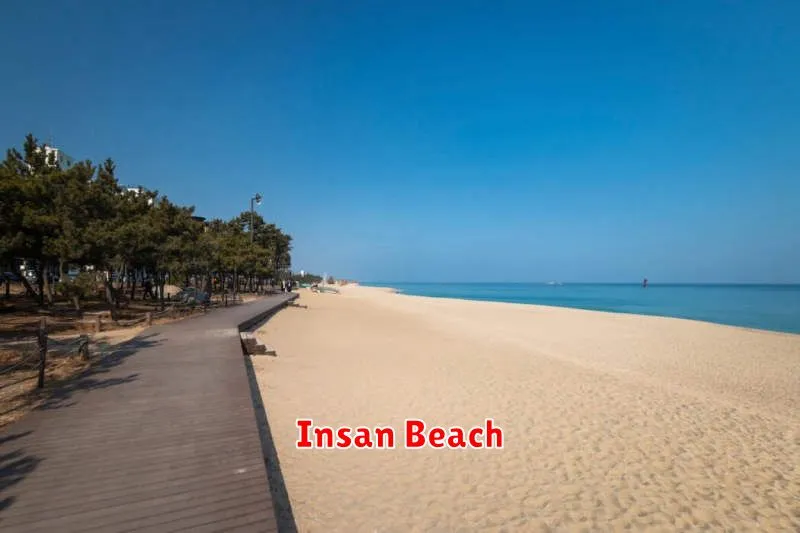
Nestled along the serene coastline of South Korea’s eastern seaboard lies the idyllic Insan Beach, a hidden gem for those looking to escape the bustle of city life. With its pristine sands and clear blue waters, Insan Beach offers a tranquil setting where visitors can relax and connect with nature.
Insan Beach is renowned for its spectacular sunrises, making it a perfect spot for early morning strolls. The gentle sound of the waves lapping against the shore provides an ambience of calm and peace, cherished by both locals and tourists alike.
Activities and Attractions
Beyond its natural beauty, Insan Beach also offers a variety of activities for adventure seekers. From beach volleyball tournaments to kayaking adventures, there’s something for everyone.
- Beach Volleyball: Join in the fun or simply watch the local teams compete.
- Kayaking: Explore the stunning coastline from the water for a different perspective.
- Fishing: Try your luck at fishing in the rich waters surrounding the beach.
Local Cuisine
Just a short walk from the beach, visitors can indulge in local cuisine. Seafood is a staple here, with many restaurants offering freshly caught fish, octopus, and mackerel. Don’t miss the opportunity to try the famous Korean barbecued seafood served by the coast.
Whether you’re looking to unwind on the beach or engage in adventurous activities, Insan Beach is a must-visit destination in South Korea that promises a blend of relaxation and excitement.
Andong Hahoe Folk Village
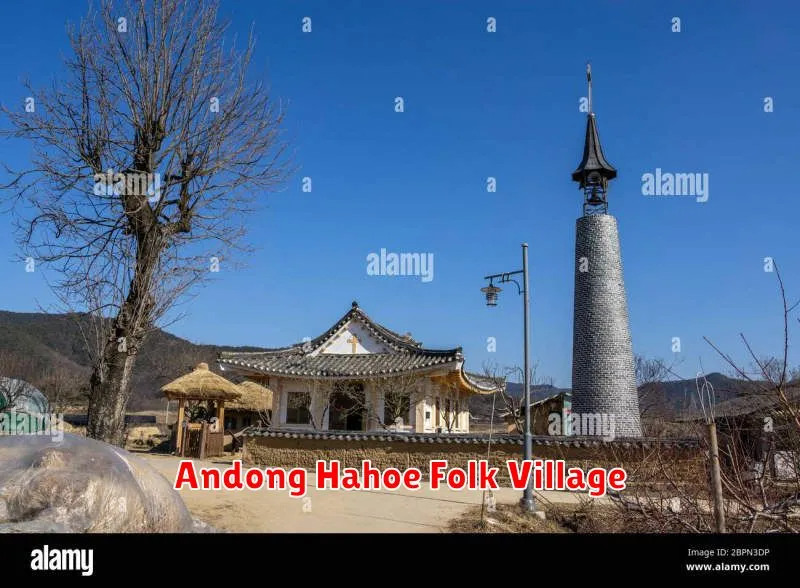
Stepping into the Andong Hahoe Folk Village is like traveling back in time. This remarkable village stands as a symbol of Korea’s traditional architecture and cultural heritage. Located in a scenic setting by the Nakdong River, it has been designated as a UNESCO World Heritage site due to its historic value.
Historical Significance
The Hahoe Village has been preserved for centuries and carries with it stories of the past. It is home to the descendants of the Ryu clan of Pungsan, giving you a glimpse into the lifestyle of Korea’s ancient noble class. The village structure follows the traditional concept of feng shui, blending perfectly with the surrounding landscape.
Traditional Architecture
Visitors can admire the well-preserved hanok houses, consisting of tiled roofs and wooden beams that are a testament to the architectural practices of the Joseon Dynasty. Some of these houses are open to the public, allowing you to explore the interiors and imbibe the atmosphere of bygone eras.
Cultural Experiences
- Mask Dance Festival: Every year, the village hosts a vibrant festival featuring traditional mask dances. The Hahoe Byeolsingut Talnori, a distinguished folk drama, is performed.
- Craft Workshops: Participate in hands-on workshops that offer the opportunity to create traditional crafts such as pottery and masks.
- Local Cuisine: Sample authentic Korean dishes prepared following age-old recipes, adding a gastronomic touch to your cultural adventure.
Scenic Beauty
Encircled by the tranquil Nakdong River and with a backdrop of stunning mountains, the village offers breathtaking views and a serene environment. A stroll down the quaint streets allows you to take in the beauty of nature that seamlessly integrates with human habitation.
