
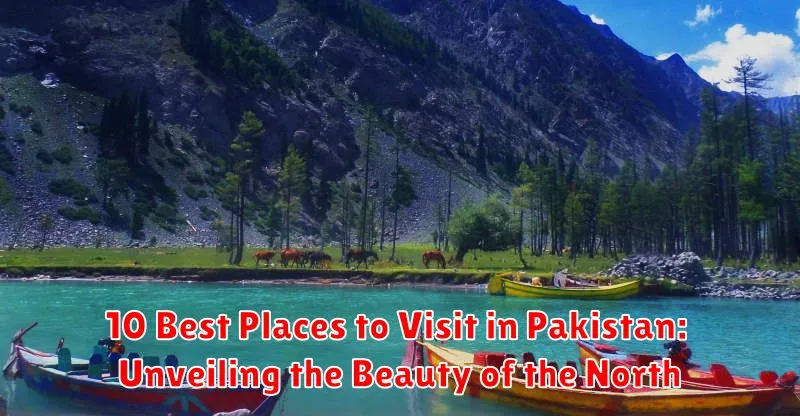
When it comes to breathtaking landscapes and rich cultural heritage, Pakistan emerges as a hidden gem waiting to be discovered. The northern regions of this marvelous country are home to some of the most stunning and diverse terrains you will ever witness. From snow-capped mountains to lush valleys, the northern beauty of Pakistan is simply mesmerizing, making it a must-visit for any travel enthusiast.
Embarking on a journey through the 10 Best Places to Visit in Pakistan is akin to stepping into a world where nature’s splendor knows no bounds. Whether you’re an adventurer, a culture lover, or just someone seeking tranquility, the north of Pakistan offers something for everyone. In this article, we aim to unlock the secrets of this majestic region, guiding you through destinations that promise unforgettable experiences and lifelong memories. Get ready to be enchanted by the northern charm of Pakistan!
Hunza Valley
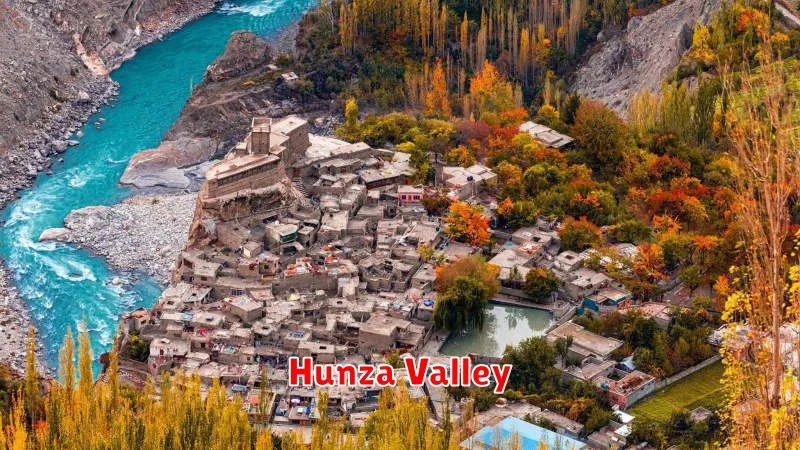
Nestled in the northern region of Pakistan, the Hunza Valley is a hidden gem that promises breathtaking views and a serene escape from bustling city life. It is part of the Gilgit-Baltistan territory and is renowned for its stunning landscapes, towering peaks, and vibrant culture.
Scenic Beauty
The valley is adorned with lush green terraced fields, crystal-clear rivers, and the mighty peaks of the Karakoram Range. Among these, the Rakaposhi and the Ultar Sar mountains stand majestically, offering a panoramic experience that draws tourists from around the world.
Must-Visit Places in Hunza
- Karimabad – Known for the historic Baltit Fort and charming local bazaar.
- Passu Cones – Offering dramatic mountain scenery that is a photographer’s paradise.
- Attabad Lake – A turquoise lake formed by a landslide, perfect for boating and relaxation.
Rich Cultural Heritage
The people of Hunza, known as the Hunzakuts, are famous for their hospitality and diverse cultural heritage. They primarily speak Burushaski and celebrate traditional festivals that offer a window into their rich history.
Climate
| Season | Temperature Range | Description |
|---|---|---|
| Spring | 10°C – 20°C | Blossoms envelop the valley in vibrant colors. |
| Summer | 15°C – 30°C | The ideal time for trekking and exploring. |
| Autumn | 5°C – 20°C | Known for the stunning fall foliage. |
| Winter | -10°C – 10°C | A snowy wonderland, suitable for those loving the chill. |
Hunza Valley is not just a destination; it’s an experience filled with unforgettable memories, making it a must-visit place in Pakistan.
Fairy Meadows
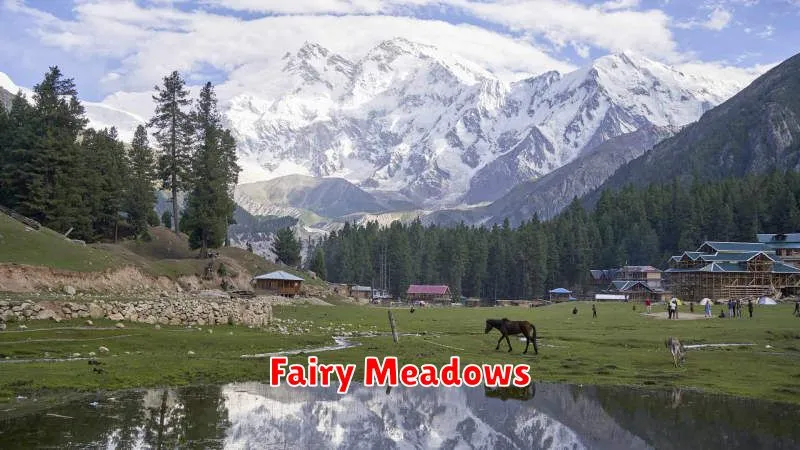
Nestled in the stunning region of Gilgit-Baltistan, Fairy Meadows is a paradise for nature lovers and adventure seekers alike. This picturesque alpine meadow is located near the base of Nanga Parbat, the world’s ninth highest mountain, often referred to as the “Killer Mountain”.
Stunning Scenery and Tranquility
The serenity and untouched beauty of Fairy Meadows offer an escape from the bustling world. It’s renowned for its lush green fields, vibrant wildflowers, and panoramic views of Nanga Parbat’s snow-capped peaks. The calm ambiance of the area makes it an ideal spot for camping and trekking.
Getting There
Reaching Fairy Meadows requires an adventurous spirit. The journey begins with a jeep ride from Raikot Bridge on the Karakoram Highway, followed by a few hours of thrilling trekking through breathtaking landscapes.
Best Time to Visit
The best time to visit is from April to September, when the weather is more favorable and the meadows are in full bloom. During these months, visitors can fully enjoy the natural beauty and explore the hiking trails.
Things to Do
- Trek to Nanga Parbat Base Camp – A moderate to difficult trek offering stunning views of the massive peak.
- Photography – Capture the haunting beauty of Fairy Meadows and Nanga Parbat.
- Camp Under the Stars – Experience the tranquility of nature in a secluded camping spot.
Whether you’re seeking adventure or tranquility, Fairy Meadows will enchant you with its magical landscape and serene environment.
Naltar Valley
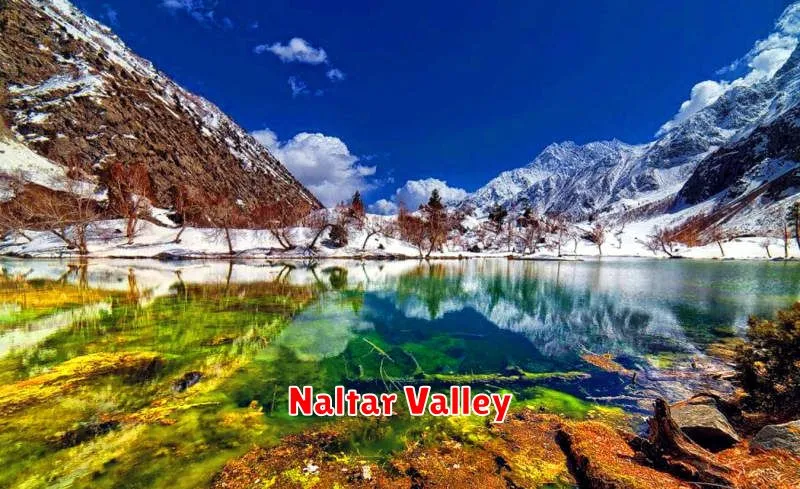
Located in the enchanting Gilgit-Baltistan region of Pakistan, Naltar Valley is a treasure trove of natural beauty and dramatic landscapes. Known for its vivid and colorful mountain panoramas, the valley stands as a perfect destination for those looking to experience the untamed beauty of the north.
Scenic Beauty
Naltar Valley is celebrated for its majestic peaks and lush green forests, making it a paradise for photographers and nature lovers. The valley is enveloped by towering mountains, casting a spellbinding aura that enchants every visitor.
Naltar Lakes
The valley is home to several stunning lakes, each offering a unique blend of hues and reflections. The most popular among them are the Naltar Lakes, often referred to as the ‘Rainbow Lakes‘ due to their vibrant colors. These lakes change shades during the day, providing a mesmerizing visual feast.
Activities and Exploration
For the adventurous soul, Naltar Valley offers a wide range of activities including hiking, skiing, and wildlife spotting. In winter, the valley transforms into a snow-laden wonderland, attracting skiers from around the world.
| Activity | Description |
|---|---|
| Hiking | Explore various trails that traverse through breathtaking landscapes. |
| Skiing | Experience winter sports at one of Pakistan’s premier ski resorts. |
| Wildlife Spotting | Catch sightings of unique Himalayan wildlife in their natural habitat. |
Best Time to Visit
The optimal time to visit Naltar Valley is from May to October when the weather is pleasant and the valley is in full bloom. For winter sports enthusiasts, the perfect window is between December and March.
Deosai National Park
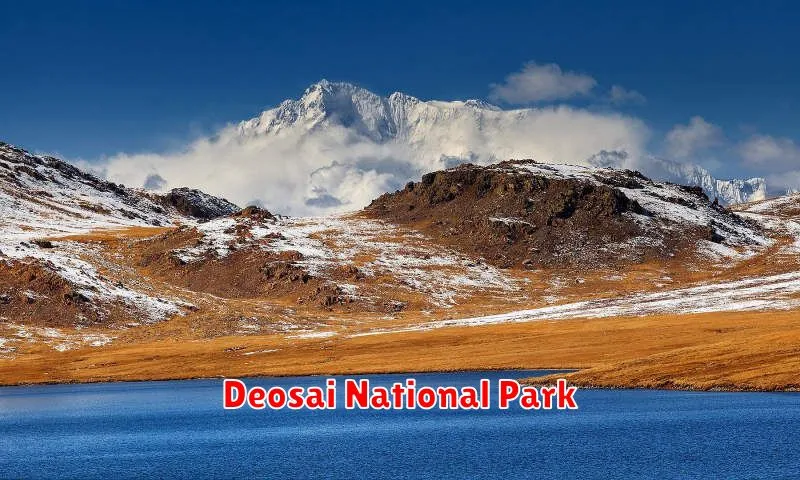
Discover the mesmerizing beauty of Deosai National Park, a pristine alpine wilderness located in the northern regions of Pakistan. Known as the “Land of Giants,” this flat plateau stretches over 3,000 square kilometers, making it the second-highest plateau in the world. With an altitude of over 4,000 meters, Deosai offers a unique blend of natural beauty and ecological diversity.
Flora and Fauna
The park is a haven for a rich variety of wildlife and plants. It is home to the endangered Himalayan Brown Bear, along with other species such as the Pallas’s Cat, Snow Leopard, and Tibetan Wolf. Bird lovers can also enjoy spotting Golden Eagles, Snow Partridges, and Himalayan Griffons soaring above the plains.
The Best Time to Visit
Deosai is accessible during the summer months when the snow melts, usually from June to September. During this period, visitors can witness a dazzling display of colorful wildflowers spread across the plateau, providing a picturesque backdrop against the majestic mountains.
Key Activities
- Trekking: Hike through breathtaking landscapes and enjoy panoramic views.
- Camping: Set up camp under a blanket of stars in this remote wilderness.
- Wildlife Observation: Spot rare animals and birds in their natural habitat.
With its unspoiled natural beauty and serene environment, Deosai National Park offers an unparalleled adventure for nature enthusiasts seeking tranquility away from the hustle and bustle of city life.
Swat Valley
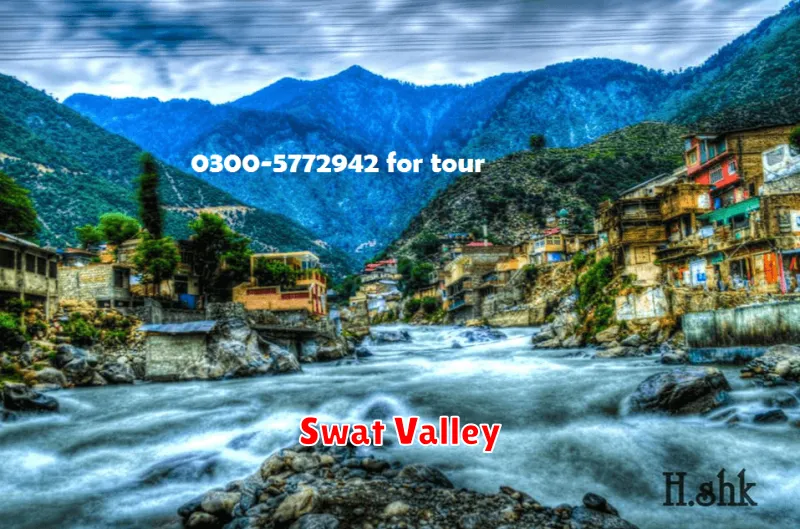
Nestled in the midst of the lush greenery and rugged mountains, Swat Valley is often referred to as the “Switzerland of the East.” This picturesque region is located in the north-western Khyber Pakhtunkhwa province of Pakistan, and has long been a popular destination for travelers seeking natural beauty and serenity.
Majestic Landscapes
The valley is known for its breathtaking landscapes, featuring rolling hills, crystal-clear rivers, and dense forests. The Swat River, with its serene blue waters, meanders through the valley, providing a picture-perfect backdrop for visitors. The region’s diverse topography makes it an excellent destination for outdoor enthusiasts interested in hiking, trekking, and camping.
Cultural Treasure
Swat Valley offers a rich tapestry of history and culture. It served as an important center of Buddhism in ancient times, and remnants of this era can still be found in the form of stupas and monastery ruins. The valley’s cultural heritage is further enriched by the warm hospitality of its indigenous people and their unique customs and traditions.
Popular Attractions
- Kalam Valley: Often dubbed as the “heaven of earth,” Kalam is a sub-valley within Swat, famous for its lakes and picturesque sceneries.
- Malam Jabba: A renowned ski resort, offering adventure seekers an opportunity to experience skiing in the remarkable mountain ranges.
- Mingora: The largest city in Swat Valley, known for its bustling bazaars and historical sites.
Best Time to Visit
The best time to visit Swat Valley is during the summer months from May to September when the weather is pleasantly warm, and the scenery is at its peak vibrancy. However, winter enthusiasts can also explore the valley in the colder months for a chance to experience snowfall, especially in areas like Malam Jabba.
K2 Base Camp
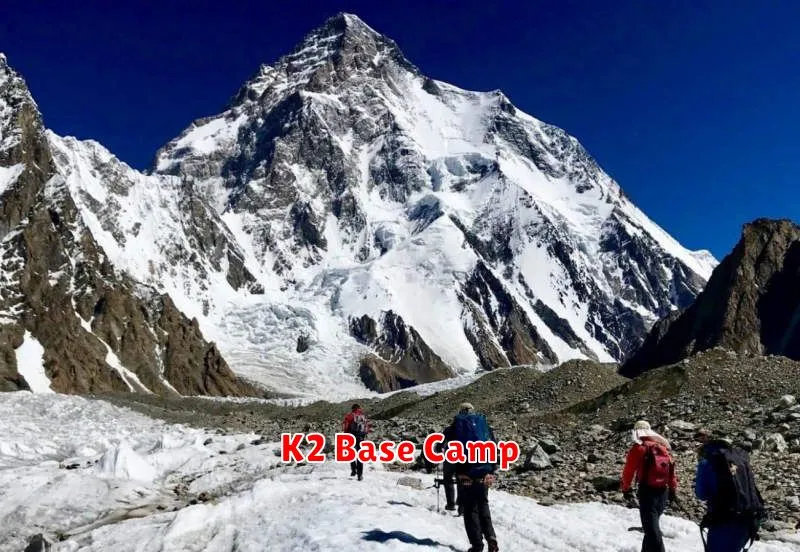
Nestled in the majestic Karakoram Range, the K2 Base Camp is a thrilling destination for adventurers and nature enthusiasts alike. As the gateway to the world’s second-highest peak, this base camp offers an unparalleled experience of nature’s rugged beauty and awe-inspiring landscapes.
Challenging Trekking Experience
Trekking to K2 Base Camp is not for the faint-hearted. The journey takes you through remote areas and across the expansive Baltoro Glacier. It’s a challenging trek that rewards you with breathtaking views of towering peaks and a sense of achievement unlike any other.
Preparation and Gear
Proper preparation is crucial. Trekkers need to be physically fit and equipped with the right gear, including sturdy boots, weather-appropriate clothing, and camping essentials. Altitude also presents its own set of challenges, making acclimatization an important aspect of the journey.
Best Time to Visit
The ideal time to visit the K2 Base Camp is between June and September, when the weather conditions are relatively mild. During these months, the trails are more accessible, and you’ll have the opportunity to meet fellow adventurers from around the world.
| Aspect | Details |
|---|---|
| Difficulty | High |
| Elevation | 5,117 meters (16,785 feet) |
| Best Season | June to September |
Embarking on the journey to K2 Base Camp is a once-in-a-lifetime experience that tests your limits and immerses you in the raw, untouched beauty of nature. For those who seek adventure and a chance to witness one of the world’s most iconic mountains, K2 Base Camp is an experience not to be missed.
Lahore Fort
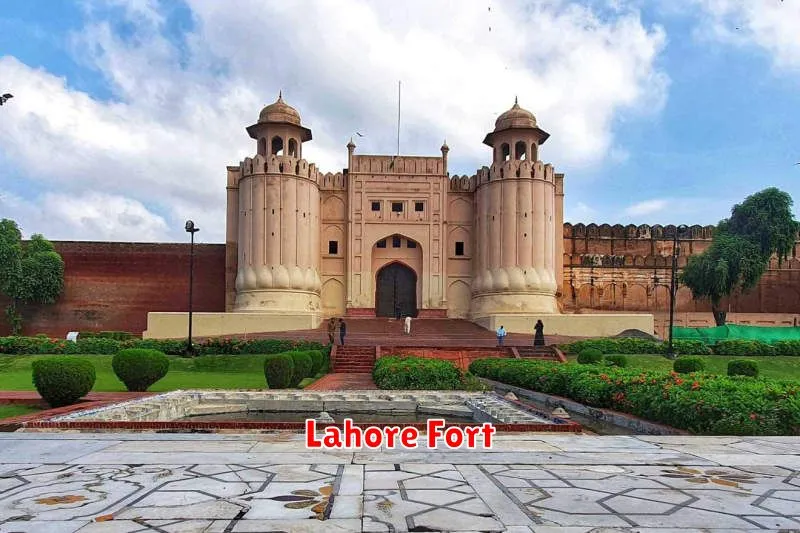
The majestic Lahore Fort, locally known as Shahi Qila, stands as a testament to the rich Mughal architecture that once flourished in the subcontinent. Located in the vibrant city of Lahore, this fort is a symbol of the grandeur of the Mughal Empire and serves as a window into the past.
Historical Significance
The origins of the Lahore Fort can be traced back to the reign of Emperor Akbar, though it was further expanded and enhanced under subsequent rulers. This UNESCO World Heritage Site encapsulates the historical evolution of architectural styles from the time of its initial construction to later enhancements made by Emperor Shah Jahan and Aurangzeb.
Architectural Marvels
- Sheesh Mahal: Also known as the Palace of Mirrors, this stunning hall is adorned with thousands of reflective glass tiles that sparkle like stars.
- Naulakha Pavilion: A taste of opulence, this pavilion is renowned for its intricate marble and tile work.
- Picture Wall: Stretching along a segment of the fort, this wall is a vibrant mosaic of glazed tiles depicting historical narratives.
Each corner of the Lahore Fort tells a different story, waiting to be discovered by those who wander its corridors. Visitors can walk through history, imagining the life and times of Mughal emperors who once reveled in its halls.
Important Information
| Best Time to Visit | October to March |
|---|---|
| Opening Hours | 9 AM to 5 PM |
| Entry Fee | Nominal |
The enchantment of Lahore Fort lies not just in its architecture but in the tales whispered by its walls, making it a must-visit for anyone traveling through Pakistan.
Badshahi Mosque
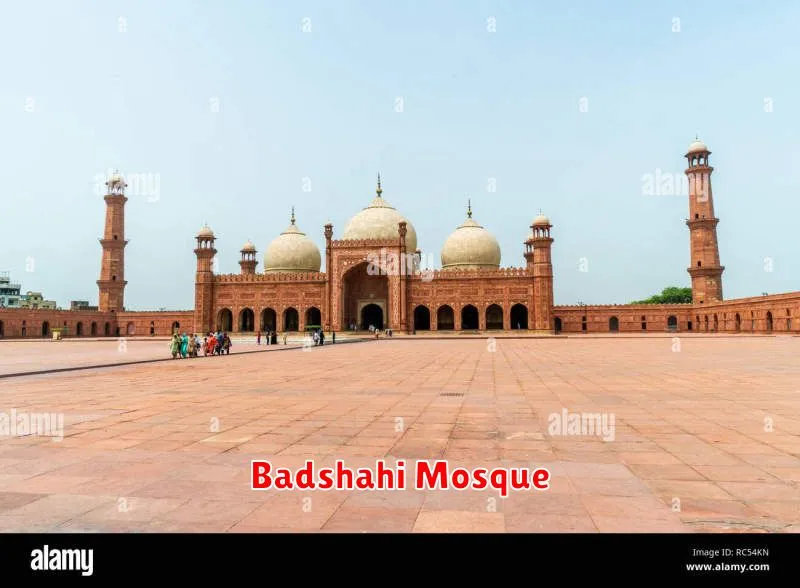
The Badshahi Mosque, located in the heart of Lahore, Pakistan, stands as a timeless symbol of the rich cultural heritage and architectural grandeur of the Mughal era. Constructed by Emperor Aurangzeb in 1673, this mosque is not only one of the largest in Pakistan but also an epitome of Mughal architecture.
Architectural Grandeur
Built entirely of red sandstone with intricate marble inlays, the Badshahi Mosque is renowned for its majestic facade. Its four towering minarets and three striking domes create a stunning skyline that attracts visitors from all over the world. The courtyard is expansive, capable of accommodating up to 100,000 worshippers at a time.
Historical Significance
The mosque has seen numerous historical gatherings and has hosted many significant events over the centuries. The inner halls of the mosque contain relics attributed to the Prophet Muhammad and his relatives, offering an experiential glimpse into Islamic history.
Visitor Experiences
Visitors to the Badshahi Mosque can immerse themselves in the tranquility it offers, away from the hustle and bustle of Lahore city. Whether you are a history enthusiast, an architecture lover, or simply in search of a peaceful moment, the Badshahi Mosque provides a profound experience.
Access to the mosque is free, and guides are often available on site to offer insightful tours. As you wander through its expansive halls and courtyards, you’ll be enveloped in the serene beauty of this historic site.
| Aspect | Detail |
|---|---|
| Location | Lahore, Pakistan |
| Founded | 1673 |
| Architectural Style | Mughal Architecture |
| Capacity | 100,000 worshippers |
Shalimar Gardens
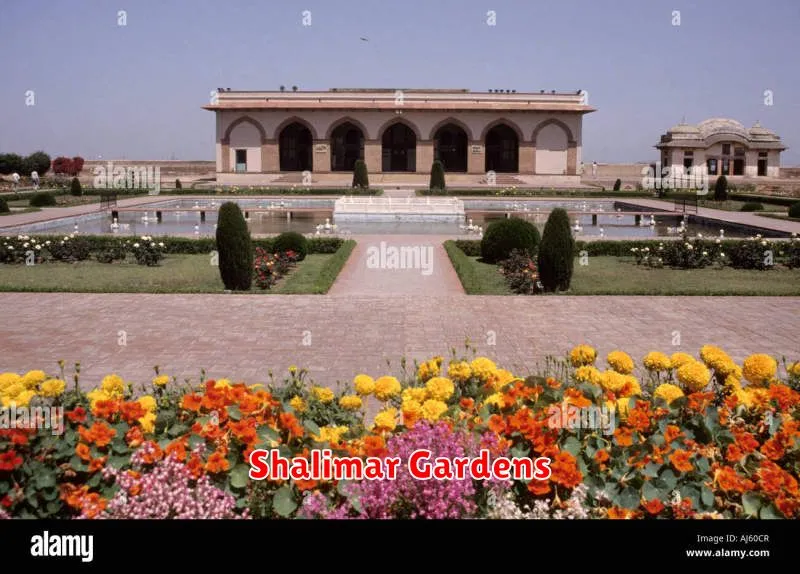
Located in the heart of Lahore, the Shalimar Gardens is a magnificent site that showcases the grandeur and elegance of the Mughal era. Constructed in 1642 during the reign of Emperor Shah Jahan, this UNESCO World Heritage Site is an exquisite example of Persian-style garden layout. The gardens were designed to mimic the Islamic concept of paradise, seen through its meticulous symmetry and breathtaking beauty.
The Architectural Masterpiece
The Shalimar Gardens are renowned for their intricate terraced design divided into three distinct levels, known as Hayat Baksh, Faiz Baksh, and Farah Baksh. Each terrace is higher than the previous one and was used for different purposes, such as relaxation and entertainment for the royalty. The gardens boast of 410 fountains, creating a harmonious symphony of water, a hallmark of Mughal landscaping.
The gardens are also adorned with an array of flora, marble pavilions, and elaborate walkways that speak volumes of the ingenuity and craftsmanship of the architects behind this splendid landmark. Visitors are left mesmerized by the spectacular reflection of these structures in the water channels that crisscross the gardens.
Visiting Shalimar Gardens
Open to the public year-round, the Shalimar Gardens offers an escape from the bustling city life. Whether you are taking a leisurely stroll through the perfectly maintained gardens or indulging in a session of photography, this site provides an unparalleled aesthetic experience. The gardens are not only a highlight for tourists but also a cherished place for locals who come to find solace amidst nature’s beauty.
As you visit Shalimar Gardens, you will surely appreciate the artistic merge of nature and architecture encapsulated in this timeless masterpiece.
Mohenjo-daro
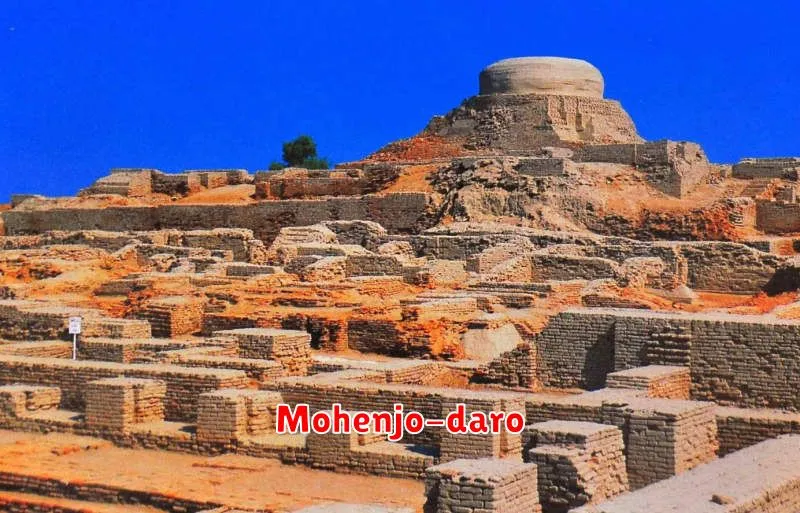
Among the historic wonders of Pakistan, Mohenjo-daro stands as a magnificent testament to one of the world’s earliest urban civilizations. Located in the province of Sindh, this archaeological site is an ancient city of the Indus Valley Civilization, dating back to around 2500 BCE.
The Ancient City
Mohenjo-daro, meaning “Mound of the Dead Men” in Sindhi, offers a glimpse into a highly advanced ancient society. As you explore, imagine a bustling city with an organized street grid, sophisticated water management systems, and remarkable architecture. Walking through the ruins, visitors often find themselves reflecting on the ingenuity of early inhabitants.
Recognized as a UNESCO World Heritage Site in 1980, Mohenjo-daro continues to be a site of significant archaeological interest. The layout of the city and the technologies employed are subject to extensive study, offering insight into human innovation in the Bronze Age.
Key Features
- The Great Bath – Considered one of the earliest public water tanks in the ancient world, The Great Bath is an engineering marvel.
- Granary – A massive structure that indicates a highly organized system of agriculture and food storage.
- Residential Blocks – The ruins of well-laid residential areas suggest advanced urban planning.
Modern-day visitors to Mohenjo-daro have the unique opportunity to walk through history, immersing themselves in the remnants of a civilization that boasted technological excellence long before our current era. This surreal experience reminds us of the deep and rich heritage that Pakistan holds within its borders, beyond just the natural beauty of its northern regions.
