

Losing your luggage can be a nightmare, turning a dream vacation into a stressful ordeal. Navigating the complexities of lost luggage claims, understanding your passenger rights, and knowing the right steps to take can be overwhelming. This comprehensive guide provides you with expert advice on how to handle lost luggage like a pro, equipping you with the knowledge and tools to effectively recover your baggage and minimize disruption to your travels.
From the moment you realize your baggage is missing at the baggage carousel to the potential need to file a lost luggage claim, we’ll cover every aspect of this frustrating experience. Learn how to proactively prevent lost luggage, take the right immediate actions at the airport, and effectively communicate with airline representatives. We’ll also delve into the intricacies of delayed baggage, damaged luggage, and the processes for baggage tracing and reimbursement. Empower yourself with the information you need to handle lost luggage confidently and efficiently.
What to Do Immediately After a Loss
Experiencing a loss is incredibly difficult, and navigating the immediate aftermath can feel overwhelming. It’s important to prioritize your well-being and take necessary steps. First, ensure your safety and security. This may involve contacting emergency services if needed or finding a safe place to stay if your home is affected. Next, notify close family and friends to establish a support system. Having loved ones around you can provide comfort and practical assistance during this challenging time.
Dealing with practical matters is often unavoidable. Depending on the nature of the loss, you may need to contact relevant authorities, such as law enforcement, insurance companies, or government agencies. Gather important documents, like identification, insurance policies, and any other relevant paperwork. If necessary, consult with legal professionals regarding estate matters, wills, and other legal considerations. Remember to prioritize essential tasks and allow yourself time to grieve, understanding that addressing all matters immediately may not be feasible.
Taking care of your emotional well-being is crucial during this period. Allow yourself to grieve and process the loss in your own way. Seek emotional support from friends, family, support groups, or mental health professionals. Remember that grief manifests differently for everyone, and there is no right or wrong way to feel. Be patient with yourself and prioritize self-care activities, such as proper rest, nutrition, and gentle exercise, to cope with the emotional and physical toll of loss.
Filing a Baggage Claim Correctly

If your baggage is delayed or damaged upon arrival, it’s crucial to file a claim immediately. Locate the airline’s baggage service office, usually near the baggage claim area. Be prepared to provide your baggage claim tags, flight information, and a description of your bag. A baggage claim form will be provided for you to complete, detailing the nature of the damage or the delayed status. Provide a current address and contact information where you can be reached. Keep copies of all documentation, including the completed claim form, baggage tags, and your flight ticket.
Be as specific as possible when describing your missing or damaged bag. Note the brand, color, size, and any distinguishing features. If your bag was damaged, describe the damage thoroughly. If items inside were damaged, list them individually and estimate their value. The airline may require receipts for valuable items. It’s important to be accurate and honest when filing your claim.
After filing your claim, you’ll receive a file reference number. Keep this number for future reference and use it when contacting the airline to inquire about the status of your claim. The airline will investigate the issue and contact you with updates. Understand that the investigation process can take time. Airlines have specific policies and procedures regarding lost and damaged baggage, so familiarize yourself with these policies on the airline’s website.
Tracking Tools That Help
Tracking tools provide valuable insights into various aspects of business and personal life. From monitoring website traffic and social media engagement to managing projects and personal finances, these tools offer a way to collect, analyze, and interpret data. This information can then be used to make informed decisions, improve performance, and achieve specific goals. Understanding the different types of tracking tools available and their specific functionalities is crucial for selecting the right tool for your needs.
For businesses, tracking tools can help optimize marketing campaigns, understand customer behavior, and improve overall operational efficiency. Website analytics tools track website traffic, bounce rates, and conversion rates. Social media analytics tools measure engagement, reach, and sentiment. Project management tools track progress, deadlines, and resource allocation. These are just a few examples of how tracking tools can benefit businesses.
Individuals can also benefit from using tracking tools. Fitness trackers monitor activity levels and sleep patterns. Budgeting apps track spending and savings. Time management tools track how time is spent throughout the day. These tools can help individuals make positive changes to their habits and achieve personal goals.
What Airlines Are Required to Cover
Airlines are obligated to uphold passenger rights as outlined in various regulations, notably the U.S. Department of Transportation (DOT) rules. These regulations primarily address situations involving flight delays, cancellations, and denied boarding (being “bumped”). In such cases, airlines bear responsibility for providing passengers with accurate information about their rights and offering reasonable assistance. This assistance may include meals, accommodation, and rebooking options, especially when disruptions are within the airline’s control. However, it’s important to note that airlines are generally not required to compensate passengers for consequential damages, such as missed business opportunities or connecting travel arrangements, particularly if the disruption results from factors outside their control, like weather or air traffic control issues.
Regarding baggage, airlines are responsible for lost, damaged, or delayed checked baggage up to a certain limit. The specific liability limits are subject to international and domestic regulations. Airlines are also required to maintain policies for handling baggage complaints and provide passengers with information on how to file a claim. For carry-on baggage, while airlines typically offer reasonable assistance if lost or damaged due to their negligence, their liability is generally more limited than for checked bags, emphasizing the importance of passengers taking precautions with valuable or essential items.
Crucially, airlines are required to adhere to safety regulations enforced by the Federal Aviation Administration (FAA). This includes maintaining aircraft, training crew members, and ensuring overall safe operations. Passenger safety is paramount, and airlines must provide a safe travel environment. While airlines are not obligated to provide specific amenities beyond safety and regulatory requirements, many offer additional services to enhance passenger comfort and experience. These are considered optional and are not mandated by law.
Packing Essentials in Carry-On
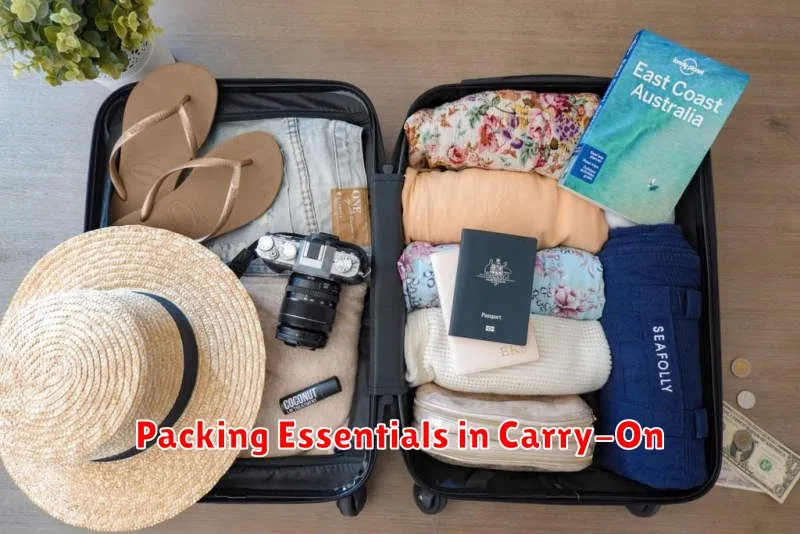
Traveling light with just a carry-on bag offers ultimate flexibility and convenience. Start with the essentials: travel documents (passport, ID, boarding pass), medications, any valuables (jewelry, electronics), and a phone charger. These are your must-haves that should always be within easy reach.
Next, consider versatile clothing items. Pack neutral-colored pieces that can be mixed and matched to create multiple outfits. Choose fabrics that are wrinkle-resistant and quick-drying. Don’t forget essential toiletries in travel-sized containers, keeping in mind TSA regulations for liquids.
Finally, think about a few comfort items to make your journey more enjoyable. A small travel pillow, eye mask, and earplugs can be lifesavers on long flights. A lightweight reusable water bottle is also crucial for staying hydrated on the go. Remember, efficient packing is about prioritizing the truly necessary items and maximizing their use.
How to Speed Up Resolution Time
Resolution time is a critical metric for customer service and incident management. Reducing it leads to increased customer satisfaction and improved operational efficiency. To accelerate resolution times, focus on clear communication, efficient processes, and proactive problem solving. Ensure agents have the necessary resources and training to address issues effectively.
Effective triage is key. Quickly identify the nature and severity of the issue, then route it to the appropriate team or individual. Establish clear escalation paths to ensure complex problems are handled by those with the expertise to solve them promptly. Knowledge management systems can also significantly reduce resolution time by providing agents with readily accessible information and solutions to common problems.
Finally, regularly analyze resolution data to identify trends and areas for improvement. Look for bottlenecks in your processes, common issue types, and areas where agent training can be enhanced. By continuously monitoring and refining your approach, you can consistently improve resolution time and deliver a better experience for your customers.
Getting Compensation from Travel Insurance
Filing a travel insurance claim can seem daunting, but understanding the process and being prepared can make it smoother. First, contact your insurance provider as soon as possible after the covered incident occurs. This is crucial, as many policies have strict deadlines for reporting. Gather all necessary supporting documentation. This typically includes your policy details, your trip itinerary, receipts for expenses incurred, and any documentation related to the incident, such as medical reports, police reports, or cancellation confirmations. Clearly explain the situation and how it relates to your coverage, highlighting the specific expenses you’re seeking reimbursement for.
Your provider will guide you through their specific claims process, which may involve completing claim forms and submitting documentation online or via mail. Keep records of all communication with your insurance company, including emails, letters, and phone call notes. This will be helpful if any discrepancies arise later. Be prepared to answer questions about your claim and provide additional information if requested. The review process can take time, so be patient. Your provider will assess your claim based on the terms and conditions of your policy.
Once the review is complete, your provider will inform you of their decision. If your claim is approved, you will receive your compensation according to the terms of your policy. If your claim is denied, don’t give up immediately. Carefully review the denial letter and understand the reason for the denial. If you believe the denial is unjustified, you may have options to appeal the decision, often by providing additional supporting evidence. Contact your provider to understand their appeals process.
